
x


迅速な制作と多彩な仕上げオプションを備えた、ミュージアムクオリティのジークレーまたはキャンバスプリント。 ( 手描きの絵画を購入 画像を購入)





























作品のオリジナル比率に合わせた、当店の規定サイズからお選びください。

特定のフレームやスペースに合わせて、ご自身でサイズを指定することも可能です。選択されたサイズが元の画像の比率と一致しない場合、作品をトリミングするか、鏡面反射または単色での塗りつぶしによって画像を拡張いたします。制作を開始する前に、ご確認用のデジタルモックアップをお送りいたします。
画面上のプレビューには、実際のトリミングや拡張は反映されませんのでご注意ください。最終的な構図を正確に確認できるのは、モックアップのみとなります。
カスタムサイズも承っておりますが、元の比率を維持するためには、あらかじめ用意されたリストからサイズを選択することをお勧めいたします。

Perspective View (Stage design)
複製画のサイズ
Canaletto’s “Perspective View (Stage Design)” is more than just a depiction of a bustling scene; it's a window into the vibrant theatrical culture of 18th-century Venice. Painted likely in the early 1720s, this capriccio – a term Canaletto himself employed for imaginary or idealized views – transports us to a fantastical Capitol, glimpsed through a grand loggia adorned with Corinthian columns and shimmering with golden ornamentation. The composition is anchored by an equestrian monument, reminiscent of Marcus Aurelius, rising majestically from the steps of a triumphal arch, creating a powerful sense of grandeur and historical resonance.
The painting’s genius lies not merely in its technical precision but also in its evocative atmosphere. Canaletto masterfully employs linear perspective to draw the viewer into this meticulously rendered space. The receding lines of the loggia, the diminishing scale of the statues, and the subtle shifts in light create a convincing illusion of depth, inviting us to step through the painted world and become part of the scene. Notice how he uses atmospheric perspective – distant elements are paler and less defined, contributing to the overall sense of vastness and theatrical spectacle.
Giovanni Antonio Canal, known as Canaletto, was a pivotal figure in the development of topographical painting. Born in Venice in 1697, he initially trained under his father, Bernardo Canal, a stage designer for theatrical productions. This early experience instilled in him a deep understanding of perspective and spatial relationships – skills that would later define his remarkable career. Canaletto’s work was profoundly shaped by the bustling commercial activity of Venice, a city renowned for its trade and artistic patronage. He meticulously documented the city's canals, palaces, markets, and everyday life, creating a vast archive of visual records.
His approach differed significantly from earlier Venetian painters who focused primarily on religious or mythological subjects. Canaletto’s interest lay in capturing the tangible reality of Venice – its architecture, its people, and its atmosphere. This shift towards secular subject matter reflected a broader cultural trend during the 18th century, as artists increasingly sought to depict the world around them with greater accuracy and detail. The painting's attribution has been debated by scholars, but Stefano Susinno recognized it as a unique example in Canaletto’s oeuvre due to its drawing, points of light, and similarities to other capricci.
Beyond its technical brilliance, “Perspective View (Stage Design)” is rich in symbolic meaning. The equestrian monument, a reference to Roman emperors, suggests an ideal of leadership and power. The triumphal arch evokes the grandeur of ancient Rome, while the golden ornaments symbolize wealth and prestige. The inclusion of figures engaged in various activities – musicians, spectators, and performers – underscores the importance of theatre as a central element of Venetian society. It’s a scene brimming with life, energy, and the allure of entertainment.
Interestingly, scholars believe this painting may have been created shortly after Canaletto's stay in Rome (1718-1720), possibly inspired by the city’s ancient ruins and theatrical traditions. The presence of numerous architectural elements reminiscent of Roman antiquity suggests a deliberate attempt to evoke the spirit of the classical world.
“Perspective View (Stage Design)” stands as a testament to Canaletto's exceptional skill and artistic vision. It’s a captivating blend of realism, imagination, and theatricality – a painting that continues to delight and intrigue viewers centuries after its creation. Reproductions of this work offer a remarkable opportunity to experience the beauty and detail of Canaletto’s artistry in your own home or office, bringing a touch of Venetian elegance and historical grandeur to any space.

1697年10月18日、イタリアのヴェネツィアに生まれたジョヴァンニ・アントニオ・カナルートは、一般的に「カナルート」として知られる、18世紀を代表する風景画家の一人です。彼の父、ベルナルド・カナルートは舞台装置を描く画家であり、幼い頃から絵画の基礎を学びました。ヴェネツィアという水の都で育ったカナルートは、その独特な景観に魅せられ、生涯を通じてヴェネツィアの風景を描き続けました。
1718年、カナルートはローマへと旅立ちます。そこで彼はアレッサンドロ・スカルラッティのオペラの舞台装置制作に携わりました。この経験は彼の芸術的才能を大きく開花させ、ヴェネツィアに戻った後、独自の様式である「ヴェドゥータ」と呼ばれる風景画を描き始めました。ヴェドゥータとは、イタリア語で「眺め」を意味し、都市の風景や建物を正確かつ詳細に描写した絵画です。カナルートは、単なる記録ではなく、光と影の効果を巧みに利用し、ヴェネツィアの美しさを鮮やかに表現しました。
カナルートの作品の中でも特に有名なものに、「石工場の風景」(c. 1725)があります。この絵画は、彼の初期の才能を示す傑作であり、ヴェネツィアの日常生活を生き生きと描き出しています。また、「大運河のレガッタ」は、ヴェネツィアの公的な祭りを鮮やかに描写しており、その色彩と構図は見る者を魅了します。「ETON COLLEGE」(1746-1756)は、イギリスに滞在した際に描かれた作品であり、彼の国際的な名声が高まるきっかけとなりました。これらの作品を通してカナルートは、ヴェネツィアの風景を単なる絵画としてではなく、生きている都市の息吹として捉えようとしました。
カナルートの精密な遠近法と細部にわたる描写は、一部の専門家によってカメラ・オブスクラが使用された可能性も指摘されています。しかし、彼の最も重要な点は、構図のデザインに注力し、作品を単なる正確な記録ではなく、視覚的に美しいものにしたことです。彼は、ジョヴァンニ・パオロ・パンニーニのような画家から影響を受けましたが、独自のスタイルを確立し、18世紀のヨーロッパ美術界に大きな影響を与えました。特にイギリスでは、彼の風景画は非常に人気があり、多くの貴族やコレクターが彼の作品を購入しました。
カナルートの作品は、ロンドンのナショナル・ギャラリーをはじめとする世界中の美術館に所蔵されており、18世紀美術における彼の重要性を示しています。彼の遺産は、彼からインスピレーションを受けた多くの画家たちへと受け継がれました。ヴェネツィアの風景画の巨匠として、カナルートは今日もなお、多くの人々に愛され続けています。
世界のアートを探求するには、https://WahooArt.comをご覧ください。
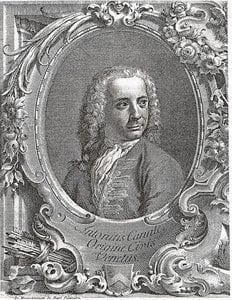
1697 - 1768 , イタリア
Elevate your home staging with premium, hand-painted art reproductions from WahooArt. Achieve luxury transformations in under 3 weeks with our express delivery service. Perfect for freelance decorators seeking museum-quality, ready-to-hang masterpieces that drive property value.

Discover how curated fine art transforms restaurants into immersive theatrical stages. Learn expert strategies for restaurateurs to elevate brand identity, influence diner emotion, and create unforgettable gastronomic experiences through masterful visual storytelling.

Transform your creative talent into a prestigious global brand. WahooArt offers art students the elite platform to sell museum-quality Giclée prints and hand-painted reproductions to collectors worldwide. Build your artistic legacy with our premium fulfillment and global marketplace.

世界中の名画を、あなたの邸宅へ。WahooArtは、熟練の画家による手描き油彩画の複製や、大切な記憶を芸術へと昇華させるカスタム肖像画を提供します。20年以上の歴史と確かな技術に裏打ちされた品質、そして100%満足保証。単なる装飾を超え、世代を超えて受け継がれる唯一無二の芸術的遺産(レガシー)を、世界中のコレクターへお届けします。
Explore the profound beauty of Roman architecture through art history. From Piranesi's evocative engravings to classical masterpieces, discover how the grandeur of ancient Rome continues to inspire collectors and art enthusiasts worldwide.


最新の美術ニュース、限定オファー、そしてインテリアのアイデアをいち早くお届けします。
お客様のプロジェクトについてお聞かせください。当社の美術専門家が、お客様に合わせた3つのパーソナライズされた芸術提案をご提供いたします。
あなたにぴったりの3作品を無料で厳選いたします


 プレビュー
プレビュー
 シェアする
シェアする シェアする
シェアする
 詳細を見る
詳細を見る

 ダウンロード
 似ている作品
 X線調査
X線調査 スライドショー

 詳細を見る
詳細を見る









 ガラスオプションは、110cm未満のサイズでのみご利用いただけます。


