
当社のアーティストが、お客様のご希望のサイズと額縁に合わせて、キャンバスに手描きで制作する油彩画です。 ( プリント版に切り替え デジタル画像販売へ切り替え)





























作品のオリジナル比率に合わせた、当店の規定サイズからお選びください。

特定のフレームやスペースに合わせて、ご希望のサイズをご入力いただけます。選択されたサイズが元の画像の比率と異なる場合、アートワークをトリミングするか、手描きで要素を追加して絵画を拡張いたします。デジタルモックアップ を制作し、制作開始前にご確認(承認)をいただきます。
画面上のプレビューは、実際のトリミングや拡張を正確に反映しているものではありません。最終的な構図は、モックアップによってのみ正確にご確認いただけます。
カスタムサイズもご利用いただけますが、元の比率を維持するためには、あらかじめ用意されたリストからサイズを選択することをお勧めいたします。

untitled (4738)
複製画のサイズ
In the hauntingly quiet realm of Giorgio de Chirico’s "Untitled (4738)", time appears to have surrendered to an eternal, breathless pause. Created during the transformative years between 1915 and 1920, this masterpiece serves as a profound gateway into the Metaphysical style—a precursor to Surrealism that seeks to reveal the uncanny truth hidden beneath the surface of reality. The painting presents us with an unsettlingly beautiful vision: a nude woman and a small, cherubic child standing within the hollowed silence of an empty plaza. As the viewer’s eye wanders through this dreamscape, they encounter the stark, unexpected presence of horses in the background and birds drifting through a sky that feels both vast and claustrophobically still. It is a composition that does not merely depict a scene, but rather evokes a state of being, inviting collectors and enthusiasts alike to lose themselves in its enigmatic depths.
The technical mastery of de Chirico is evident in the meticulous precision with which he renders every texture and shadow. Using oil on canvas, the artist employs a technique known as Spazio metafisico, or metaphysical space, to manipulate perspective in ways that defy conventional logic. There is a remarkable tactile quality to the work; one can almost feel the smooth, luminous sheen of the woman’s skin contrasted against the rugged, earthy coats of the horses. De Chirico utilizes long, dramatic shadows and an illogical sense of depth to create an architectural tension, making the empty courtyard feel simultaneously familiar and alien. For the interior designer or art lover, this ability to command space makes the piece a commanding focal point, capable of injecting a sense of intellectual mystery and sophisticated drama into any curated environment.
Beyond its striking visual elements, "Untitled (4738)" is deeply rooted in the heavy philosophical currents of the early 20th century. De Chirico was profoundly moved by the existentialist writings of Friedrich Nietzsche and the pessimism of Arthur Schopenhauer, themes that resonate through the very fabric of this canvas. The woman’s posture—shielding her eyes with her hands—suggests a profound introspection or perhaps a disorientation in the face of an incomprehensible world. This gesture of concealment, paired with the presence of the angelic child, creates a spiritual tension between vulnerability and divine contemplation. The horses and birds act as silent witnesses to this internal drama, bridging the gap between the classical antiquity of the figures and the modern alienation of the urban backdrop.
To possess or display a reproduction of such a work is to invite a conversation about memory, loss, and the fractured nature of the human psyche. The painting functions as an emotional mirror; its stillness can evoke peace in one viewer and a haunting sense of isolation in another. It is this profound emotional resonance that makes de Chirico’s work so enduringly relevant for contemporary spaces. Whether placed in a quiet study or a grand gallery, "Untitled (4738)" serves as a window into the subconscious, offering a sophisticated layer of narrative depth that transcends mere decoration, turning a room into a sanctuary for thought and reflection.


1888 - 1978 , ギリシャ

Elevate your collection with the tactile elegance of hand-painted oil masterpieces. From bespoke reproductions to custom portraits from photography, discover museum-quality artistry crafted by academy-trained experts for discerning collectors and designers worldwide.

Discover the profound allure of oil on canvas. Explore the mastery of impasto textures, the science of pigment longevity, and expert guides to selecting museum-quality reproductions that elevate your collection with timeless elegance and tactile depth.
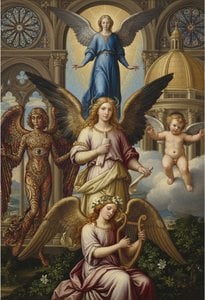
Explore the profound beauty of angelic figures in art history. From Renaissance masterpieces to celestial symbolism, our expert guide offers a sophisticated journey through the divine imagery of the Old Masters for discerning collectors and art enthusiasts.


 プレビュー
プレビュー
 シェアする
シェアする シェアする
シェアする
 詳細を見る
詳細を見る

 ダウンロード
 似ている作品
 X線調査
X線調査 スライドショー
 統計情報
統計情報

 詳細を見る
詳細を見る









 ガラスオプションは、110cm未満のサイズでのみご利用いただけます。


