
x































作品のオリジナル比率に合わせた、当店の規定サイズからお選びください。

特定のフレームやスペースに合わせて、ご希望のサイズをご入力いただけます。選択されたサイズが元の画像の比率と異なる場合、アートワークをトリミングするか、手描きで要素を追加して絵画を拡張いたします。デジタルモックアップ を制作し、制作開始前にご確認(承認)をいただきます。
画面上のプレビューは、実際のトリミングや拡張を正確に反映しているものではありません。最終的な構図は、モックアップによってのみ正確にご確認いただけます。
カスタムサイズもご利用いただけますが、元の比率を維持するためには、あらかじめ用意されたリストからサイズを選択することをお勧めいたします。

Self Portrait
複製画のサイズ
Giorgio de Chirico's "Self Portrait," painted in 1925, is not merely a depiction of an artist; it’s a meticulously crafted evocation of the anxieties and intellectual currents that defined the early years of the 20th century. The painting immediately arrests the viewer with its unsettling stillness – a man, impeccably dressed in a dark suit and tie, sits before a blank canvas, his gaze fixed directly upon us. This direct address is crucial; it establishes an immediate, almost confrontational relationship between the artist and the observer, mirroring the themes of alienation and psychological exploration that permeate de Chirico’s oeuvre.
To fully appreciate “Self Portrait,” one must understand the intellectual landscape in which it was created. De Chirico’s work is profoundly influenced by the philosophical ideas of his time, particularly those of Friedrich Nietzsche and Arthur Schopenhauer. The painting reflects a deep concern with themes of isolation, the illusion of reality, and the inherent absurdity of human existence. The blank canvas before him symbolizes the artist's attempt to capture these intangible concepts – a futile endeavor, perhaps, mirroring the philosophical anxieties of the era.
"Self Portrait" is more than just a beautiful painting; it’s a powerful meditation on the human condition. The unsettling atmosphere, combined with de Chirico's masterful technique, evokes a profound sense of unease and introspection. It invites us to confront our own anxieties about identity, reality, and the search for meaning in a world that often seems chaotic and absurd.


1888 - 1978 , ギリシャ

Discover the breathtaking allure of Art Deco. Explore the era's iconic geometry, legendary designers like Erté, and timeless glamour. Perfect for discerning collectors seeking to infuse their spaces with sophisticated modernist elegance and historical prestige.
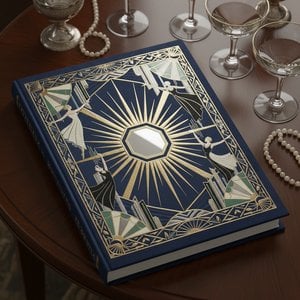
Discover the allure of Art Deco through a curated guide to its most iconic masterpieces. Explore the elegance of Erté and the innovation of Jean Dunand, perfect for collectors seeking timeless glamour and sophisticated design inspiration.

Explore the profound mystery of Metaphysical Art. Delve into the philosophical depths of Giorgio de Chirico’s dreamscapes and discover how this enigmatic movement redefined reality through unsettling beauty and classical symbolism.


最新の美術ニュース、限定オファー、そしてインテリアのアイデアをいち早くお届けします。
お客様のプロジェクトについてお聞かせください。当社の美術専門家が、お客様に合わせた3つのパーソナライズされた芸術提案をご提供いたします。
あなたにぴったりの3作品を無料で厳選いたします


 プレビュー
プレビュー
 プリントを購入
 シェアする
シェアする シェアする
シェアする
 詳細を見る
詳細を見る

 ダウンロード
 似ている作品
 X線調査
X線調査 スライドショー

 詳細を見る
詳細を見る









 ガラスオプションは、110cm未満のサイズでのみご利用いただけます。


