

 Oil On CanvasWallArtNeoclassicism
 1785
1785 76.0 x 64.0 cm
 National Trust
スピーディーな制作と多彩な仕上げオプションが魅力の、ミュージアムクオリティなジークレー・キャンバスプリント。 ( 手描きの複製画を注文する デジタル画像販売へ切り替え)





























作品のオリジナル比率に合わせた、当店の規定サイズからお選びください。

特定のフレームやスペースに合わせて、ご自身でサイズを指定することも可能です。選択されたサイズが元の画像の比率と一致しない場合、作品をトリミングするか、鏡面反射または単色での塗りつぶしによって画像を拡張いたします。制作を開始する前に、ご確認用のデジタルモックアップをお送りいたします。
画面上のプレビューには、実際のトリミングや拡張は反映されませんのでご注意ください。最終的な構図を正確に確認できるのは、モックアップのみとなります。
カスタムサイズも承っておりますが、元の比率を維持するためには、あらかじめ用意されたリストからサイズを選択することをお勧めいたします。

Thomas Robinson (1738–1786), 2nd Baron Grantham
複製画サイズ一覧
To stand before this portrait of Thomas Robinson, the 2nd Baron Grantham, is to step directly into the refined drawing rooms of late eighteenth-century England. Painted in 1785 by the masterful hand of Gilbert Stuart, the work transcends a mere likeness; it is a carefully constructed monument to status, intellect, and enduring masculine dignity. The subject gazes out with an unwavering directness that seems to challenge the viewer, inviting an immediate, intimate connection across the span of two centuries. Every element—from the crisp fall of his white hair and meticulously arranged wig to the tailored lines of his suit—speaks volumes about the sitter's elevated position within the social strata of the time.
Gilbert Stuart, celebrated for capturing the essence of his sitters, employed a technique that balances formal portraiture with startling psychological depth. The composition is dominated by the figure against a deep, velvety dark background. This dramatic use of chiaroscuro serves not only to isolate Robinson but also to heighten the luminosity of his face and the texture of his garments. Observe the brushwork: it is both remarkably detailed in rendering the fine strands of hair and the subtle sheen on the fabric, yet simultaneously loose enough to suggest life and movement rather than rigid formality. Stuart’s genius lies in making the portrait feel immediate, as if the man has paused momentarily for this very sitting.
The year 1785 places this work squarely within a period of immense cultural flux—the cusp between Georgian opulence and the burgeoning Enlightenment ideals. The subject’s attire, with its structured suit and formal neckwear, is emblematic of the landed gentry who navigated the shifting tides of political and social change. The wig itself, while adhering to contemporary fashion, functions as a powerful symbol of inherited rank and adherence to established societal codes. The direct gaze, therefore, becomes more than personal; it is a performance of belonging, a visual assertion of lineage and authority that collectors today find endlessly compelling.
For the contemporary admirer, this reproduction offers far more than just decorative appeal. It provides an anchor to history, allowing one to contemplate the weight of portraiture—the desire to be remembered, to be seen, and to be understood by posterity. The emotional impact is one of stately contemplation; it suggests narratives untold behind that steady gaze. Whether adorning a formal study or lending gravitas to a sophisticated salon, this piece captures an aura of timeless refinement. It is a wearable piece of history, inviting quiet reflection upon the passage of time and the enduring power of human character.


1755 - 1828 , アメリカ合衆国

Explore the captivating world of Thomas Stuart Smith (1815-1869), a Scottish painter bridging Romantic realism and British Impressionism. Discover his genre scenes, philanthropic legacy & stunning interiors.

大英博物館の至宝25選:歴史を彩る絵画、彫刻の世界へ。印象派から古代美術まで、名作の背景と芸術家の情熱に迫ります。WahooArtで高品質なアート複製やインテリアをお楽しみください。オンラインで全コレクションをご覧ください。
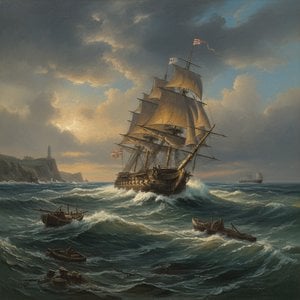
Explore the captivating world of Thomas Luny (1759–1837), a celebrated British marine artist. Discover his dramatic naval scenes, detailed ship portraits & lasting legacy. Learn about his life, influences & artworks.

Explore the life & art of John Gilbert, a prolific Victorian painter renowned for his captivating genre scenes and Venetian-inspired style. Discover his legacy with WahooArt.

Explore the life & work of Thomas Hudson, a leading 18th-century British portraitist. Discover his mastery of the 'Grand Manner,' influential style, and lasting impact on British art. Learn about his notable portraits like Judge William Noel & Alexander Van Aken.

 設置イメージを確認
 送る
送る シェア
シェア
 詳細情報
詳細情報 ガイドを表示

 画像をダウンロード
 似ている作品
 X線調査
X線調査 スライドショー
 統計情報
統計情報 続きを読む
続きを読む









 ガラスオプションは、110cm未満のサイズでのみご利用いただけます。


