
x


 Acrylic On CanvasWallArtRomanticism
 1795
1795 76.0 x 62.0 cm
 メトロポリタン美術館




























作品のオリジナル比率に合わせた、当店の規定サイズからお選びください。

特定のフレームやスペースに合わせて、ご希望のサイズをご入力いただけます。選択されたサイズが元の画像の比率と異なる場合、アートワークをトリミングするか、手描きで要素を追加して絵画を拡張いたします。デジタルモックアップ を制作し、制作開始前にご確認(承認)をいただきます。
画面上のプレビューは、実際のトリミングや拡張を正確に反映しているものではありません。最終的な構図は、モックアップによってのみ正確にご確認いただけます。
カスタムサイズもご利用いただけますが、元の比率を維持するためには、あらかじめ用意されたリストからサイズを選択することをお勧めいたします。

Joseph Anthony Jr.
複製画のサイズ
Gilbert Stuart Newton's "Joseph Anthony Jr." is more than just a portrait; it’s a carefully constructed tableau of 18th-century prosperity and quiet self-assurance. Painted in 1795, the artwork captures Joseph Anthony Jr., a native of Newport, Rhode Island, and a direct descendant of Gilbert Stuart, the renowned American portrait painter. Newton, apprenticed to his celebrated uncle, skillfully blends elements of English formal portraiture with a distinctly New England sensibility, creating an image that speaks volumes about its subject’s status and character.
The composition immediately draws the eye to Anthony's figure – a man radiating confidence despite a subtle air of thoughtful contemplation. He is depicted in a richly detailed suit of dark blue velvet, accented with gold embroidery, indicative of his family’s wealth and standing within Newport society. His posture is upright, shoulders squared, conveying an impression of authority and self-possession. The carefully arranged bow tie and the precise cut of his jacket speak to meticulous attention to detail – a hallmark of Newton's artistic approach. The subtle hint of red in his waistcoat adds a touch of warmth and vitality to the otherwise formal attire.
To fully appreciate “Joseph Anthony Jr.”, it’s crucial to understand the context of 18th-century Newport. The city was a thriving center for trade, shipping, and finance, fueled by the lucrative transatlantic commerce with Britain and France. Families like the Anthony's amassed considerable fortunes through maritime ventures, establishing themselves as prominent figures in the community. Newton’s portrait isn’t merely a likeness; it’s a visual representation of this social hierarchy and the values associated with it – respectability, industry, and familial lineage.
The background subtly reinforces this setting. The red curtains, reminiscent of a gentleman's drawing room, suggest an environment of refinement and leisure. While not explicitly depicted, one can almost imagine the sounds of conversation and music emanating from within, creating a sense of domestic comfort and social engagement. Newton’s use of light is masterful, illuminating Anthony’s face while casting gentle shadows that add depth and dimension to the scene.
Newton's style leans heavily toward English portraiture, particularly the work of Thomas Gainsborough and Sir Godfrey Kneller. He employs a meticulous technique, evident in the incredibly detailed rendering of Anthony’s clothing, the subtle play of light and shadow, and the precise brushstrokes that define every feature. The artist skillfully utilizes chiaroscuro – the dramatic contrast between light and dark – to sculpt Anthony's form and create a sense of three-dimensionality.
The painting is executed in oil on canvas, a medium favored by Newton for its ability to capture subtle nuances of color and texture. Newton’s attention to detail extends beyond mere representation; he imbues the portrait with a palpable sense of personality. Anthony's gaze, direct and unwavering, invites the viewer into his world, suggesting an intelligence and quiet dignity.
Beyond its surface appearance, “Joseph Anthony Jr.” is rich in symbolism. The man’s confident posture and carefully chosen attire represent a desire for social acceptance and recognition within Newport society. The subtle smile hints at contentment and self-satisfaction – a reflection of his family's success and his own position within it. Newton masterfully captures not just a likeness, but the essence of a man defined by his heritage and accomplishments.
Ultimately, “Joseph Anthony Jr.” is a testament to Newton’s skill as an artist and his ability to capture the spirit of a bygone era. It offers a captivating glimpse into the world of 18th-century Newport, inviting viewers to contemplate the values, aspirations, and social dynamics that shaped this vibrant community.


1795 - 1835

Transform your home with the profound beauty of Saint Anthony artworks. Explore exquisite Baroque reproductions by Murillo and Zurbarán, hand-painted on 100% cotton canvas to bring divine serenity and timeless elegance to your interior design.

Discover the captivating world of John Graham Gilbert, a Victorian master! Explore his portraits, genre scenes & illustrations. Learn about his influences, legacy & find high-quality reproductions at WahooArt.

Explore the life & art of John Gilbert, a prolific Victorian painter renowned for his captivating genre scenes and Venetian-inspired style. Discover his legacy with WahooArt.
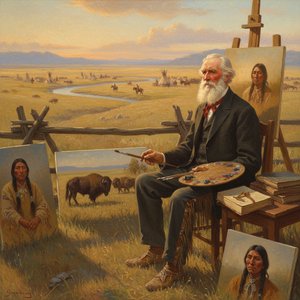
Explore the life & art of Joseph Henry Sharp, a founding member of the Taos Society of Artists renowned for his realistic depictions of Native American culture and Western landscapes. Discover his legacy with WahooArt.
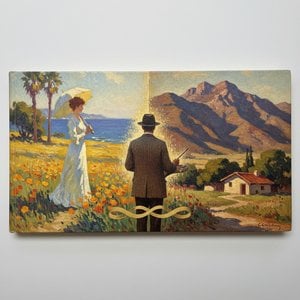
Explore the life & work of Joseph Kleitsch, a pivotal California Impressionist painter. Discover his vibrant landscapes, portraits, and legacy within the Laguna Beach art colony. A comprehensive study for collectors & enthusiasts.


最新の美術ニュース、限定オファー、そしてインテリアのアイデアをいち早くお届けします。
お客様のプロジェクトについてお聞かせください。当社の美術専門家が、お客様に合わせた3つのパーソナライズされた芸術提案をご提供いたします。
あなたにぴったりの3作品を無料で厳選いたします


 プレビュー
プレビュー
 プリントを購入
 シェアする
シェアする シェアする
シェアする
 詳細を見る
詳細を見る

 ダウンロード
 似ている作品
 X線調査
X線調査 スライドショー
 詳細を見る
詳細を見る









 ガラスオプションは、110cm未満のサイズでのみご利用いただけます。


