

スピーディーな制作と多彩な仕上げオプションが魅力の、ミュージアムクオリティなジークレー・キャンバスプリント。 ( 手描きの複製画を注文する デジタル画像販売へ切り替え)





























作品のオリジナル比率に合わせた、当店の規定サイズからお選びください。

額縁や壁のスペースに合わせて、ご希望の幅と高さを入力してください。プリントはカットすることは可能ですが、元の画像より大きくすることはできないため、異なる比率のサイズを選択された場合は、画像の一部が欠けることになります。印刷を開始する前に、内容を確認していただくためのデジタルモックアップをお送りいたします。このページに表示されている画像は、実際のカット後の状態を示すものではありません。実際の仕上がりはモックアップにてご確認ください。
Façade
複製画サイズ一覧
Giacomo della Porta’s “Façade,” conceived for the Chiesa del Gesù in Rome, stands as a pivotal moment in the evolution of Italian Baroque architecture. More than simply a building's exterior, it embodies the Counter-Reformation’s fervent desire to inspire awe and convey spiritual authority through meticulously crafted form and dramatic detail. Constructed between 1571 and 1575, this monumental façade isn’t merely decorative; it’s a carefully orchestrated dialogue between classical restraint and exuberant ornamentation – a testament to della Porta's mastery of balancing tradition with innovation.
The design immediately commands attention. The broad, symmetrical composition establishes a sense of stability and grandeur, reminiscent of Roman temples yet infused with the dynamism characteristic of the Baroque period. Della Porta deliberately moved away from the more restrained designs proposed by his predecessor, Giacomo Barozzi da Vignola, opting instead for a richer, more theatrical presentation. This shift reflects the broader artistic climate of Rome at the time – a city eager to assert its cultural dominance and reaffirm its commitment to faith following the Protestant Reformation.
At first glance, “Façade” appears rooted in classical principles. The use of paired pilasters, creating vertical emphasis and visual rhythm, echoes the architectural vocabulary of ancient Greece and Rome. The two-tiered pediments crowning the central portal and flanking niches are a direct reference to Roman triumphal arches, imbuing the façade with an air of imperial power. However, della Porta doesn’t simply replicate classical forms; he transforms them through a masterful deployment of detail and ornamentation.
Beyond its purely aesthetic qualities, “Façade” is laden with symbolic meaning. The overall design reflects the Jesuit order’s commitment to spreading Catholicism throughout Europe. The prominent placement of religious figures—St. Francis Xavier and St. Ignatius Loyola—serves as a constant reminder of the church's mission. The use of classical motifs – particularly the reference to Roman imperial power – subtly reinforces the legitimacy of papal authority in the face of Protestant challenges.
Furthermore, the façade’s dramatic lighting effects contribute significantly to its spiritual impact. The carefully positioned niches and windows create a play of light and shadow that intensifies the sense of drama and mystery. This theatrical approach was deliberately employed by della Porta to draw worshippers into the church and evoke a sense of awe and reverence.
“Façade” remains one of Giacomo della Porta’s most celebrated works, exemplifying his unique synthesis of classical restraint and Baroque exuberance. It stands as a powerful symbol of Rome's artistic vitality during the Counter-Reformation, demonstrating how architecture could be used to communicate religious faith and assert cultural dominance. Today, it continues to inspire admiration for its masterful design, intricate detail, and profound symbolic meaning – a timeless testament to the enduring power of Baroque art.
Giacomo Della Porta作「Façade」に描かれているもの:architecture, baroque, facade, italy, sculpture, rome, emblem
Giacomo Della Porta作「Façade」は、その情緒においてCalmと表現されます。この分類は、作品を空間やシーンに合わせる際の手助けとなります。
Giacomo Della Porta作「Façade」のSquare形式は、Living Roomに飾る際におすすめです。作品の形式と空間の調和が、複製画を配置する際の指針となります。


1533 - 1602 , Italy

バロック美術の華!カラヴァッジョ、ベルニーニら巨匠が創り上げた10大名作を徹底解剖。ドラマチックな色彩と豪華絢爛の世界観に触れ、至宝のアートプリントで空間を彩ろう。WahooArt.comで美術館品質の複製と洗練されたインテリアを見つけましょう!
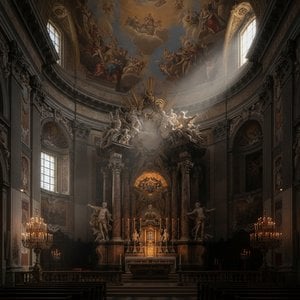
Immerse yourself in the dramatic splendor of Baroque art. Explore the profound impact of light, shadow, and the Counter-Reformation through an expert historical lens, celebrating the masters who defined an era of unparalleled grandeur and emotional intensity.
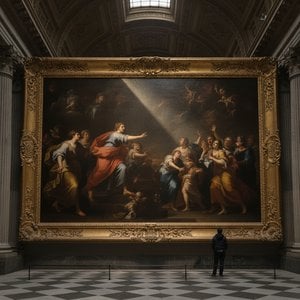
Explore the dramatic power of Baroque art through an expert guide to light, shadow, and emotion. Discover how the Counter-Reformation shaped 17th-century masterpieces and learn about the profound techniques used by the Old Masters to inspire awe.

Explore the dramatic world of Baroque art! Discover iconic artists like Caravaggio & Rubens, defining techniques, and its lasting impact on art history. Expert insights for collectors & enthusiasts at WahooArt.

バロック様式の歴史、絵画、家具の魅力をご紹介。WahooArtでは、高品質な油絵複製やカスタムポートレートをご提供し、現代のインテリアに壮麗さと情感を取り入れます。アートコンサルテーションも承ります。

 設置イメージを確認
 送る
送る シェア
シェア
 詳細情報
詳細情報 ガイドを表示

 画像をダウンロード
 似ている作品
 X線調査
X線調査 スライドショー
 統計情報
統計情報


 続きを読む
続きを読む









 ガラスオプションは、110cm未満のサイズでのみご利用いただけます。


