

 Acrylic On CanvasWallArtContemporary Realism
 1996Contemporary
 51.0 x 46.0 cm
このページに掲載されている作品は著作権法によって保護されており、当社の許可なく同一の複製物を制作または販売することは法律で禁じられています。この保護は、以下のような国際条約に基づき執行されます。 ベルヌ条約 および、以下の条項に定められたものを含む各国の法律により、 米国著作権法 第17編。
この手法は、著作権で保護された作品の複製や複写を伴わないため、著作権法に完全に準拠しています。これは単なる模倣ではなく、創造的な再解釈です。元の作品からインスピレーションを受けつつも、それとは異なる、全く新しい絵画を生み出すものです。
スピーディーな制作と多彩な仕上げオプションが魅力の、ミュージアムクオリティなジークレー・キャンバスプリント。 ( 手描きの複製画を注文する デジタル画像販売へ切り替え)





























作品のオリジナル比率に合わせた、当店の規定サイズからお選びください。

額縁や壁のスペースに合わせて、ご希望の幅と高さを入力してください。プリントはカットすることは可能ですが、元の画像より大きくすることはできないため、異なる比率のサイズを選択された場合は、画像の一部が欠けることになります。印刷を開始する前に、内容を確認していただくためのデジタルモックアップをお送りいたします。このページに表示されている画像は、実際のカット後の状態を示すものではありません。実際の仕上がりはモックアップにてご確認ください。
Self-portrait
複製画サイズ一覧
Gerhard Richter's 1996 self-portrait is not merely a depiction of a man; it’s an embodiment of the anxieties and ambiguities that defined much of his oeuvre. This particular work, rendered in oil on linen and measuring a modest 51 x 46 cm, feels both intensely personal and profoundly detached, mirroring the artist's own complex relationship with representation and memory. The photograph itself – blurry, almost indistinct – immediately establishes an atmosphere of uncertainty. Richter deliberately obscures sharp detail, employing a technique he would later famously refine into his ‘photo-paintings,’ where he layers photographic images onto canvas, manipulating their source material to create works that are simultaneously familiar and unsettling. The subject, a man in a white shirt and tie, appears almost lost within the haze, his eyes holding a serious, contemplative gaze – a gaze that seems to question not just the viewer, but perhaps also himself.
To fully appreciate this self-portrait, it's crucial to understand the formative experiences that shaped Gerhard Richter’s artistic vision. Born in Dresden in 1932, his childhood unfolded during a period of immense upheaval – the rise of Nazism and subsequent displacement. His family moved repeatedly throughout the war years, an experience that instilled within him a deep-seated sense of instability and a questioning spirit. This early exposure to political turmoil and social disruption profoundly influenced his later work, often characterized by a deliberate ambiguity and a refusal to offer definitive answers. Richter’s father, a schoolteacher navigating the complexities of life under authoritarian rule, and his mother, fostering a love for literature and music within their home, created a duality – a pragmatic acceptance of circumstance alongside a yearning for cultural expression—a tension that would become a recurring theme in his art. The landscapes of Reichenau and Waltersdorf, initially idyllic, were irrevocably altered by conflict, leaving an indelible mark on his psyche.
Richter's approach to painting is notoriously complex. He doesn’t simply replicate what he sees; instead, he engages in a process of layering and manipulation. This self-portrait exemplifies his signature technique – the ‘photo-painting.’ He begins with photographic images, often sourced from newspapers or magazines, which he then applies to canvas using thin layers of oil paint. The resulting surface is not smooth and polished but rather textured and fragmented, creating an illusion of reality that is simultaneously present and absent. The blur in this particular portrait isn’t a flaw; it's a deliberate choice, intensifying the sense of detachment and inviting the viewer to actively participate in constructing meaning. The subtle shifts in color and tone suggest movement and change, mirroring the instability inherent in memory and experience.
While Richter’s work often resists straightforward interpretation, this self-portrait offers a glimpse into the artist's internal landscape. The man’s serious expression suggests introspection and perhaps even melancholy. The blurred features contribute to a sense of anonymity, transforming the portrait from a simple likeness into a meditation on identity and perception. It’s not a triumphant declaration of self but rather a quiet acknowledgment of one’s place within the world – a recognition of uncertainty and the difficulty of capturing a definitive truth. The photograph's lack of background further emphasizes this feeling of isolation, drawing all attention to the subject himself. Ultimately, Richter’s ‘Self-Portrait’ is a powerful reminder that art can be more than just representation; it can be an exploration of the complexities of human experience and the elusive nature of reality.
Further Information: Explore Gerhard Richter's work at The Metropolitan Museum of Art or delve deeper into his artistic journey on Wikipedia.
ゲルハルト・リヒター作「Self-portrait」の複製画をプレビューするには、作品のプレビューページを開いてください。
ゲルハルト・リヒター作「Self-portrait」の記録されている寸法は51 x 46 cmです。複製画は、同じ比率を維持したまま他のサイズで注文することが可能です。
Contemporary Realism運動において、「Self-portrait」はIconicの知名度を誇ります。

1932 - , ドイツ

Explore the profound evolution of contemporary photography through a connoisseur's lens. From monochrome mastery to digital innovation, discover how modern photographic works shape fine art collections and define our cultural legacy.

Explore the profound artistry of black and white photography. From historical mastery to the interplay of light and shadow, discover how monochrome captures timeless emotion and form through a sophisticated lens of art history.
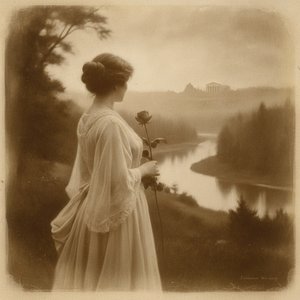
Explore the profound history of Pictorialism, the revolutionary movement that elevated photography to a fine art. Uncover how visionaries used painterly techniques and soft focus to transcend mere documentation, imbuing the lens with the emotional depth of classical masterpieces.

Explore the profound evolution of documentary photography through a cultural lens. From early social realism to modern visual narratives, discover how photographers have captured history, labor, and the human condition to redefine fine art.

 設置イメージを確認
 送る
送る シェア
シェア
 詳細情報
詳細情報 ガイドを表示

 画像をダウンロード
 似ている作品
 X線調査
X線調査 スライドショー
 統計情報
統計情報 続きを読む
続きを読む









 ガラスオプションは、110cm未満のサイズでのみご利用いただけます。


