A Masterpiece of Dramatic Light and Shadow: Gerard van Honthorst’s Susanna and the Elders
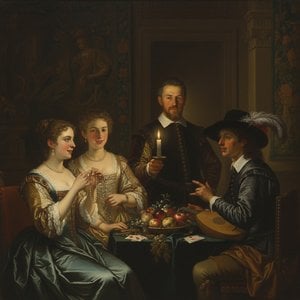
Gerard van Honthorst emerged from Utrecht in 1592, a pivotal figure poised to illuminate the Dutch Golden Age with his dramatic artistry. Initially guided by his father, a decorative painter, young Gerard’s talent blossomed under the tutelage of Abraham Bloemaert, establishing a solid foundation in draftsmanship and composition. However, it was a transformative journey to Rome that irrevocably altered the course of his artistic development. There, amidst the fervent energy of the Italian Baroque, he encountered the groundbreaking work of Caravaggio – an encounter that would define his signature style and earn him the evocative nickname “Gherardo delle Notti,” or Gerard of the Nights. The dramatic use of tenebrism, a technique employing stark contrasts between light and dark, became Honthorst’s hallmark, imbuing his canvases with a palpable sense of drama and emotional intensity. He wasn't merely imitating Caravaggi; he absorbed Caravaggio’s revolutionary approach to portraying human emotion and psychological complexity, adapting it to the conventions of Dutch portraiture. This fusion resulted in an unparalleled ability to capture fleeting expressions and convey profound narratives within meticulously crafted compositions.
- Subject Matter: The painting depicts a biblical episode – Susanna and the Elders – recounting the tale of a woman falsely accused of adultery by two men who attempted to seduce her.
- Style: Honthorst’s work firmly resides within the Baroque style, characterized by grandeur, theatricality, and an emphasis on emotional impact.
- Technique: He skillfully employed tenebrism, Caravaggio's signature technique, creating a dramatic chiaroscuro effect that highlights key figures and amplifies the tension of the scene. The meticulous layering of paint—particularly in capturing skin tones and drapery folds—demonstrates exceptional draughtsmanship.
Historical Context: Rome and the Influence of Caravaggio
Honthorst’s formative years in Rome were instrumental in shaping his artistic vision. Witnessing Caravaggio's revolutionary approach to painting – prioritizing realism, emotional intensity, and dramatic lighting – profoundly impacted him. Caravaggio shattered traditional conventions by rejecting idealized depictions and favoring unflinching portrayals of human experience, capturing moments of vulnerability and psychological struggle with unprecedented honesty. Honthorst embraced this ethos, adapting Caravaggio’s techniques to the Dutch aesthetic while retaining his own distinctive flair for theatrical presentation. This encounter cemented his reputation as “Gherardo delle Notti,” reflecting his mastery of manipulating light and shadow to evoke powerful emotions in the viewer.
- Caravaggio's Impact: Honthorst’s artistic sensibilities were fundamentally altered by Caravaggio’s rejection of idealized beauty and embrace of dramatic realism.
- Roman Patronage: Cardinal Scipione Borghese, a prominent patron of the arts, commissioned numerous works from Honthorst during his Roman period, furthering his artistic development and establishing him as a leading figure in the Baroque movement.
Symbolism and Emotional Resonance
The painting transcends its biblical narrative to explore themes of innocence versus corruption, vulnerability versus deceit, and moral fortitude against manipulative pressure. Susanna’s unwavering refusal to succumb to temptation embodies virtue and resilience—a powerful message conveyed through Honthorst's masterful use of light and shadow. The Elders’ attempts to seduce Susanna represent the dangers of lust and ambition, highlighting the importance of ethical conduct. Furthermore, the dramatic composition itself contributes to the emotional impact of the artwork, drawing viewers into the scene and eliciting contemplation on themes of justice and righteousness. Honthorst's ability to convey complex psychological states through subtle gestures and facial expressions underscores his artistic genius.
Legacy and Reproduction
Gerard van Honthorst’s “Susanna and the Elders” remains a celebrated masterpiece, admired for its technical brilliance and profound emotional depth. Reproductions of this iconic artwork offer collectors and interior designers alike an opportunity to experience the grandeur and drama of Baroque painting in their homes. WahooArt.com presents high-quality reproductions that faithfully capture the original’s luminous palette and intricate detail—allowing admirers worldwide to appreciate the enduring beauty and artistic significance of Honthorst's seminal work.