Oil On CanvasWallArtDutch Baroque Painting
 1665
1665 29.0 x 24.0 cm
 エルミタージュ美術館
当社のアーティストが、お客様のご希望のサイズと額縁に合わせて、キャンバスに手描きで制作する油彩画です。 ( プリント版に切り替え デジタル画像販売へ切り替え)





























作品のオリジナル比率に合わせた、当店の規定サイズからお選びください。

特定のフレームやスペースに合わせて、ご希望のサイズをご入力いただけます。選択されたサイズが元の画像の比率と異なる場合、アートワークをトリミングするか、手描きで要素を追加して絵画を拡張いたします。デジタルモックアップ を制作し、制作開始前にご確認(承認)をいただきます。
画面上のプレビューは、実際のトリミングや拡張を正確に反映しているものではありません。最終的な構図は、モックアップによってのみ正確にご確認いただけます。
カスタムサイズもご利用いただけますが、元の比率を維持するためには、あらかじめ用意されたリストからサイズを選択することをお勧めいたします。

The Violinist
複製画のサイズ
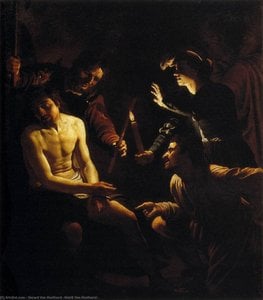
Gerard ter Borch’s “The Violinist,” painted circa 1665, stands as a quintessential example of Dutch genre painting during its golden age—a period characterized by meticulous observation of everyday life and an unparalleled mastery of light and texture. More than just a portrait, it's a carefully crafted tableau that invites contemplation on human emotion and artistic skill.
Captured in the Baroque style, Terborch’s technique is remarkable for its realism. He eschewed grand theatrical gestures, opting instead for a quiet scene focused on a single figure—a man seated at a table with two cups and bowls—engaged in playing the violin. The artist's meticulous attention to detail is evident in every brushstroke; observe how light dances across the varnished surface of the violin, illuminating its contours and creating an illusion of depth that transcends mere representation.
The painting emerged during a time when Dutch society was grappling with intellectual currents influenced by the Enlightenment. Terborch’s work reflects this shift towards rationalism while simultaneously retaining elements of traditional artistic conventions. Unlike earlier portraits that prioritized status and lineage, “The Violinist” delves into psychological nuance—the violinist's gaze is direct, conveying both concentration and perhaps a hint of melancholy. This focus on inner experience aligns with the broader humanist spirit of the era.
Music held profound significance in seventeenth-century Dutch culture, symbolizing intellect, refinement, and spiritual contemplation. The violin itself serves as a potent emblem—a tool for artistic expression and a conduit to emotion. Its placement on the table alongside simple objects like cups and bowls underscores Terborch’s intention to portray not just an individual but also his inner world. The careful arrangement contributes to the overall sense of serenity and understated beauty.
Terborch's genius lies in his ability to convey fleeting emotions with remarkable precision. “The Violinist” isn’t about grand pronouncements; it’s about capturing a single, contemplative moment—a man absorbed in his craft. The artist skillfully utilizes chiaroscuro—the dramatic interplay of light and shadow—to heighten the emotional resonance of the scene. This technique draws viewers into the violinist's inner life, prompting reflection on themes of solitude, passion, and artistic devotion.


1617 - 1681 , オランダ

Explore the dramatic mastery of Dutch Baroque art. Discover how chiaroscuro and light define the Golden Age, from Rembrandt's shadows to maritime grandeur. Perfect for classic art enthusiasts seeking deep historical insight and inspiration.

Embark on a sophisticated journey through the Dutch Golden Age. Unveil the dramatic brilliance of Rembrandt’s chiaroscuro and the expressive landscapes of 17th-century masters in this authoritative exploration of light, shadow, and enduring artistic legacy.


 プレビュー
プレビュー
 シェアする
シェアする シェアする
シェアする
 詳細を見る
詳細を見る

 ダウンロード
 似ている作品
 X線調査
X線調査 スライドショー
 統計情報
統計情報 詳細を見る
詳細を見る









 ガラスオプションは、110cm未満のサイズでのみご利用いただけます。