

 Acrylic On CanvasWallArtDutch Golden Age
 70.0 x 54.0 cm
 エルミタージュ美術館
スピーディーな制作と多彩な仕上げオプションが魅力の、ミュージアムクオリティなジークレー・キャンバスプリント。 ( 手描きの複製画を注文する デジタル画像販売へ切り替え)





























作品のオリジナル比率に合わせた、当店の規定サイズからお選びください。

額縁や壁のスペースに合わせて、ご希望の幅と高さを入力してください。プリントはカットすることは可能ですが、元の画像より大きくすることはできないため、異なる比率のサイズを選択された場合は、画像の一部が欠けることになります。印刷を開始する前に、内容を確認していただくためのデジタルモックアップをお送りいたします。このページに表示されている画像は、実際のカット後の状態を示すものではありません。実際の仕上がりはモックアップにてご確認ください。
Messenger
複製画サイズ一覧
Gerard ter Borch's “Messenger,” housed in the prestigious Hermitage Museum in St. Petersburg, Russia, stands as a cornerstone of Dutch Golden Age genre painting—a movement that championed realism and nuanced observation of everyday life. Created around 1634, this oil on canvas masterpiece transcends mere depiction; it invites contemplation about human interaction and unspoken emotions, capturing a moment frozen in time with remarkable precision.
The painting’s enduring appeal lies not only in its technical brilliance but also in its profound psychological insight. Ter Borch masterfully employs chiaroscuro—a dramatic interplay of light and dark—to sculpt the figures within the room, creating an atmosphere of quiet tension and fostering a sense of intimacy that draws viewers into the scene.
Ter Borch’s technique is characterized by meticulous attention to detail. He painstakingly renders textures—the folds of fabric, the sheen of polished surfaces—to achieve an astonishing level of realism. The subtle gradations of light illuminate faces and clothing, subtly conveying mood and emotion. This painstaking process exemplifies the artist's dedication to capturing the essence of his subject matter.
Furthermore, observe how Ter Borch utilizes perspective to create depth within the confined space of the room. The placement of objects—a framed portrait on the wall, a window letting in natural light—contributes to the overall composition and reinforces the narrative unfolding before our eyes.
“Messenger” emerged during a period marked by intellectual ferment and artistic innovation. Ter Borch’s work aligns with broader Renaissance ideals of humanist observation, prioritizing psychological realism over idealized representations. The painting reflects the fascination of its time with capturing inner states—the unspoken anxieties and vulnerabilities that lie beneath the surface of outward appearances.
Considered alongside other works by Ter Borch, such as “The Glass of Lemonade,” "Messenger" reveals a consistent commitment to portraying human experience with sensitivity and nuance. It serves as a testament to his artistic vision—a vision rooted in meticulous observation and imbued with an emotional resonance that continues to captivate audiences centuries later.
The central figures—a woman receiving a letter and a man attentively listening—represent more than just individuals engaged in conversation. The letter symbolizes communication, anticipation, and perhaps unwelcome news—themes that resonate with anxieties prevalent during Ter Borch’s era. Simultaneously, the portrait hanging on the wall serves as a visual anchor, prompting reflection on identity and social status.
Ultimately, “Messenger” is an exquisite example of Dutch Golden Age art—a painting that transcends its historical context to speak directly to our own understanding of human emotion and experience. Its captivating composition and masterful execution make it a timeless treasure, deserving of admiration and appreciation by collectors and connoisseurs alike.
「Messenger」にはgenre painting, light & shadow, domestic scene, conversation, letter reading, portraiture, interior detailが描かれており、その情緒はDramaticと表現されています。
ゲラルト・テル・ボルホ作「Messenger」の主色(メインカラー)はPhthalo Green (#231715)です。
「Messenger」を手がけたアーティストはゲラルト・テル・ボルホです。この作品はゲラルト・テル・ボルホの名でカタログに登録されています。


1617 - 1681 , オランダ

オランダ黄金時代の10大傑作を紐解く!レンブラント、フェルメール…バロック絵画の魅力と時代背景を深く探求。WahooArtで、至高のアートコレクションと空間演出のヒントを見つけよう。高品質なアートプリントで、お部屋を華やかに。

Explore the Dutch Golden Age of painting! Discover key artists like Vermeer & ter Borch, their innovative techniques, and the rich cultural context behind these Baroque masterpieces. Learn about collecting & appreciating this iconic art period.
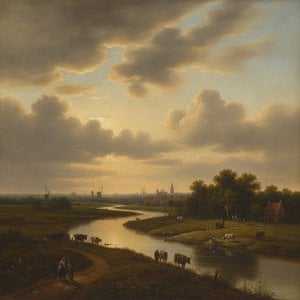
Discover the breathtaking beauty of Dutch Golden Age landscapes. Explore the mastery of light, chiaroscuro, and 17th-century realism through an expert art history lens, celebrating the enduring legacy of the Dutch Masters for discerning collectors and art lovers.

Embark on a cultural journey through the Dutch Golden Age. Explore the masterful interplay of light and shadow in 17th-century masterpieces, from Rembrandt to Vermeer, and discover how this era of profound realism continues to inspire fine art collectors today.

Explore the captivating world of Gerard ter Borch, a master of Dutch Golden Age genre painting. Discover his intimate scenes, masterful light, and lasting influence on art history. Learn more at WahooArt.

 設置イメージを確認
 送る
送る シェア
シェア
 詳細情報
詳細情報 ガイドを表示

 画像をダウンロード
 似ている作品
 X線調査
X線調査 スライドショー
 Q&A
Q&A 統計情報
統計情報 続きを読む
続きを読む









 ガラスオプションは、110cm未満のサイズでのみご利用いただけます。


