Acrylic On CanvasWallArtBaroque Painting
 1675
1675 74.0 x 96.0 cm
 国立美術館 (Rijksmuseum)
迅速な制作と多彩な仕上げオプションを備えた、ミュージアムクオリティのジークレーまたはキャンバスプリント。 ( 手描きの絵画を購入 デジタル画像販売へ切り替え)





























作品のオリジナル比率に合わせた、当店の規定サイズからお選びください。

特定のフレームやスペースに合わせて、ご自身でサイズを指定することも可能です。選択されたサイズが元の画像の比率と一致しない場合、作品をトリミングするか、鏡面反射または単色での塗りつぶしによって画像を拡張いたします。制作を開始する前に、ご確認用のデジタルモックアップをお送りいたします。
画面上のプレビューには、実際のトリミングや拡張は反映されませんのでご注意ください。最終的な構図を正確に確認できるのは、モックアップのみとなります。
カスタムサイズも承っておりますが、元の比率を維持するためには、あらかじめ用意されたリストからサイズを選択することをお勧めいたします。

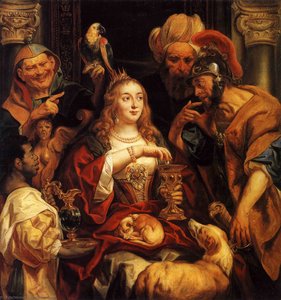
Cleopatra's Banquet
複製画のサイズ
Gérard de Lairesse’s “Cleopatra’s Banquet,” painted in 1675, isn't merely a depiction of a historical event; it’s a carefully constructed tableau of power, seduction, and opulent extravagance. This dramatic scene, brimming with theatricality and rich color, transports the viewer to a moment of intense rivalry between Cleopatra, the last pharaoh of Egypt, and Mark Antony, one of Rome's most formidable generals. The painting captures not just a wager—Cleopatra’s audacious challenge to dissolve a pearl in vinegar and drink the resulting liquid—but also the very essence of her captivating allure and strategic brilliance.
Lairesse, a leading figure of Belgian Baroque art, masterfully employs light and shadow to create a palpable sense of drama. The composition is meticulously arranged, drawing our eye through a carefully orchestrated series of figures and gestures. Cleopatra, positioned at the heart of the scene, exudes an air of regal confidence as she removes her earring—a gesture laden with symbolic weight, suggesting both defiance and control. Her posture, her gaze, and the subtle curve of her lips all contribute to an image of calculated charm and unwavering authority.
To fully appreciate “Cleopatra’s Banquet,” it's crucial to understand its historical context. The painting draws upon a well-established narrative—Pliny the Elder’s account of a wager between Cleopatra and Antony, where she demonstrated her wealth by dissolving a pearl in vinegar. Lairesse elevates this anecdote into a grand theatrical spectacle, reminiscent of a classical play. He deliberately borrows elements from Italianate stage design, evident in the elaborate architecture and the carefully positioned figures, creating an illusionistic space that invites the viewer to step into the scene.
The composition is remarkably balanced, with a clear hierarchy of importance. Cleopatra dominates the center, surrounded by a throng of elegantly dressed guests—both men and women—each contributing to the overall sense of lavishness. The inclusion of a dog near the bottom left corner adds an unexpected touch of realism and humanizes the scene, grounding it in a tangible reality amidst the fantastical elements.
Lairesse’s technical skill is immediately apparent. He demonstrates a remarkable command of color, using rich reds, golds, and blues to create a vibrant and luxurious atmosphere. The use of *chiaroscuro*—the dramatic contrast between light and shadow—heightens the sense of drama and emphasizes key figures within the composition. Notice how he uses light to illuminate Cleopatra’s face, drawing attention to her expression and reinforcing her position as the central figure.
Beyond its visual splendor, “Cleopatra’s Banquet” is rich in symbolism. The pearl itself represents wealth, power, and beauty—qualities that Cleopatra sought to exploit to her advantage. The act of dissolving it in vinegar symbolizes a willingness to risk everything for love and ambition. The setting, with its classical architecture and opulent furnishings, evokes the grandeur of ancient Rome and Egypt, underscoring the clash between these two powerful civilizations.
Reproductions of “Cleopatra’s Banquet” capture a significant portion of the original's captivating atmosphere. The painting’s dramatic lighting, intricate details, and compelling narrative continue to inspire artists and designers today. When commissioning a high-quality reproduction, consider the scale and framing to best complement your interior space. The rich colors and dynamic composition will undoubtedly add a touch of historical grandeur and theatrical flair to any room.

ジェラール・ド・レールス(1640-1711)は、17世紀におけるバロック美術の発展と隆盛に多大な貢献を果たした、ベルギーを代表する画家の一人です。ベルギーのリエージュに生を受けた彼の生涯は、ヨーロッパ全土が劇的な芸術的変革期にあった時代と重なります。ドラマチックな構図、光と影の見事な操り、そして後世の芸術家たちに与えた鮮烈な影響は、今なお語り継がれる彼の偉大な遺産となっています。
ジェラール・ド・レアルスは、ベルギー美術史において極めて重要な地位を占めており、この地域におけるバロック絵画の発展を象徴する人物です。キアロスクーロの巧みな駆使、劇的な構図、そして感情に訴えかける物語性は、彼を時代を代表する芸術家として確立させました。今日、彼の作品はその芸術的価値と歴史的重要性が認められ、ロンドンのナショナル・ギャラリーをはじめとする世界の名高いコレクションに収蔵されています。WahooArt.comでは、ド・レアルスの傑作の高品質な複製画を提供しており、バロック美術への彼の偉大な貢献を、誰もが間近で享受することを可能にしています。

1640 - 1711 , ベルギー

Explore the breathtaking drama of the Baroque era. From the mastery of chiaroscuro to epic mythological narratives, discover a definitive guide to art's most powerful period of light, shadow, and emotion for the true classical art enthusiast.
Explore the breathtaking power of Baroque art. Delve into the dramatic interplay of light, shadow, and motion through the works of masters like Caravaggio. Discover how the era's intense emotional realism continues to inspire collectors and connoisseurs of classical grandeur.


 プレビュー
プレビュー
 シェアする
シェアする シェアする
シェアする
 詳細を見る
詳細を見る ガイド
ガイド

 ダウンロード
 似ている作品
 X線調査
X線調査 スライドショー
 統計情報
統計情報 詳細を見る
詳細を見る









 ガラスオプションは、110cm未満のサイズでのみご利用いただけます。