CrayonWallArtImpressionism
 19th Century
 23.0 x 32.0 cm
当社のアーティストが、お客様のご希望のサイズと額縁に合わせて、キャンバスに手描きで制作する油彩画です。 ( プリント版に切り替え デジタル画像販売へ切り替え)





























作品のオリジナル比率に合わせた、当店の規定サイズからお選びください。

特定のフレームやスペースに合わせて、ご希望のサイズをご入力いただけます。選択されたサイズが元の画像の比率と異なる場合、アートワークをトリミングするか、手描きで要素を追加して絵画を拡張いたします。デジタルモックアップ を制作し、制作開始前にご確認(承認)をいただきます。
画面上のプレビューは、実際のトリミングや拡張を正確に反映しているものではありません。最終的な構図は、モックアップによってのみ正確にご確認いただけます。
カスタムサイズもご利用いただけますが、元の比率を維持するためには、あらかじめ用意されたリストからサイズを選択することをお勧めいたします。

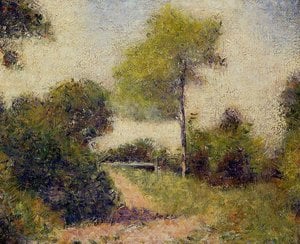
Stone crusher
複製画のサイズ
In the quiet, evocative depths of Georges Seurat’s "Stone Crusher," we encounter a moment frozen in time, stripped of the vibrant distractions of color to reveal the profound weight of human existence. Created during the artist's formative years around 1883-84, this work serves as a hauntingly beautiful precursor to his later, more famous Pointillist masterpieces. Rather than the shimmering light of a Parisian afternoon, Seurat directs our gaze toward the gritty, monochromatic reality of manual toil. The subject—a solitary laborer bent in rhythmic exertion—becomes an anchor for the viewer, pulling us into a space where the boundary between the human form and the earth itself begins to blur.
The artwork is a masterclass in the use of charcoal and crayon on paper, a medium that allows Seurat to explore the tactile boundaries of texture. There is an undeniable physicality to the piece; the dense, granular application of dark tones mimics the very substance the worker seeks to break. As the eye moves across the surface, one can almost feel the rough edges of the stone and the heavy, labored breath of the man. This textured approach creates a sense of immediacy, transforming a simple preparatory sketch into a powerful, atmospheric window into the industrial era's physical hardships.
While many associate Seurat exclusively with the luminous dots of Pointillism, "Stone Crusher" reveals his foundational obsession with optical truth and structural integrity. Even in this monochromatic state, the artist employs a sophisticated understanding of light and shadow to sculpt the figure from the darkness. Through meticulous layering and overlapping strokes, Seurat achieves a range of grays that suggest volume and weight, imbuing the worker's posture with a palpable sense of fatigue and determination. This is not merely a drawing of a man; it is an architectural construction of light and shadow.
The composition is strikingly intimate, with the figure occupying much of the frame to create a feeling of closeness and inescapable presence. By obscuring the background in a soft, indistinct haze, Seurat ensures that nothing distracts from the central drama of the task at hand. This focus on the singular, monumental effort of the individual reflects a deeper, more symbolic exploration of the human condition—the struggle against gravity, time, and the relentless nature of work. For the collector or designer, this piece offers a sophisticated depth that transcends mere decoration, providing a focal point of contemplative strength.
For those looking to curate a space with intellectual depth and emotional resonance, "Stone Crusher" offers an unparalleled opportunity. Its neutral, grayscale palette makes it a versatile masterpiece, capable of anchoring a minimalist contemporary room or adding a layer of historical gravity to a classic study. The artwork does not demand attention through loud colors, but rather commands respect through its quiet, brooding intensity and the sheer technical mastery of its execution.
Owning a high-quality reproduction of this work means bringing more than just an image into a home; it is about inviting the spirit of Neo-Impressionist innovation into one's daily environment. It serves as a reminder of the beauty found in the overlooked, the strength found in persistence, and the profound art that can be extracted from the most humble of subjects. Whether placed in a gallery-style hallway or as a centerpiece in a sophisticated living area, Seurat’s "Stone Crusher" remains a timeless testament to the power of light, shadow, and the human spirit.


1859 - 1891 , フランス

Explore the scientific brilliance of Seurat and Signac. Discover how Pointillism revolutionized color through optical mixing and light, offering a profound look into the Neo-Impressionist movement for true art connoisseurs and collectors.

Explore the vibrant evolution of Post-Impressionism. From Seurat's revolutionary Pointillism to the emotional depth of masters, discover how this movement redefined modern art history through color, structure, and unparalleled creative expression.
Discover the mesmerizing world of Pointillism. Explore the revolutionary techniques of Georges Seurat, the science of optical color mixing, and the enduring legacy of Neo-Impressionism in this expert guide for classical art enthusiasts.


 プレビュー
プレビュー
 シェアする
シェアする シェアする
シェアする
 詳細を見る
詳細を見る ガイド
ガイド

 ダウンロード
 似ている作品
 X線調査
X線調査 スライドショー
 統計情報
統計情報 詳細を見る
詳細を見る









 ガラスオプションは、110cm未満のサイズでのみご利用いただけます。