
当社のアーティストが、お客様のご希望のサイズと額縁に合わせて、キャンバスに手描きで制作する油彩画です。 ( プリント版に切り替え デジタル画像販売へ切り替え)





























作品のオリジナル比率に合わせた、当店の規定サイズからお選びください。

特定のフレームやスペースに合わせて、ご希望のサイズをご入力いただけます。選択されたサイズが元の画像の比率と異なる場合、アートワークをトリミングするか、手描きで要素を追加して絵画を拡張いたします。デジタルモックアップ を制作し、制作開始前にご確認(承認)をいただきます。
画面上のプレビューは、実際のトリミングや拡張を正確に反映しているものではありません。最終的な構図は、モックアップによってのみ正確にご確認いただけます。
カスタムサイズもご利用いただけますが、元の比率を維持するためには、あらかじめ用意されたリストからサイズを選択することをお勧めいたします。

Seated Nude: Study for
複製画のサイズ
Georges Seurat's “Seated Nude: Study for” is not merely a drawing; it’s a distilled essence of the artist’s revolutionary approach to art, a poignant glimpse into his creative process. Completed in 1883, this monochromatic work immediately draws the viewer into a world of meticulous detail and profound emotional resonance. The subject – a male nude seated in profile – is rendered with an almost obsessive precision using dry point technique, creating a surface that vibrates with texture and depth. It’s a study, yes, but one brimming with a quiet dignity and vulnerability that transcends its preparatory status.
The composition centers on the figure's back and shoulders, subtly angled towards the viewer, inviting a sense of intimacy despite the formal restraint. The lower body is deliberately obscured by shadow, fostering an atmosphere of contemplation – a suggestion of introspection rather than overt sensuality. Seurat’s genius lies in his ability to convey complex emotion through deceptively simple forms. This isn't a celebration of the nude form; it’s a meditation on stillness, solitude, and perhaps even a touch of melancholy.
Executed with an extraordinary level of control, “Seated Nude” exemplifies Seurat's groundbreaking technique of Pointillism – or, as he termed it, chromoluminarism. Rather than blending colors directly on the canvas, Seurat employed thousands of tiny, distinct dots of pure color, meticulously arranged to create optical mixtures when viewed from a distance. This method, rooted in scientific observation of how the eye perceives light and color, was radically innovative for its time.
The drawing isn’t just about technique; it’s about the *process* of seeing and representing reality. Seurat wasn’t interested in simply copying what he saw; he was attempting to capture the very essence of light and form through a system of scientific observation.
“Seated Nude: Study for” emerged during a pivotal moment in art history – the transition from Impressionism to modernism. Georges Seurat, born in Paris in 1859, was deeply influenced by artists like Eugène Delacroix and the scientific theories of Charles Darwin, particularly regarding perception and color. He sought to move beyond the fleeting impressions of Impressionism and create a more structured, rational approach to art.
His work aligns with the broader intellectual currents of the late 19th century, reflecting a fascination with science, technology, and the pursuit of objective truth. Seurat’s meticulous methodology and his exploration of optical effects paved the way for later movements such as Neo-Impressionism and Fauvism. The drawing stands as a crucial bridge between these artistic traditions.
Beyond its technical brilliance, “Seated Nude” possesses a subtle yet powerful symbolic resonance. The pose itself – seated, contemplative, slightly vulnerable – evokes a sense of introspection and quiet dignity. The somber tone and the deliberate use of monochrome contribute to this atmosphere of melancholy and contemplation.
It’s important to note that Seurat was not simply depicting a nude figure; he was exploring themes of human experience—the beauty of stillness, the weight of solitude, and perhaps even the acceptance of mortality. This drawing invites us to pause, reflect, and consider our own place within the larger context of existence.


1859 - 1891 , フランス

Explore the vibrant evolution of Post-Impressionism. From Seurat's revolutionary Pointillism to the emotional depth of masters, discover how this movement redefined modern art history through color, structure, and unparalleled creative expression.
Discover the mesmerizing world of Pointillism. Explore the revolutionary techniques of Georges Seurat, the science of optical color mixing, and the enduring legacy of Neo-Impressionism in this expert guide for classical art enthusiasts.

Explore the scientific brilliance of Seurat and Signac. Discover how Pointillism revolutionized color through optical mixing and light, offering a profound look into the Neo-Impressionist movement for true art connoisseurs and collectors.
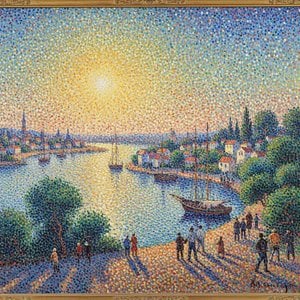
Embark on a sophisticated journey into the luminous world of Neo-Impressionism. Uncover the scientific brilliance of Pointillism, from Georges Seurat’s revolutionary color theory to the mesmerizing magic of the dot. An expert exploration for true art history enthusiasts.


 プレビュー
プレビュー
 シェアする
シェアする シェアする
シェアする
 詳細を見る
詳細を見る

 ダウンロード
 似ている作品
 X線調査
X線調査 スライドショー
 統計情報
統計情報


 詳細を見る
詳細を見る









 ガラスオプションは、110cm未満のサイズでのみご利用いただけます。


