プレビュープレビュー ARで試着ARで試着 手描きの絵画を購入 手描きの絵画を購入デジタル画像販売へ切り替え デジタル画像販売へ切り替え シェアするシェアする
詳細を見る詳細を見る お気に入りに追加 お気に入りに追加 ダウンロードダウンロード 似ている作品似ている作品 X線調査X線調査 スライドショースライドショー 統計情報統計情報

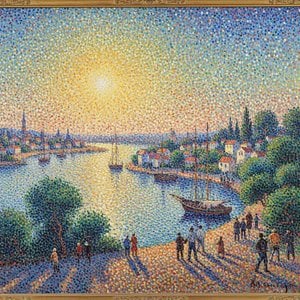
Lady with a Monkey

Explore Georges Seurat’s groundbreaking Pointillist masterpiece, ‘Lady with a Monkey,’ capturing serene beauty and scientific precision in Impressionism's final flourish. Admire the luminous color palette and intricate detail—bring this iconic artwork home.

美しい光の表現を追求した印象派からモダニズムへと移行した画家、セウラートです。「グランドジャットにて」などの傑作は、色彩理論と視覚科学に基づいた独自の技法「ドット印象主義」で描かれました。彼の作品は現代美術に大きな影響を与え、今なお多くの人々を魅了しています。

ジークレー/アートプリント

迅速な制作と多彩な仕上げオプションを備えた、ミュージアムクオリティのジークレーまたはキャンバスプリント。 (手描きの絵画を購入 手描きの絵画を購入デジタル画像販売へ切り替え デジタル画像販売へ切り替え)

P118B $10
P118H $10
P118W $10
P438Z $10
P508JH $12
P508YH $12
P805H $10
P805Z $10
P919BZ $10
P919G $10
P919XJ $10
P959ZH $10
P968JZ $12
W106C $8
W218G $10
W218JH $8
W218Y $10
W307PJ $10
W316G $10
W316PJ $8
W316Y $10
W398PJ $8
W4111J $10
W500HY $15
W500JH $15
W692G $12
W849H $8
W940BG $15
W953PJ $8

標準サイズ
オーダーメイド
CM
INCH

作品のオリジナル比率に合わせた、当店の規定サイズからお選びください。

高さ

特定のフレームやスペースに合わせて、ご自身でサイズを指定することも可能です。選択されたサイズが元の画像の比率と一致しない場合、作品をトリミングするか、鏡面反射または単色での塗りつぶしによって画像を拡張いたします。制作を開始する前に、ご確認用のデジタルモックアップをお送りいたします。
画面上のプレビューには、実際のトリミングや拡張は反映されませんのでご注意ください。最終的な構図を正確に確認できるのは、モックアップのみとなります。
カスタムサイズも承っておりますが、元の比率を維持するためには、あらかじめ用意されたリストからサイズを選択することをお勧めいたします。

世界中への配送()は、標準の4〜5週間ではなく、2週間でお届けいたします。(12 9月)

why_choose_icon
世界中へ無料エクスプレス配送
why_choose_icon
高品質なリネンキャンバス
why_choose_icon
配送時完全保険付
why_choose_icon
関税・輸入税の払い戻し保証
why_choose_icon
忠実な色彩再現保証
why_choose_icon
100日間返品保証(製造上の欠陥がある場合のみ)
why_choose_icon
100% 全額返金保証
why_choose_icon
まとめ買い割引のご案内

合計金額

$ 68

reproduction

Lady with a Monkey

ジークレー/アートプリント

複製画のサイズ

-

合計金額

$ 68

作品詳細

  • Movement: Post-Impressionism
  • Artistic style: Precisionism
  • Title: Lady with a Monkey
  • Location: Private Collection
  • Artist: Georges Pierre Seurat
  • Influences: Impressionism

アート・クイズ

各質問の正解は1つだけです。

問題 1:
What revolutionary painting technique is used in 'Lady with a Monkey' to create luminosity through tiny dots of pure pigment?
問題 2:
Which scientific principle did Georges Seurat apply to his method of applying color?
問題 3:
According to the photo description, which animals are present in the scene alongside a monkey?
問題 4:
In what city was the artist Georges Seurat born?
問題 5:
What is the woman in the painting holding to protect herself from the sun?

A Symphony of Light and Observation: Exploring Georges Seurat’s Lady with a Monkey

The painting “Lady with a Monkey,” attributed to Georges Pierre Seurat, stands as a testament to the transformative power of scientific inquiry applied to artistic expression. Completed in 1886 during his Parisian heyday, this deceptively simple composition embodies the core tenets of Pointillism—a revolutionary approach championed by Seurat and Henri Matisse that fundamentally altered the landscape of late nineteenth-century art. More than just a portrait, it’s an embodiment of intellectual curiosity and a profound engagement with the principles of optics, cementing Seurat's place as one of the most influential artists of his era.

The Technique of Luminous Precision

Seurat’s method wasn’t merely about applying paint; it was about harnessing the science of color perception. Rejecting Impressionism’s fleeting impressions of light and atmosphere—the shimmering effects captured by Monet and Renoir—he adopted a systematic process based on Eugène Chevreuil's research into how the human eye perceives color. Instead of blending pigments directly onto the canvas, Seurat meticulously applied tiny dots of pure pigment – predominantly complementary colors – to create an illusion of luminosity and depth. This technique, dubbed Pointillism (French for “point”), aimed to reproduce the visual sensations experienced by the artist rather than attempting to represent a scene realistically. The resulting surface appears grainy at first glance but reveals itself upon closer inspection as a breathtaking tapestry of interwoven hues that dance across the canvas.

Historical Context and Artistic Influences

The painting emerged from a period marked by burgeoning scientific advancements, particularly in optics and psychology. Seurat’s fascination with these disciplines fueled his artistic experimentation and informed his unwavering belief in the pursuit of objective observation. He drew inspiration from Japanese prints—particularly those depicting landscapes bathed in ethereal light—which captivated European artists during this time. The influence of Jules Dumont d'Urville’s voyages to Tahiti is palpable, reflecting Seurat’s interest in exotic cultures and scientific exploration. Furthermore, Seurat was deeply affected by the writings of Friedrich Nietzsche, whose philosophy challenged traditional moral values and encouraged a radical rethinking of human existence—themes that subtly permeate the artwork’s contemplative mood.

Symbolism Beyond Surface Beauty

While visually arresting, “Lady with a Monkey” possesses layers of symbolic meaning beyond its immediate aesthetic appeal. The woman herself represents idealized femininity – serene composure and grace—a characteristic often found in portraits commissioned by wealthy patrons during the Belle Époque. Her gaze directs our attention outwards, suggesting an awareness of the broader world and hinting at a deeper emotional resonance. The monkey, perched beside her, is a deliberate inclusion that carries significant symbolic weight. Traditionally associated with intelligence and mischievousness, it serves as a counterpoint to the woman’s stillness, representing spontaneity and primal instinct. The parasol—a symbol of protection from the sun but also signifying social status—further underscores the painting's context within Parisian society.

Emotional Resonance: A Moment Frozen in Time

Ultimately, “Lady with a Monkey” transcends mere visual representation; it evokes a feeling of quiet contemplation and understated beauty. Seurat’s masterful manipulation of color creates an atmosphere that is both luminous and melancholic—a poignant snapshot of a moment suspended in time. The painting invites viewers to consider themes of observation, perception, and the relationship between humanity and nature. It stands as a powerful reminder that art can communicate profound ideas through subtle gestures and evocative visual language, securing its place as a cornerstone of modern artistic achievement.

アーティストの略歴

ジョルジュ・セーラ:光と科学の詩人

1859年、パリで生まれたジョルジュ・ピエール・セーラは、印象派から近代美術へと移行する過程において、極めて重要な役割を果たした画家です。彼の短いながらも情熱的なキャリアは、点描という技法を確立し、絵画の世界に革命をもたらしました。セーラの物語は、綿密な観察眼、知的な探求心、そして光と色彩に対する深い感受性によって彩られています。これらの資質が彼を同時代の画家たちから際立たせ、今日に至るまで観る人々を魅了し続けています。幼少期は一見すると平凡でしたが、その後の芸術的探求の基盤となりました。セーラ家は誕生直後、ブールヴァール・ド・マジェンタに移り住み、父親であるアントワーヌ・クリュストーム・セーラが不動産投機で財を築いたおかげで、若きジョルジュは美術教育を受ける機会を得ました。彼はまず彫刻家ジャスティン・レキュアンのもとで彫刻を学び、その後、名門 École des Beaux-Arts に入学し、アンリ・レマンの下で学業を積みました。これらの初期の経験は、彼に伝統的な技法における確固たる基盤を与えましたが、同時に独自の芸術的個性を育み、繊細な感受性と体系的な分析への情熱という融合を生み出しました。

アカデミズムからクロモルミネイシズムへ:科学と色彩の探求

セーラの芸術的発展は、突飛な革新によるものではなく、知的好奇心と厳密な実験によって培われた漸進的な進化でした。当初、彼の作品は当時のアカデミックな基準を反映し、描写力と確立された構図原則に対する敬意を示していました。しかし、彼はすぐにこれらの慣習に疑問を抱き始め、より科学的なアプローチで絵画に取り組むようになりました。ミシェル・エギュヌ・シュルヴォーやオーデン・ロードといった科学者の色彩理論に関する著作に没頭し、色彩の光学効果を探求しました。この研究が彼の革命的な技法であるクロモルミネイシズム—色彩の科学—と、その実用的な応用である点描の礎となりました。その核心となるアイデアは、純粋な色の小さな、明確な点をキャンバスに適用することで、鑑賞者の目が見ることによってそれらを光学的に混合し、鮮やかで輝く効果を生み出すという、一見すると単純なものでした。これは単に明るい色を達成することではなく、人間の視覚システムが光と色彩をどのように認識するかを理解し、その知識を活用して、よりダイナミックで魅力的な絵画体験を作り出すことでした。彼はコントー・クロヨンを用いて粗い表面の紙に詳細な下絵を描き、各点の配置を注意深く計画することで、芸術的プロセスにおいてほぼ数学的な精度を示しました。

革新のランドマーク:主要作品と芸術的ビジョン

セーラの研究と実験の集大成は、おそらく『グランド・ジャット島での日曜日』(1884-1886)に最もよく表されています。この記念碑的な作品は、点描主義という新しい芸術運動の幕開けを告げました。セーヌ川沿いののんびりとした午後を楽しむパリの人々を描いたこの象徴的な絵画は、彼の点描技法を最大限に活用しています。注意深く配置された色彩の点で表現された人物たちは、光で輝き、静かな雰囲気を作り出しています。『サン=オゥアンの浴女』(1884)は、彼の色彩理論を田園風景に応用した作品であり、初期の作品である『サン=オゥアンの風景』(1882-1883)は、彼の進化するスタイルと光の効果を捉えることへの関心を明らかにしています。さらには、『エッフェル塔』(1889)のような現代パリの生活を描いた作品さえも、彼の独特な技法を通して変容し、工業的な近代性と芸術的革新性の調和のとれた融合を示しています。『アシニエールの浴女』は、またしても重要な作品であり、彼の特徴的なスタイルで余暇と現代生活というテーマを探求し、『グランド・ジャット島での日曜日』に見られるより洗練されたアプローチを予感させます。これらの絵画は単なる風景の描写ではなく、色彩と知覚の可能性を探求するために慎重に構築された視覚的実験でした。

永続的な遺産:影響と歴史的意義

わずか31歳という短い生涯にもかかわらず(1891年に亡くなった)、セーラの美術界への影響は深く、広範囲に及んでいます。彼の作品は伝統的な芸術的慣習に挑戦し、数多くの後続の運動への道を開きました。主観的な表現と新しい技法の探求への重点は、学術的な制約から解放されることを目指したアーティストたちに共鳴しました。セーラの影響は、大胆な色彩と表現力豊かな筆致を採用したフォーヴィスム、形態を幾何学的形状に分解したキュビスム、感情的な強さと自発的なジェスチャーを優先した抽象表現主義といった多様なアーティストたちの作品に見られます。当初は物議を醸していた彼の科学的なアプローチは、最終的には芸術的可能性の定義を広げました。彼は芸術が知的にも厳格でありながら感情的にも喚起力を持つことができることを示し、今日までアーティストたちにインスピレーションを与え続けています。セーラの遺産は、彼の技術革新を超えて広がっており、観察力、実験精神、そして芸術的表現を通して周囲の世界を理解するという人間の永続的な願望の証として、現代生活の本質を比類のない精度と美しさで捉えた作品群を残しました。

基本情報

  • フルネーム: ジョルジュ・ピエール・スーラ
  • 主な作品:
    • グラン・ジャット島の日曜日
    • バスニエールでの水浴び
    • アルファルファ、サン=ドニ
  • 出生地: パリ、フランス
  • 国籍: フランス人
  • 影響を与えたアーティストまたは運動:
    • フォーヴィスム
    • キュビスム
    • 抽象表現主義
  • 影響を受けたアーティスト:
    • ミシェル・シュヴォレル
    • オーデン・ロード
  • 没年月日: 1891年3月29日
  • 生年月日: 1859年12月2日
  • 芸術運動またはスタイル: 新印象派、点描主義
テーマ、スタイル、特徴別に分類された作品を探索しましょう。