
迅速な制作と多彩な仕上げオプションを備えた、ミュージアムクオリティのジークレーまたはキャンバスプリント。 ( 手描きの絵画を購入 デジタル画像販売へ切り替え)





























作品のオリジナル比率に合わせた、当店の規定サイズからお選びください。

特定のフレームやスペースに合わせて、ご自身でサイズを指定することも可能です。選択されたサイズが元の画像の比率と一致しない場合、作品をトリミングするか、鏡面反射または単色での塗りつぶしによって画像を拡張いたします。制作を開始する前に、ご確認用のデジタルモックアップをお送りいたします。
画面上のプレビューには、実際のトリミングや拡張は反映されませんのでご注意ください。最終的な構図を正確に確認できるのは、モックアップのみとなります。
カスタムサイズも承っておりますが、元の比率を維持するためには、あらかじめ用意されたリストからサイズを選択することをお勧めいたします。

untitled (8430)
複製画のサイズ
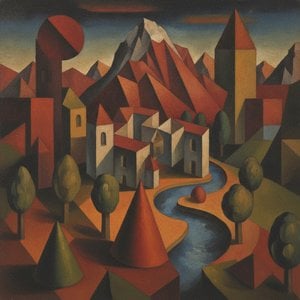
This evocative black and white artwork, tentatively designated 'Untitled (8430)', offers a compelling glimpse into the nascent explorations of Georges Braque during a pivotal moment in modern art. The image depicts a strikingly rendered mountainous landscape punctuated by humble dwellings, creating an arresting juxtaposition between the constructed world and the raw power of nature. It’s a scene that immediately draws the viewer in, prompting contemplation on humanity's relationship with its environment – a theme central to Braque’s groundbreaking work.
Created by Georges Braque around 1908-1910, this piece exemplifies the foundational principles of what would become known as Cubism. Braque's artistic journey began with a practical grounding – his father was a house painter and decorator, providing him with an acute understanding of materials and construction. This experience is subtly reflected in the painting’s meticulous rendering of architectural elements and its exploration of spatial recession. However, Braque quickly moved beyond mere imitation, driven by a desire to fundamentally challenge traditional artistic conventions. He sought to represent objects from multiple viewpoints simultaneously, breaking down forms into geometric components – a technique that would revolutionize art.
The painting’s execution reveals Braque's deliberate approach to his materials. The artist employed a dry brushstroke, layering thin washes of paint to build up tonal variations and create a sense of depth. This technique, characteristic of the period, allowed for a subtle manipulation of light and shadow, contributing significantly to the work’s atmospheric quality. The stark contrast between light and dark areas further emphasizes the fragmented nature of the forms, aligning with Cubism's core tenets.
Beyond its formal qualities, ‘Untitled (8430)’ carries a subtle symbolic weight. The juxtaposition of the imposing mountain range – representing enduring natural forces – with the small, vulnerable dwellings suggests humanity’s precarious position within the grand scheme of things. The scene evokes a sense of quiet contemplation and perhaps even melancholy, inviting viewers to consider themes of isolation, resilience, and the search for harmony between human endeavor and the natural world. This artwork is not merely a depiction of a landscape; it's an invitation to engage with profound questions about our place in existence.

1882 - 1963 , フランス
Explore the profound evolution of Cubist landscapes. Discover how masters like Braque and Picasso redefined perspective through geometric mastery, transforming nature into an intellectual mosaic of form and light for the discerning modern art collector.

Explore the profound artistry of black and white photography. From historical mastery to the interplay of light and shadow, discover how monochrome captures timeless emotion and form through a sophisticated lens of art history.


 プレビュー
プレビュー
 シェアする
シェアする シェアする
シェアする
 詳細を見る
詳細を見る

 ダウンロード
 似ている作品
 X線調査
X線調査 スライドショー
 統計情報
統計情報

 詳細を見る
詳細を見る









 ガラスオプションは、110cm未満のサイズでのみご利用いただけます。


