

このページに掲載されている作品は著作権法によって保護されており、当社の許可なく同一の複製物を制作または販売することは法律で禁じられています。この保護は、以下のような国際条約に基づき執行されます。 ベルヌ条約 および、以下の条項に定められたものを含む各国の法律により、 米国著作権法 第17編。
この手法は、著作権で保護された作品の複製や複写を伴わないため、著作権法に完全に準拠しています。これは単なる模倣ではなく、創造的な再解釈です。元の作品からインスピレーションを受けつつも、それとは異なる、全く新しい絵画を生み出すものです。
スピーディーな制作と多彩な仕上げオプションが魅力の、ミュージアムクオリティなジークレー・キャンバスプリント。 ( 手描きの複製画を注文する デジタル画像販売へ切り替え)





























作品のオリジナル比率に合わせた、当店の規定サイズからお選びください。

特定のフレームやスペースに合わせて、ご自身でサイズを指定することも可能です。選択されたサイズが元の画像の比率と一致しない場合、作品をトリミングするか、鏡面反射または単色での塗りつぶしによって画像を拡張いたします。制作を開始する前に、ご確認用のデジタルモックアップをお送りいたします。
画面上のプレビューには、実際のトリミングや拡張は反映されませんのでご注意ください。最終的な構図を正確に確認できるのは、モックアップのみとなります。
カスタムサイズも承っておりますが、元の比率を維持するためには、あらかじめ用意されたリストからサイズを選択することをお勧めいたします。
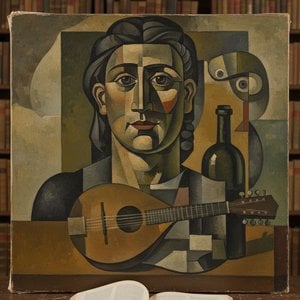
untitled (7053)
複製画サイズ一覧
ジョルジュ・ブラクエ作「untitled (7053)」 の色彩分析は、Statement なコントラストと Balanced Harmony な調和を記録しています。
「untitled (7053)」の明暗のコントラストはStatementと記録されています。コントラストとは、明るい部分と暗い部分がどの程度強く異なっているかを表す指標です。
「untitled (7053)」は、ジョルジュ・ブラクエの他の作品と同様に、Cubist Analytical様式と、描き続けられてきたテーマであるpicasso collaboration, geometric reduction, formal experimentation, cubist legacy, visual fragmentationを共有しています。
Cubist Analyticalのムーブメントにおいて、「untitled (7053)」はReflectiveなトーンで描かれています。
「untitled (7053)」は、その作者の出生地を通じて、Cubist Analytical運動とフランスを結びつけています。
「untitled (7053)」は、Calmな雰囲気を纏っています。
ジョルジュ・ブラクエ作「untitled (7053)」は、Earthyなカラーパレットを使用しています。この配色が、作品全体の色彩的特徴を象徴しています。
ジョルジュ・ブラクエ作「untitled (7053)」 の記録された輝度は Dark です。


1882 - 1963 , フランス
Master the complexities of Analytical Cubism with our expert guide. Explore how Picasso and Braque revolutionized art through fragmented perspective, geometric abstraction, and muted palettes—essential knowledge for every discerning art collector.

Explore the profound evolution of Cubist still life, from Cézanne's structural foundations to the fragmented brilliance of Braque and Léger. Discover how geometric abstraction redefined reality through a sophisticated lens of form, color, and modern artistic mastery.

Unveil the profound allure of fragmented art. An authoritative exploration of Cubism’s revolutionary deconstruction, from Picasso to modern geometric mastery. Perfect for discerning collectors seeking depth, history, and museum-quality beauty in their curated collections.

 設置イメージを確認
 送る
送る シェア
シェア
 詳細情報
詳細情報 ガイドを表示

 画像をダウンロード
 似ている作品
 X線調査
X線調査 スライドショー
 統計情報
統計情報

 続きを読む
続きを読む









 ガラスオプションは、110cm未満のサイズでのみご利用いただけます。


