
当社のアーティストが、お客様のご希望のサイズと額縁に合わせて、キャンバスに手描きで制作する油彩画です。 ( プリント版に切り替え デジタル画像販売へ切り替え)





























作品のオリジナル比率に合わせた、当店の規定サイズからお選びください。

特定のフレームやスペースに合わせて、ご希望のサイズをご入力いただけます。選択されたサイズが元の画像の比率と異なる場合、アートワークをトリミングするか、手描きで要素を追加して絵画を拡張いたします。デジタルモックアップ を制作し、制作開始前にご確認(承認)をいただきます。
画面上のプレビューは、実際のトリミングや拡張を正確に反映しているものではありません。最終的な構図は、モックアップによってのみ正確にご確認いただけます。
カスタムサイズもご利用いただけますが、元の比率を維持するためには、あらかじめ用意されたリストからサイズを選択することをお勧めいたします。

untitled (2561)
複製画のサイズ
In the vast, often turbulent landscape of early 20th-century modernism, Georges Braque’s “Untitled (2561)” stands as a profound testament to the power of restraint. At first glance, the viewer is met with a deceptively simple scene: a dog nestled peacefully among a collection of fruit—bananas and an apple—resting upon a table. Yet, beneath this charming domestic tableau lies the intellectual heartbeat of Cubism. This monochrome masterpiece eschews the distractions of vibrant color to focus the observer's gaze on the fundamental essence of form and structure. It is not merely a painting of a meal; it is a deliberate deconstruction of reality, inviting us to look past the surface and engage with the very geometry of existence.
The emotional resonance of the piece lies in its unexpected warmth. Despite the analytical nature of Braque’s approach, there is an undeniable sense of comfort and intimacy radiating from the composition. The way the dog occupies the center of the scene, surrounded by the organic shapes of the fruit, creates a sanctuary of stillness. For the collector or interior designer, this artwork offers a unique duality: it possesses the sophisticated, intellectual edge required for contemporary gallery spaces, while simultaneously providing a soulful, grounding presence that can transform a living area into a place of quiet contemplation.
To understand “Untitled (2561)” is to witness Braque’s mastery of analytical technique. Influenced heavily by the structural innovations of Paul Cézanne, Braque moved away from the traditional illusion of three-dimensional depth achieved through single-point perspective. Instead, he employs a method of fracturing and overlapping geometric planes. The dog’s form is not defined by soft, continuous outlines but is suggested through a rhythmic interplay of light and shadow, where shapes intersect and merge. This technique forces the eye to move dynamically across the canvas, reconstructing the subject from multiple viewpoints simultaneously.
The choice of a black and white palette is a strategic stroke of genius. By stripping away color, Braque eliminates any emotional bias that hue might impose, forcing a pure confrontation with volume and spatial recession. The shadows are not merely absences of light but are structural elements that define the weight of the apple and the curve of the bananas. This meticulous attention to the underlying architecture of the image ensures that the painting remains visually stimulating even upon repeated viewings, offering a complex puzzle of shapes that rewards the patient observer.
The historical significance of this work cannot be overstated, as it captures a pivotal moment in the dialogue between Braque and his contemporary, Pablo Picasso. During their legendary period of collaboration, the boundaries between their individual styles became famously blurred. “Untitled (2561)” embodies this era of intense artistic synergy, where the shared goal was to dismantle the "mirror" of art and replace it with a new language of symbols and structures. This piece serves as a window into that transformative epoch in France, marking the transition from the sensory delights of Fauvism to the cerebral rigor of Cubism.
For those seeking to adorn their homes with pieces of historical weight, this reproduction offers more than just aesthetic beauty; it offers a connection to the very foundations of modern vision. It is an invitation to experience the "quiet genius" of Braque—a painter who did not seek to replicate the world as we see it, but rather to reveal the hidden, structural truth that lies beneath the surface of all things.


1882 - 1963 , フランス

Explore the profound beauty of fruit arrangement masterpieces. From Dutch Golden Age opulence to Baroque chiaroscuro, discover the art history, symbolism, and timeless elegance of classical still life paintings for the discerning collector.
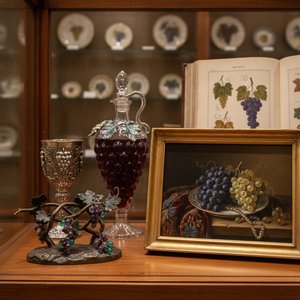
Embark on a visual journey through the world's most exquisite grape-themed masterpieces. Discover the technical brilliance of Baroque masters and learn how to curate timeless, hand-painted oil reproductions for your luxury collection with WahooArt.com.

Master the nuances of Giclée printing with our expert guide. Discover how pigment-based inks and museum-grade substrates create fade-resistant, high-fidelity art reproductions designed for discerning collectors seeking unparalleled quality and longevity.
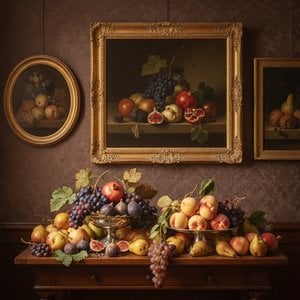
Discover the profound beauty of fruit still life paintings. Explore the rich symbolism, Baroque mastery, and timeless allure of nature's bounty through an art-historical lens, perfect for collectors and enthusiasts of classical fine art.

Explore the profound evolution of Cubist still life, from Cézanne's structural foundations to the fragmented brilliance of Braque and Léger. Discover how geometric abstraction redefined reality through a sophisticated lens of form, color, and modern artistic mastery.


 プレビュー
プレビュー
 シェアする
シェアする シェアする
シェアする
 詳細を見る
詳細を見る ガイド
ガイド

 ダウンロード
 似ている作品
 X線調査
X線調査 スライドショー
 統計情報
統計情報

 詳細を見る
詳細を見る









 ガラスオプションは、110cm未満のサイズでのみご利用いただけます。


