

 油彩ウォールアートCubism
 1955
1955 55.0 x 70.0 cm
 Tel Aviv Museum of Art
このページに掲載されている作品は著作権法によって保護されており、当社の許可なく同一の複製物を制作または販売することは法律で禁じられています。この保護は、以下のような国際条約に基づき執行されます。 ベルヌ条約 および、以下の条項に定められたものを含む各国の法律により、 米国著作権法 第17編。
この手法は、著作権で保護された作品の複製や複写を伴わないため、著作権法に完全に準拠しています。これは単なる模倣ではなく、創造的な再解釈です。元の作品からインスピレーションを受けつつも、それとは異なる、全く新しい絵画を生み出すものです。
スピーディーな制作と多彩な仕上げオプションが魅力の、ミュージアムクオリティなジークレー・キャンバスプリント。 ( 手描きの複製画を注文する デジタル画像販売へ切り替え)





























作品のオリジナル比率に合わせた、当店の規定サイズからお選びください。

特定のフレームやスペースに合わせて、ご自身でサイズを指定することも可能です。選択されたサイズが元の画像の比率と一致しない場合、作品をトリミングするか、鏡面反射または単色での塗りつぶしによって画像を拡張いたします。制作を開始する前に、ご確認用のデジタルモックアップをお送りいたします。
画面上のプレビューには、実際のトリミングや拡張は反映されませんのでご注意ください。最終的な構図を正確に確認できるのは、モックアップのみとなります。
カスタムサイズも承っておりますが、元の比率を維持するためには、あらかじめ用意されたリストからサイズを選択することをお勧めいたします。
Two Birds
複製画サイズ一覧
Georges Braque’s “Two Birds,” completed in 1955, isn't merely a depiction of avian forms; it’s a distilled essence of the artistic revolution brewing within early to mid-20th century France. Born in Argenteuil in 1882, Braque’s lineage—his father and grandfather were house painters—provided him with an invaluable understanding of material, structure, and the subtle language of form. This practical foundation, combined with his rigorous training at the École des Beaux-Arts, allowed him to dismantle traditional artistic conventions, paving the way for Cubism's radical departure from representational art. “Two Birds” embodies this shift—a deliberate fracturing of perspective and a reimagining of reality through geometric abstraction. The painting’s genesis lies within the intense collaboration between Braque and Pablo Picasso, a period marked by mutual influence and experimentation, as they wrestled with how to capture the essence of objects rather than simply mirroring their appearance.
The choice of oil on paper is significant. This medium lends itself beautifully to the layering and textural effects that define Braque’s style. The surface becomes a landscape of overlapping planes, each contributing to the overall sense of dynamism and spatial ambiguity. Notice how the brushstrokes aren't smooth or blended; they retain their individual character, creating a palpable energy within the composition. This technique reflects a move away from illusionistic depth towards an exploration of form itself—a core tenet of Cubism.
The two birds, rendered in varying stages of flight, are the painting’s central focus. Braque doesn't offer a realistic portrayal; instead, he dissects them into their fundamental geometric components – triangles, squares, and circles—and reassembles them on the paper. The black bird, positioned to the left, appears poised for launch, its form suggesting movement and potential. Conversely, the white bird, situated on the right, seems suspended in mid-air, a moment of quiet contemplation. This juxtaposition creates a compelling visual dialogue, hinting at contrasting states of being—action versus stillness, perhaps even life versus death.
Birds have long held symbolic weight across cultures. They represent freedom, aspiration, spirituality, and communication. In Braque’s work, these associations are subtly evoked through the birds' fragmented forms and their dynamic arrangement. The act of flight itself symbolizes transcendence—a reaching for something beyond the immediate, a desire to break free from constraints. The muted color palette – predominantly earth tones with subtle hints of grey and ochre – further reinforces this sense of groundedness while simultaneously suggesting an ethereal quality.
“Two Birds” was created during a period of profound artistic upheaval. The rise of Cubism, spearheaded by Braque and Picasso, challenged the established norms of Western art. It wasn’t simply about depicting objects; it was about presenting multiple viewpoints simultaneously, forcing the viewer to actively engage with the artwork and reconstruct its meaning. This approach resonated deeply with the intellectual climate of the time, reflecting a broader shift in philosophical thought towards relativism and subjectivity.
The painting's placement within Braque’s oeuvre—particularly considering his later explorations of collage – highlights his ongoing experimentation with materials and techniques. His work during this period demonstrates a willingness to embrace chance and accident, incorporating found objects and unconventional methods into his artistic practice. “Two Birds” stands as a testament to Braque’s innovative spirit and his enduring contribution to the development of modern art. It invites us to contemplate not just the beauty of the birds themselves, but also the very nature of perception and representation.
「Two Birds」はジョルジュ・ブラクエの作品とされています。
ジョルジュ・ブラクエ作「Two Birds」の色調は、鮮明な色彩の存在感の彩度と鮮やかの強さを備えています。
ジョルジュ・ブラクエ作「Two Birds」の制作年は1955年です。
ジョルジュ・ブラクエ作「Two Birds」は著作権により保護されていますです。著作権の保護期間は、1963年に亡くなった作家の没年から起算されます。
ジョルジュ・ブラクエ作「Two Birds」は、アースカラーなパレットと静謐なトーンを兼ね備えています。
ジョルジュ・ブラクエ作「Two Birds」は、アイコニックなに分類され、Cubismの様式に属しています。
ジョルジュ・ブラクエは、1955年に「Two Birds」を制作した際、73歳でした。この年齢は、アーティストの誕生年である1882年から算出されています。

1882 - 1963 , フランス
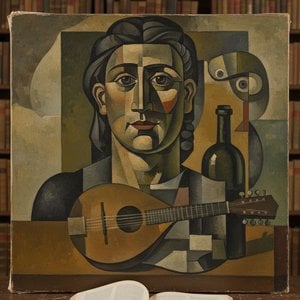
Master the complexities of Analytical Cubism with our expert guide. Explore how Picasso and Braque revolutionized art through fragmented perspective, geometric abstraction, and muted palettes—essential knowledge for every discerning art collector.

Embark on a journey through the revolutionary world of Cubism. Discover how masters like Picasso redefined perspective through Analytical and Synthetic techniques in this expert-led guide for art enthusiasts and collectors.
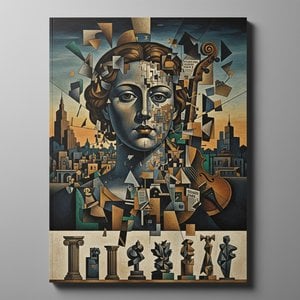
Master the complexities of Cubism with our expert guide. Explore the revolutionary fragmentation of Picasso and Braque, from Analytic to Synthetic styles, and learn how to evaluate these profound modernist masterpieces for your private collection.

Discover the profound legacy of Georges Braque. Our expert guide explores the evolution of Cubism, from Analytic deconstruction to Synthetic innovation, offering deep insights for discerning art collectors and connoisseurs of modern masterpieces.

Explore the profound evolution of Cubism through an expert analysis of Pablo Picasso's revolutionary works. From Analytical to Synthetic Cubism, discover the techniques that redefined modern art and learn how to curate these iconic masterpieces for your private collection.

 設置イメージを確認
 送る
送る シェア
シェア
 詳細情報
詳細情報 ガイドを表示

 画像をダウンロード
 似ている作品
 X線調査
X線調査 スライドショー
 統計情報
統計情報 続きを読む
続きを読む









 ガラスオプションは、110cm未満のサイズでのみご利用いただけます。


