

 Oil On CanvasWallArtCubist Landscape
 1961Modern
 120.0 x 175.0 cm
このページに掲載されている作品は著作権法によって保護されており、当社の許可なく同一の複製物を制作または販売することは法律で禁じられています。この保護は、以下のような国際条約に基づき執行されます。 ベルヌ条約 および、以下の条項に定められたものを含む各国の法律により、 米国著作権法 第17編。
敬意を払った法的な代替手段として、私たちはオリジナルにインスピレーションを与えられた、カスタムの手描きアートワークを提供しています。私たちの熟練したプロのアーティストは、元の作品が持つスタイル、情緒、そして芸術的なエッセンスを注意深く研究し、独自の創作物でありながら、同じ感性を呼び起こすような、新しくユニークな作品を作り上げます。
この手法は、著作権で保護された作品の複製や複写を伴わないため、著作権法に完全に準拠しています。これは単なる模倣ではなく、創造的な再解釈です。元の作品からインスピレーションを受けつつも、それとは異なる、全く新しい絵画を生み出すものです。
当社のアーティストが、お客様のご希望のサイズと額縁に合わせて、キャンバスに手描きで制作する油彩画です。 ( プリント版に切り替え デジタル画像販売へ切り替え)





























作品のオリジナル比率に合わせた、当店の規定サイズからお選びください。

フレームや壁のスペースに合わせて、ご希望の幅と高さを入力してください。本作品は手描きのため、異なる比率のサイズをご希望の場合、絵画の周囲を少し広げて描くか、あるいは端を少しカットして調整することが可能です。お客様のご要望に合わせます。制作を開始する前に、仕上がりを確認するためのデジタルモックアップをお送りいたします。このページに表示されている画像は完成品の実物ではなく、あくまでモックアップによるイメージです。
The Weeding Machine
複製画サイズ一覧
Step closer and observe the stillness within this 1961 composition. There is a profound sense of solitude here, captured through a monochrome palette that favors shades of grey over any sudden burst of color. The scene presents an old-fashioned bicycle resting in a sunlit field, its shadow stretching across the grass like an inquisitive gaze. Two figures are present—one standing near the left edge and another positioned further back toward the right—yet they do not disrupt the quietude of the landscape. Instead, they seem part of a larger, silent dialogue between human presence and the mechanical object.
The atmosphere is one of introspection. By prioritizing tonal variation over visual spectacle, the work directs our attention to the subtle textures of the earth and the weight of the moment. It captures a fleeting fragment of rural life, where the rhythm of labor and the stillness of nature exist in a delicate balance.
The construction of this piece reveals a sophisticated use of both oil paint and collage. Braque integrated fragments of textured paper—perhaps remnants of old maps or printed materials—into the background to create a sense of depth. This layering adds a physical dimension to the canvas, inviting the eye to trace the underlying structures beneath the surface. The bicycle itself is rendered with meticulous detail, providing a sharp, structural contrast to the softer, more organic textures of the field.
This approach reflects a mature period in the artist's career, where the lessons of Cubism—the fracturing of objects and the exploration of multiple perspectives—are applied to a much more subdued, lyrical subject. The composition is balanced with a measured rhythm, guiding the viewer through the expansive space without haste. It is a study in how light and shadow can define form even when the spectrum of color has been stripped away.
Beyond the literal depiction of a bicycle and a field, there is a deeper resonance regarding movement and freedom. The bicycle acts as a symbol of escape from societal constraints, its solitary presence underscoring themes of contemplation. As industrialization altered the rhythms of post-war Europe, this work sought to find dignity in simpler pursuits and the connection between humanity and the environment.
The muted tones contribute to an emotional landscape that feels both melancholic and serene. There is no attempt to depict a literal or dramatic scene; rather, the intention is to evoke a sense of quiet observation. The machine and the man exist within a shared space of memory and stillness, leaving the viewer to contemplate the relationship between the tools we use and the landscapes we inhabit.
ジョルジュ・ブラクエ作「The Weeding Machine」の色調は、Balanced Softな彩度を持っています。彩度とは、色の鮮やかさや落ち着きの度合いを表すものです。
「The Weeding Machine」では、CalmなムードにReflectiveな感情が添えられています。
「The Weeding Machine」は、1961年にOil On Canvas技法を用いて制作されました。素材と制作年は、原画がどのように、いつ制作されたかを示すものです。


1882 - 1963 , フランス

Explore the profound beauty of village scene art. From Impressionist light to pastoral realism, discover how timeless landscapes capture nostalgia through expert artistry and historical depth. Perfect for collectors seeking evocative, museum-quality landscape inspirations.
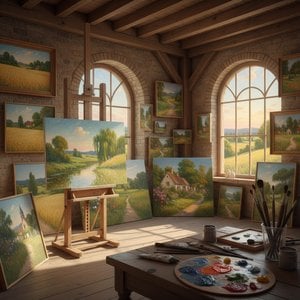
Discover the profound tranquility of rural art through an expert exploration of Impressionist landscapes. From pastoral scenes to textured oil masterpieces, learn how timeless nature-inspired artworks bring enduring elegance and serenity to sophisticated collectors.

 設置イメージを確認
 送る
送る シェア
シェア
 詳細情報
詳細情報 ガイドを表示

 画像をダウンロード
 似ている作品
 X線調査
X線調査 スライドショー
 Q&A
Q&A 統計情報
統計情報 続きを読む
続きを読む









 ガラスオプションは、110cm未満のサイズでのみご利用いただけます。


