

 OilWallArtProto-Cubism
 1951Modern
 161.0 x 73.0 cm
このページに掲載されている作品は著作権法によって保護されており、当社の許可なく同一の複製物を制作または販売することは法律で禁じられています。この保護は、以下のような国際条約に基づき執行されます。 ベルヌ条約 および、以下の条項に定められたものを含む各国の法律により、 米国著作権法 第17編。
この手法は、著作権で保護された作品の複製や複写を伴わないため、著作権法に完全に準拠しています。これは単なる模倣ではなく、創造的な再解釈です。元の作品からインスピレーションを受けつつも、それとは異なる、全く新しい絵画を生み出すものです。
スピーディーな制作と多彩な仕上げオプションが魅力の、ミュージアムクオリティなジークレー・キャンバスプリント。 ( 手描きの複製画を注文する デジタル画像販売へ切り替え)





























作品のオリジナル比率に合わせた、当店の規定サイズからお選びください。

額縁や壁のスペースに合わせて、ご希望の幅と高さを入力してください。プリントはカットすることは可能ですが、元の画像より大きくすることはできないため、異なる比率のサイズを選択された場合は、画像の一部が欠けることになります。印刷を開始する前に、内容を確認していただくためのデジタルモックアップをお送りいたします。このページに表示されている画像は、実際のカット後の状態を示すものではありません。実際の仕上がりはモックアップにてご確認ください。
Night
複製画サイズ一覧
In the profound stillness of Georges Braque’s “Night,” completed in 1951, viewers are invited into a world where the boundaries between observed reality and emotional depth begin to dissolve. This mature work stands as a masterful distillation of Braque’s lifelong engagement with color and form, capturing the serene, almost sacred atmosphere of twilight. Unlike the radical deconstruction found in his earlier Cubist experiments, this piece seeks to capture the very essence of a moment—the quietude that descends when the sun has vanished, leaving behind a landscape steeped in mystery and introspection.
The composition is deceptively simple yet meticulously orchestrated to evoke a sense of profound tranquility. In the foreground, two figures or sculptures command our attention, positioned against a backdrop of muted blues and greens that suggest the encroaping shadows of the evening. One figure embodies masculinity, cradling an instrument that hints at musical contemplation or the act of artistic creation, while the other represents femininity, adorned with a bird perched upon her shoulder. This small, delicate emblem of nature carries deep connotations of freedom, nurturing, and a silent connection to the natural world, grounding the composition in a sense of organic peace.
Braque’s approach to “Night” is deeply rooted in the tenets of Fauvism, a movement that championed unrestrained color as a primary vehicle for emotional expression. While he avoids purely naturalistic representation, he does not retreat into total abstraction; instead, he utilizes a bold and unconventional palette to convey mood. The artist deliberately eschews muted, academic tones in favor of intense shades of ochre, crimson, and indigo, creating a palpable sense of atmosphere that breathes with life even in the darkness.
The physical presence of the painting is enhanced by Braque’s masterful use of technique. By employing thick impasto—the application of paint in textured, heavy layers—he achieves a remarkable depth and luminosity. This deliberate manipulation of materiality invites the viewer to engage with the surface of the work, making the light seem as though it is emerging from within the pigment itself. For collectors and interior designers, such a piece offers more than mere decoration; it provides a tactile richness that transforms a space, offering an enduring capacity for wonder and a focal point that speaks directly to the emotional core.
To understand “Night” is to understand the trajectory of a man who helped redefine the very nature of modern art. Born in Argenteuil, France, Braque brought with him the technical precision of his family’s heritage in house painting and decoration, an understanding of pigment and surface that would later allow him to revolutionize the canvas. This painting, emerging from a period of intense experimentation following the Impressionist movement, reflects the broader cultural preoccupation with capturing subjective experience—a hallmark of Modernism.
Ultimately, this work transcends its visual depiction of a nocturnal scene to communicate themes of solitude and the cyclical rhythms of existence. It serves as a poignant reminder that even within the shadows, there is beauty to be found through the lens of artistic expression. For those seeking to bring a piece of art history into their private collections or curated environments, a high-quality reproduction of this iconic work offers an unparalleled opportunity to experience Braque’s unique ability to find harmony within the quietest moments of life.
歴史的に見て、「Night」は、より広範なModern時代におけるProto-Cubismの作品です。
ジョルジュ・ブラクエ作「Night」において、Proto-Cubismの潮流と近代美術の時代が融合しています。
「Night」の形式はTallで、原寸は161 x 73 cmです。どちらの情報も、複製を作成する際の参考になります。

1882 - 1963 , フランス

Journey through the revolutionary world of Georges Braque. Explore 25 iconic Cubist masterpieces, from geometric abstractions to timeless still lifes. Find inspiration for your collection with museum-quality art reproductions. Discover all masterpieces on WahooArt.com.

Step into the elegance of 18th-century Britain with our curated guide to George Romney's top 25 masterpieces. Explore iconic portraits and timeless techniques through museum-quality art reproductions and decor inspiration. Discover all masterpieces on WahooArt.com.

Immerse yourself in the luminous world of Georges Seurat. Explore 25 iconic Pointillist masterpieces, from color theory to timeless beauty. Find inspiration for museum-quality art reproductions and curated decor. Discover all masterpieces on WahooArt.com.
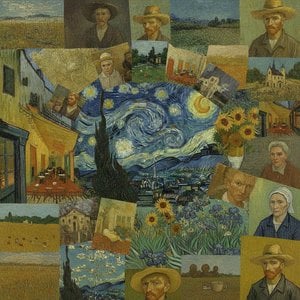
Immerse yourself in the vibrant world of Vincent van Gogh. Explore 25 iconic Post-Impressionist masterpieces, from Starry Night to Sunflowers. Discover the stories and techniques behind these timeless works and find museum-quality art reproductions on WahooArt.com.

 設置イメージを確認
 送る
送る シェア
シェア
 詳細情報
詳細情報 ガイドを表示

 画像をダウンロード
 似ている作品
 X線調査
X線調査 スライドショー
 統計情報
統計情報 続きを読む
続きを読む









 ガラスオプションは、110cm未満のサイズでのみご利用いただけます。


