
x































作品のオリジナル比率に合わせた、当店の規定サイズからお選びください。

特定のフレームやスペースに合わせて、ご希望のサイズをご入力いただけます。選択されたサイズが元の画像の比率と異なる場合、アートワークをトリミングするか、手描きで要素を追加して絵画を拡張いたします。デジタルモックアップ を制作し、制作開始前にご確認(承認)をいただきます。
画面上のプレビューは、実際のトリミングや拡張を正確に反映しているものではありません。最終的な構図は、モックアップによってのみ正確にご確認いただけます。
カスタムサイズもご利用いただけますが、元の比率を維持するためには、あらかじめ用意されたリストからサイズを選択することをお勧めいたします。

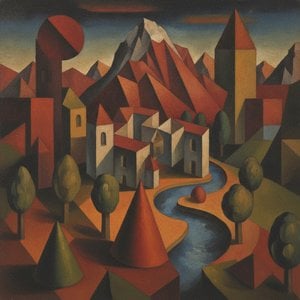
Landscape in Estaque
複製画のサイズ
Georges Braque’s *Landscape in Estaque*, painted circa 1906, stands as a pivotal work not just within the artist’s oeuvre but also as a foundational piece of early Cubism. This evocative depiction of a Provençal landscape – specifically, the village of Estaque near Marseille – transcends mere topographical representation; it's an intensely analytical exploration of form and space, anticipating the radical shifts that would redefine 20th-century art. The painting’s power resides in its ability to simultaneously capture a recognizable scene while dismantling it into fragmented geometric components, inviting the viewer to actively participate in reconstructing the image.
*Landscape in Estaque* emerged during a period of intense experimentation within Parisian artistic circles. Braque’s collaboration with Pablo Picasso is inextricably linked to the development of Cubism, and this painting represents a crucial step in that process. Prior to this work, Braque was influenced by Paul Cézanne's emphasis on geometric forms and his exploration of multiple viewpoints within a single composition. However, unlike Cézanne’s more lyrical approach, Braque pushed these ideas to their logical extreme, reducing objects to their essential shapes and presenting them from various angles concurrently. This technique, initially dubbed ‘Analytical Cubism,’ aimed to depict the subject's three-dimensionality by analyzing it into its constituent parts.
Braque’s meticulous brushwork and careful layering of paint contribute significantly to the painting’s impact. He utilized a technique known as *empasse*, meaning “encounter,” where he would rapidly apply layers of oil paint, often scraping them away before they dried completely. This process created a textured surface, rich with visual information and hinting at the underlying structure of the landscape. The use of muted colors and broken planes further emphasizes the materiality of the pigments themselves, reflecting Braque’s interest in exploring the properties of paint as a medium.
*Landscape in Estaque* is more than just a representation of a place; it's imbued with a sense of melancholy and contemplation. The fragmented composition mirrors the artist's own intellectual and emotional state during this period of profound artistic transformation. The painting’s ambiguity invites viewers to project their own interpretations onto the scene, fostering a deeply personal connection with the artwork. It speaks to the inherent instability of perception and the challenges of representing reality through art – themes that would continue to resonate throughout Braque's career and influence generations of artists.


1882 - 1963 , フランス
Explore the profound evolution of Cubist landscapes. Discover how masters like Braque and Picasso redefined perspective through geometric mastery, transforming nature into an intellectual mosaic of form and light for the discerning modern art collector.

Discover the profound legacy of Georges Braque. Our expert guide explores the evolution of Cubism, from Analytic deconstruction to Synthetic innovation, offering deep insights for discerning art collectors and connoisseurs of modern masterpieces.


最新の美術ニュース、限定オファー、そしてインテリアのアイデアをいち早くお届けします。
お客様のプロジェクトについてお聞かせください。当社の美術専門家が、お客様に合わせた3つのパーソナライズされた芸術提案をご提供いたします。
あなたにぴったりの3作品を無料で厳選いたします


 プレビュー
プレビュー
 プリントを購入
 シェアする
シェアする シェアする
シェアする
 詳細を見る
詳細を見る

 ダウンロード
 似ている作品
 X線調査
X線調査 スライドショー

 詳細を見る
詳細を見る









 ガラスオプションは、110cm未満のサイズでのみご利用いただけます。


