

このページに掲載されている作品は著作権法によって保護されており、当社の許可なく同一の複製物を制作または販売することは法律で禁じられています。この保護は、以下のような国際条約に基づき執行されます。 ベルヌ条約 および、以下の条項に定められたものを含む各国の法律により、 米国著作権法 第17編。
この手法は、著作権で保護された作品の複製や複写を伴わないため、著作権法に完全に準拠しています。これは単なる模倣ではなく、創造的な再解釈です。元の作品からインスピレーションを受けつつも、それとは異なる、全く新しい絵画を生み出すものです。
スピーディーな制作と多彩な仕上げオプションが魅力の、ミュージアムクオリティなジークレー・キャンバスプリント。 ( 手描きの複製画を注文する デジタル画像販売へ切り替え)





























作品のオリジナル比率に合わせた、当店の規定サイズからお選びください。

額縁や壁のスペースに合わせて、ご希望の幅と高さを入力してください。プリントはカットすることは可能ですが、元の画像より大きくすることはできないため、異なる比率のサイズを選択された場合は、画像の一部が欠けることになります。印刷を開始する前に、内容を確認していただくためのデジタルモックアップをお送りいたします。このページに表示されている画像は、実際のカット後の状態を示すものではありません。実際の仕上がりはモックアップにてご確認ください。
If I die here 1
複製画サイズ一覧
In the vast, often turbulent landscape of early 20th-century modernism, few works possess the haunting, meditative stillness found in Georges Braque’s "If I Die Here." At first glance, the viewer is met with a deceptively simple subject: a feline figure captured in a moment of profound quietude. Yet, beneath this minimalist surface lies the very heartbeat of the Cubist revolution. Painted during the pivotal years of 1914-15, this work serves as a masterclass in how an artist can dismantle the physical world to reveal its underlying structural truth. The composition is dominated by a sophisticated interplay of black and white, set against a muted, ethereal purple backdrop that provides a sense of atmospheric depth without ever relying on traditional, illusionistic perspective.
Braque’s technique here is nothing short of transformative. Rather than attempting to mirror the soft textures of fur or the fluid grace of a living creature, he employs the core tenets of Cubism to dissect the subject into interlocking planes and geometric fragments. This method challenges the eye to move beyond mere recognition; it invites the observer to actively participate in the reconstruction of the cat's form. The subtle gradations of purple act as a grounding force, preventing the fractured black and white elements from dissolving into pure abstraction. It is a delicate dance between fragmentation and cohesion, where every sharp edge and tonal shift contributes to a larger, more complex visual reality.
To understand the soul of "If I Die Here," one must look toward the intellectual currents that flowed through Paris during Braque’s formative years. The painting is deeply rooted in the legacy of Paul Cézanne, whose radical approach to simplifying natural forms into geometric essences provided the blueprint for Braque’s experimentation. This piece captures that transition perfectly—the moment where the organic world begins to surrender to the structural logic of modern art. Furthermore, the work exists within the legendary artistic dialogue between Braque and Pablo Picasso. During this era, their styles were so intimately entwined in the pursuit of Cubism that their individual hands often became indistinguishable, both working toward a shared goal of shattering the traditional mirror of representation.
There is an undeniable emotional weight to this piece, a sense of stillness amidst innovation. The title itself suggests a poignant, perhaps even fatalistic, reflection on existence, mirroring the way the subject—the cat—seems suspended in time. For the collector or the interior designer, this artwork offers more than just visual interest; it provides a focal point of intellectual and emotional gravity. Its monochromatic palette and restrained color scheme make it an exceptionally versatile choice for sophisticated modern interiors, where it can serve as a silent, powerful anchor in a room characterized by minimalist elegance or bold, contemporary textures.
Whether viewed as a historical milestone of the Cubist movement or as a stunningly composed study in tonal restraint, "If I Die Here" remains an enduring testament to Braque's ability to find profound meaning within the simplest of forms. It is a work that does not shout for attention but rather commands it through its quiet, unshakable presence.
ジョルジュ・ブラクエ作「If I die here 1」の色調は、Mutedの彩度とMonochromaticの強さを備えています。
カタログ内では、ジョルジュ・ブラクエ作「If I die here 1」はWallArtとして分類されています。このカテゴリーを活用することで、類似の作品を探すことができます。
ジョルジュ・ブラクエの画業において、「If I die here 1」はAnalytical Cubismに制作されたものです。この時期を知ることで、同アーティストの他の作品との比較検討が可能になります。

1882 - 1963 , フランス

Journey through the bold shapes and vibrant colors of geometric abstraction. Explore the stories behind 10 iconic masterpieces that redefined modern art. Find museum-quality reproductions and decor inspiration for your space. Discover all masterpieces on WahooArt.com.
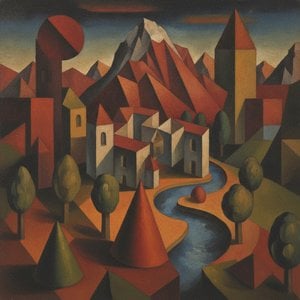
Explore the profound evolution of Cubist landscapes. Discover how masters like Braque and Picasso redefined perspective through geometric mastery, transforming nature into an intellectual mosaic of form and light for the discerning modern art collector.

Journey through the revolutionary world of Cubism. Explore 10 iconic masterpieces by legends like Picasso and Braque that redefined modern art. Find inspiration for your collection with our museum-quality reproductions. Discover all masterpieces on WahooArt.com.
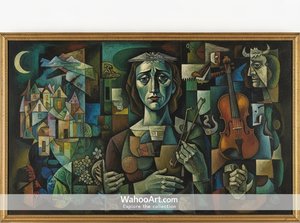
Journey through the vibrant world of Cubist Expressionism. Explore 10 iconic masterpieces, their bold techniques, and the stories behind these timeless works. Find museum-quality art reproductions and decor inspiration for your space. Discover all masterpieces on WahooArt.com.

 設置イメージを確認
 送る
送る シェア
シェア
 詳細情報
詳細情報 ガイドを表示

 画像をダウンロード
 似ている作品
 X線調査
X線調査 スライドショー
 Q&A
Q&A 統計情報
統計情報

 続きを読む
続きを読む









 ガラスオプションは、110cm未満のサイズでのみご利用いただけます。


