このページに掲載されている作品は著作権法によって保護されており、当社の許可なく同一の複製物を制作または販売することは法律で禁じられています。この保護は、以下のような国際条約に基づき執行されます。 ベルヌ条約 および、以下の条項に定められたものを含む各国の法律により、 米国著作権法 第17編。
この手法は、著作権で保護された作品の複製や複写を伴わないため、著作権法に完全に準拠しています。これは単なる模倣ではなく、創造的な再解釈です。元の作品からインスピレーションを受けつつも、それとは異なる、全く新しい絵画を生み出すものです。
スピーディーな制作と多彩な仕上げオプションが魅力の、ミュージアムクオリティなジークレー・キャンバスプリント。 ( 手描きの複製画を注文する デジタル画像販売へ切り替え)





























作品のオリジナル比率に合わせた、当店の規定サイズからお選びください。

額縁や壁のスペースに合わせて、ご希望の幅と高さを入力してください。プリントはカットすることは可能ですが、元の画像より大きくすることはできないため、異なる比率のサイズを選択された場合は、画像の一部が欠けることになります。印刷を開始する前に、内容を確認していただくためのデジタルモックアップをお送りいたします。このページに表示されている画像は、実際のカット後の状態を示すものではありません。実際の仕上がりはモックアップにてご確認ください。
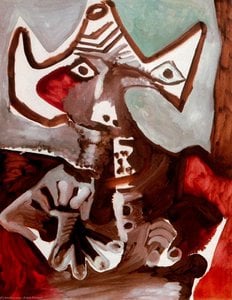
A Red Pedestal
複製画サイズ一覧
“A Red Pedestal,” created in 1942, presents a compelling still life that exemplifies Georges Braque’s later artistic evolution. The painting centers around a vibrant red pedestal draped with fabric, serving as the stage for a fragmented electric guitar and what appears to be scattered sheet music or newspaper clippings. The composition is deliberately disjointed, characteristic of Cubism, where objects are broken down into geometric forms and viewed from multiple perspectives simultaneously. Braque masterfully layers these elements against an abstract background filled with angular shapes and radiating lines, creating a sense of dynamic tension within the frame.
This artwork firmly resides within the realm of late Cubism, but also reveals subtle influences from Expressionism. Braque’s earlier work with Pablo Picasso during the formative years of Cubism established a revolutionary approach to representation, rejecting traditional perspective in favor of fractured forms and multiple viewpoints. However, “A Red Pedestal” demonstrates a shift towards greater emotional depth. The intense use of red—a dominant color throughout the piece—injects a palpable sense of drama and intensity. Braque’s technique involves thick impasto brushstrokes, adding texture and physicality to the canvas. This tactile quality contrasts with the intellectual rigor of Cubism, suggesting a more visceral engagement with the subject matter.
Created during World War II, “A Red Pedestal” reflects a period of profound upheaval and uncertainty in Europe. While not overtly political, the painting’s fragmented forms and unsettling atmosphere can be interpreted as mirroring the fractured state of society at the time. The choice of subject matter—a musical instrument alongside scattered papers—might allude to the disruption of artistic expression and intellectual pursuits amidst wartime chaos. Braque, living in France under Nazi occupation, likely channeled his anxieties and observations into this intensely personal work.
The symbolism within “A Red Pedestal” is open to interpretation, contributing to its enduring appeal. The red pedestal itself can be seen as a symbolic stage or platform, elevating the objects it supports while simultaneously confining them. The electric guitar, a relatively modern instrument at the time, juxtaposed with the traditional still life setting, suggests a tension between modernity and tradition. The scattered papers could represent fleeting thoughts, lost memories, or the fragility of knowledge. Overall, the painting evokes a complex range of emotions—anxiety, fascination, and perhaps even a sense of melancholy. The bold colors and fragmented forms create a visually arresting experience that challenges viewers to contemplate themes of mortality, artistic obsession, and the enduring power of human creativity.
ジョルジュ・ブラクエ作「A Red Pedestal」が醸し出すドラマチックなな雰囲気は、おすすめの空間であるリビングルームにぴったりです。
ジョルジュ・ブラクエは、1942年に「A Red Pedestal」を制作した際、60歳でした。この年齢は、アーティストの誕生年である1882年から算出されています。
「A Red Pedestal」の色は、彩度が程よく柔らかな彩度、強度がバランスの取れたです。


1882 - 1963 , フランス

Discover the profound legacy of Georges Braque. Our expert guide explores the evolution of Cubism, from Analytic deconstruction to Synthetic innovation, offering deep insights for discerning art collectors and connoisseurs of modern masterpieces.

Explore the profound evolution of Cubist still life, from Cézanne's structural foundations to the fragmented brilliance of Braque and Léger. Discover how geometric abstraction redefined reality through a sophisticated lens of form, color, and modern artistic mastery.

 設置イメージを確認
 送る
送る シェア
シェア
 詳細情報
詳細情報 ガイドを表示

 画像をダウンロード
 似ている作品
 X線調査
X線調査 スライドショー
 Q&A
Q&A 統計情報
統計情報

 続きを読む
続きを読む









 ガラスオプションは、110cm未満のサイズでのみご利用いただけます。