プレビュー ARで試着 プリント版に切り替え 手描きの絵画を購入 シェアする
詳細を見る お気に入りに追加 ダウンロード 似ている作品 X線調査 スライドショー 統計情報

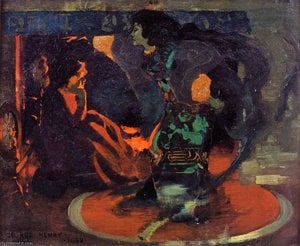
Convent near Rome

Discover George Henry Yewell’s ‘Convent near Rome’ (1870). A monochrome landscape painting showcasing realism & impressionism. Explore its serene beauty & historical context.

George Henry Yewell (1830-1923) was an American painter & etcher known for portraits, genre scenes, and Orientalist works inspired by his travels in Europe & Egypt. Discover his captivating art!

オンラインプレビューをはるかに凌ぐ、高解像度で鮮明なデジタル画像をご購入いただけます。

各ファイルは、社内の専門家が高度なツールと熟練した手作業によるレタッチを用いて、細心の注意を払って準備されています。すべての画像において、卓越した鮮明度、正確な色彩再現性、そして繊細なディテールを保証いたします。

最終ファイルは、プロフェッショナルな編集・印刷環境ですぐにご利用いただけるよう最適化された状態で、72時間以内にメールにてお届けいたします。これは、一流のデザインスタジオ、出版社、ギャラリーから信頼されているものと同等の品質です。

デジタルアート

個人での鑑賞、印刷、クリエイティブなプロジェクト用に、高解像度ファイルをダウンロードできます。 ( プリント版に切り替え 手描きの絵画を購入)

最終合計金額

$ 24.90

デジタル画像のご注文に付随する特典

高品質なデジタル画像配信を、確かな品質で。

WahooArt.com を選ぶことは、単に画像を手に入れることではありません。それは、プロの手によって精密に仕上げられ、満足保証が付いた高品質なデジタルアートワークを受け取ることを意味します。ご注文いただいた際に自動的に付随する内容は、以下の通りです:

shipping_icon
メールですぐにお届け

ご注文から72時間以内に、高解像度のデジタル画像ファイルがメールでお手元に届きます。すぐにそのままご利用いただけます。

canvas_icon
AI技術で最適化されたデジタルファイル

お客様の作品は、高度なAIツールと専門家による手作業の編集を組み合わせてプロフェッショナルに最適化されており、細部のディテール、鮮明さ、そして正確な色再現性を最大限に引き出しています。

insurance_icon
一生涯無料の再送サービス

ファイルを誤って削除したり、紛失してしまったりしましたか?ご安心ください。いつでも無料で再送いたします。

tax_icon
輸入手数料は一切かかりません

関税や手数料、配送料を気にすることなく、お気に入りのアートワークをすぐにお楽しみいただけます。デジタルダウンロードは常に免税です。

color_icon
色彩再現の保証

プロ仕様のツールとカラーマネジメント技術を用いることで、デジタル画像が元の色を最大限に忠実に再現することを保証いたします。

return_icon
100日間満足保証

ご購入いただいたデジタル画像にご満足いただけない場合は、100日以内であれば、理由を問わず修正または100%の返金対応をさせていただきます。

guarantee_icon
100% 返金保証

ご満足いただけない場合は、デジタルファイルを受け取ってから100日以内であれば、理由を問わず全額返金いたします。

discount_icon
まとめ買い割引

3枚購入で10%OFF - 5枚購入で15%OFF - 10枚以上購入で20%OFF。クリエイティブなプロジェクト、ギャラリー、エージェンシーに最適です。

作品詳細

  • Year: 1870
  • Dimensions: 5.5 x 9 in.
  • Subject or theme: Rural Italian scene
  • Artistic style: Realism/Impressionism
  • Medium: Oil on canvas
  • Influences:
    • Cole
    • Hicks
  • Artist: George Henry Yewell

アート・クイズ

各質問の正解は1つだけです。

問題 1:
What is the primary subject matter depicted in George Henry Yewell’s ‘Convent near Rome’?
問題 2:
The painting ‘Convent near Rome’ is primarily executed in which style?
問題 3:
What year was George Henry Yewell’s ‘Convent near Rome’ painted?
問題 4:
Which of the following best describes Yewell’s artistic background before moving to Rome?
問題 5:
The muted color palette and loose brushstrokes of ‘Convent near Rome’ contribute to which overall effect?

A Moment of Tranquil Reflection: George Henry Yewell’s “Convent Near Rome”

George Henry Yewell's "Convent Near Rome," painted in 1870, isn’t merely a landscape; it’s a carefully constructed tableau of serenity and understated beauty. This monochrome masterpiece, rendered in oil on canvas, transports the viewer to a rural Italian scene—a place where time seems to slow and the spirit finds solace. The painting immediately establishes a mood of quiet contemplation through its muted palette – predominantly cool blues, grays, and browns – that evokes the hazy atmosphere of a distant afternoon. Yewell masterfully employs atmospheric perspective, subtly lightening the tones in the background to create an illusion of depth, drawing the eye towards the imposing yet harmonious structure of the convent itself.

The Artist’s Hand: Technique and Style

Yewell's style is a fascinating blend of realism and impressionism. While rooted in observation—evident in the detailed rendering of the stone wall and the subtle variations in the grassy field—the painting also possesses an expressive quality. Short, broken brushstrokes build texture and volume, particularly noticeable in the foreground, suggesting a dynamic interplay between light and shadow. The loose application of paint contributes to the overall sense of immediacy and captures the fleeting effects of natural light. Notably, Yewell’s technique echoes that of Thomas Cole, whose influence is palpable in the painting's focus on capturing the grandeur and spiritual resonance of the landscape—a connection further solidified by Yewell’s early exposure to Cole’s *The Voyage of Life*. The composition itself is deliberately balanced, with horizontal lines dominating the scene, creating a feeling of stability and grounding.

Historical Context and Artistic Influences

To fully appreciate “Convent Near Rome,” it's crucial to understand Yewell’s artistic journey. Born in Havre de Grace, Maryland, he initially trained as a tailor before dedicating himself to painting. His formative years in Iowa City, influenced by Theodore S. Parvin and the principles of careful draftsmanship, laid the foundation for his later work. A pivotal moment arrived with a political cartoon that catapulted him into local fame, demonstrating an early talent for capturing human character and social commentary. His time in Paris under Thomas Couture and William Makepeace Thackeray further refined his skills, exposing him to European artistic trends. The painting’s subject matter—a rural Italian scene—reflects Yewell's travels and his fascination with the landscapes of Europe, particularly Italy, where he spent several years residing in Rome.

Symbolism and Emotional Resonance

While “Convent Near Rome” avoids overt symbolism, it resonates deeply through its portrayal of tranquility and connection to nature. The convent itself can be interpreted as a symbol of faith, community, and refuge—a place of quiet contemplation amidst the bustle of life. The surrounding landscape evokes a sense of timelessness and serenity, inviting the viewer to step into the scene and experience a moment of peaceful reflection. The muted colors and soft lighting contribute to an emotional atmosphere of gentle melancholy and understated beauty, suggesting a longing for simplicity and connection with something larger than oneself. It’s a painting that speaks not through grand pronouncements but through subtle gestures—a testament to Yewell's ability to capture the essence of a place and evoke a profound sense of feeling.

A Timeless Masterpiece: Reproduction Options

WahooArt offers high-quality reproductions of “Convent Near Rome,” allowing you to bring this captivating artwork into your home or office. Available in various sizes, our prints faithfully capture the painting’s delicate details and atmospheric depth. Whether you're an art collector, interior designer, or simply someone seeking a touch of timeless beauty, a reproduction of Yewell’s “Convent Near Rome” is sure to be a cherished addition to your collection. Explore our options today and experience the serenity of this remarkable landscape firsthand.


作家の略歴

Early Life and Education

George Henry Yewell (January 20, 1830 – September 26, 1923) was an American painter and etcher born in Havre de Grace, Maryland. His father, Solomon Yewell, died when he was a young boy, leaving him and his mother to relocate to Cincinnati, Ohio, where Harriet Carver Yewell had family connections. Recognizing the importance of artistic training, Harriet enrolled her son in Theodore S. Parvin’s school in Iowa City, Iowa—Parvin would later become a respected educator and editor of *The Annals of Iowa*. This formative experience instilled in Yewell an appreciation for observation and meticulous draftsmanship, qualities that would characterize his entire oeuvre.
  • Iowa City Years: From 1841 to 1848, Yewell honed his artistic skills through apprenticeship with a tailor while simultaneously cultivating his passion for art.
  • Thomas Cole’s Influence: A pivotal moment arrived when he encountered Thomas Cole's *The Voyage of Life*, sparking an enduring fascination with Romantic landscape painting and its exploration of spiritual themes.

Breakthrough Career and Political Cartoons

Yewell’s artistic breakthrough occurred in 1848 when he drew a satirical cartoon about the contentious debate surrounding Iowa City's relocation of its state capital to Des Moines—a scene rendered with remarkable dynamism and symbolic representation. As Yewell himself recounted, “At the height of the excitement, I drew a large caricature, representing the capitol building on wheels, and oxen pulling one way, upon whose shoulders were placed heads of members who voted for removal. On the other end of the building were those members who voted against the bill, represented by oxen whose feeble chain had broken and tumbled them in a heap.” This piece garnered widespread acclaim and cemented Yewell’s reputation as a gifted caricaturist—a skill he would continue to employ throughout his career.
  • Charles Mason's Patronage: The influential Judge Charles Mason recognized Yewell’s talent and generously financed his move to New York City, where he enrolled in the studio of William Makepeace Thackeray.
  • Early Artistic Training: Thackeray’s guidance provided Yewell with invaluable insight into artistic technique and aesthetic sensibilities.

Formal Studies and Parisian Atelier

Driven by a desire for comprehensive artistic development, Yewell pursued formal studies at the National Academy of Design from 1851 to 1853—a period during which he studied under Thomas Hicks, whose pupil he became. Hicks’s studio fostered an environment conducive to mastering tonal contrasts and capturing the essence of light and shade—principles that would inform Yewell's later paintings. Furthermore, he traveled by stagecoach and rail to Manhattan on October 9, 1851, establishing himself in New York City and embarking upon a new chapter of his artistic journey.
  • Thomas Hicks’ Influence: Hicks instilled in Yewell the importance of meticulous observation and stylistic refinement—skills honed through copying Old Master works at the Louvre and the Luxembourg Palace.

Mature Artistic Output and Recognition

Yewell's artistic output spanned decades, encompassing portraits, genre scenes, and Orientalist landscapes inspired by his travels in Europe and Egypt. He achieved considerable acclaim from contemporary critics such as Henry T. Tuckerman, who lauded Yewell’s ability to portray architectural elements with “elaborate care.” Notably, he was elected an Academician of the National Academy of Design in 1881—a testament to his enduring artistic merit and contribution to American art history. His landscapes, particularly those depicting serene Italian countryside vistas, continue to captivate viewers today.
  • Rome Years: From 1867 to 1875 Yewell resided in Rome alongside Mary Elizabeth Coast, immersing himself in the vibrant artistic milieu of the city and collaborating with fellow American artists like Elihu Vedder and Charles Caryl Coleman.

Legacy and Artistic Style

George Henry Yewell’s artistic style—characterized by meticulous draftsmanship, tonal contrasts, and a restrained palette—reflects the influence of Romanticism and Academic Realism. His paintings convey a profound appreciation for observation and an unwavering commitment to capturing the beauty and grandeur of the natural world. He remains remembered as one of Iowa's most prominent artists, whose work continues to inspire admiration and scholarly study.
George Henry Yewell

George Henry Yewell

1830 - 1923 , United States of America

プロフィール概要

  • Artistic Movement Or Style: Orientalist
  • Artists Or Movements Influenced By This Artist: ['Henry T. Tuckerman']
  • Artists Who Influenced This Artist:
    • Thomas Cole
    • Charles Mason
  • Date Of Birth: January 20, 1830
  • Date Of Death: September 26, 1923
  • Full Name: George Henry Yewell
  • Nationality: American
  • Notable Artworks:
    • Convent near Rome
    • Pulpit in Saint Mark's, Venice
  • Place Of Birth: Havre de Grace, Maryland