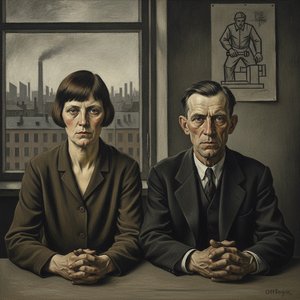
当社のアーティストが、お客様のご希望のサイズと額縁に合わせて、キャンバスに手描きで制作する油彩画です。 ( プリント版に切り替え デジタル画像販売へ切り替え)





























作品のオリジナル比率に合わせた、当店の規定サイズからお選びください。

特定のフレームやスペースに合わせて、ご希望のサイズをご入力いただけます。選択されたサイズが元の画像の比率と異なる場合、アートワークをトリミングするか、手描きで要素を追加して絵画を拡張いたします。デジタルモックアップ を制作し、制作開始前にご確認(承認)をいただきます。
画面上のプレビューは、実際のトリミングや拡張を正確に反映しているものではありません。最終的な構図は、モックアップによってのみ正確にご確認いただけます。
カスタムサイズもご利用いただけますが、元の比率を維持するためには、あらかじめ用意されたリストからサイズを選択することをお勧めいたします。

Café 1
複製画のサイズ
In the heart of a bustling, fractured Berlin, George Grosz captures a moment of suspended animation in his evocative work, Café 1. This painting serves as more than just a depiction of a social gathering; it is a vibrant, almost frenetic window into the urban pulse of the early twentieth century. As one gazes upon the canvas, the viewer is immediately swept into a crowded, atmospheric setting where the clinking of cups and the low hum of conversation seem to vibrate through the brushstrokes. The scene is populated by a diverse cast of characters—individuals caught in the quiet, mundane rituals of eating, drinking, and socializing—yet there is an underlying tension that suggests the world outside these cafe walls is far from stable. Through his masterful use of color and composition, Grosz invites us to witness the delicate dance of human connection amidst the encroaching shadows of a changing era.
The technique employed in Café 1 reflects the artist's unique ability to blend meticulous observation with a sharp, satirical edge. While his early training involved the disciplined study of Dutch masters, here we see a departure toward a more expressive and jagged aesthetic. The figures are rendered with a certain rhythmic energy, their forms defined by lines that feel both deliberate and urgent. The interplay of light and shadow across the dining tables creates a sense of depth, drawing the eye through the layers of the crowd toward the subtle details—a man in a tie, a woman lost in thought, and even the unexpected presence of birds that flutter near the periphery. This layering of detail ensures that every glance reveals something new, making the painting an endlessly engaging subject for close study.
Beyond its surface beauty, Café 1 functions as a profound piece of social commentary. Grosz, a chronicler of societal decay, uses the cafe setting as a microcosm of the Weimar Republic. The arrangement of people—some isolated in their own thoughts, others huddled in small groups—mirrors the fragmented nature of a society struggling to find its footing between tradition and modernity. The presence of the birds adds a layer of surrealist intrigue, perhaps symbolizing a fleeting sense of freedom or an external world that remains indifferent to the human drama unfolding within the cafe's walls. For the discerning collector, the painting offers a rich tapestry of meaning, where every object, from a simple coffee cup to a formal necktie, serves as a symbol of the social hierarchies and cultural shifts defining the age.
For interior designers and art enthusiasts alike, this reproduction offers a commanding presence that brings both historical weight and intellectual depth to any space. The painting’s palette, though colorful, possesses a sophisticated complexity that allows it to integrate seamlessly into both contemporary and classic decor. It acts as a conversation piece, sparking dialogue about history, sociology, and the enduring power of art to capture the human condition. To possess a hand-painted reproduction of Café 1 is to hold a fragment of Berlin's turbulent history, offering an emotional resonance that transcends time and provides a soulful focal point for any curated collection.

1893 - 1959 , ドイツ


 プレビュー
プレビュー
 シェアする
シェアする シェアする
シェアする
 詳細を見る
詳細を見る

 ダウンロード
 似ている作品
 X線調査
X線調査 スライドショー
 統計情報
統計情報

 詳細を見る
詳細を見る









 ガラスオプションは、110cm未満のサイズでのみご利用いただけます。