

このページに掲載されている作品は著作権法によって保護されており、当社の許可なく同一の複製物を制作または販売することは法律で禁じられています。この保護は、以下のような国際条約に基づき執行されます。 ベルヌ条約 および、以下の条項に定められたものを含む各国の法律により、 米国著作権法 第17編。
敬意を払った法的な代替手段として、私たちはオリジナルにインスピレーションを与えられた、カスタムの手描きアートワークを提供しています。私たちの熟練したプロのアーティストは、元の作品が持つスタイル、情緒、そして芸術的なエッセンスを注意深く研究し、独自の創作物でありながら、同じ感性を呼び起こすような、新しくユニークな作品を作り上げます。
この手法は、著作権で保護された作品の複製や複写を伴わないため、著作権法に完全に準拠しています。これは単なる模倣ではなく、創造的な再解釈です。元の作品からインスピレーションを受けつつも、それとは異なる、全く新しい絵画を生み出すものです。
当社のアーティストが、お客様のご希望のサイズと額縁に合わせて、キャンバスに手描きで制作する油彩画です。 ( プリント版に切り替え デジタル画像販売へ切り替え)
作品のオリジナル比率に合わせた、当店の規定サイズからお選びください。

フレームや壁のスペースに合わせて、ご希望の幅と高さを入力してください。本作品は手描きのため、異なる比率のサイズをご希望の場合、絵画の周囲を少し広げて描くか、あるいは端を少しカットして調整することが可能です。お客様のご要望に合わせます。制作を開始する前に、仕上がりを確認するためのデジタルモックアップをお送りいたします。このページに表示されている画像は完成品の実物ではなく、あくまでモックアップによるイメージです。
Ida Lewis
複製画サイズ一覧

In the grand tapestry of rock and roll history, few threads are as intricately woven or as harmoniously resonant as those spun by George Edward Smith. Born in Stroudsburg, Pennsylvania, in 1952, Smith’s journey is not merely a chronicle of musical notes, but an epic saga of collaboration and sonic exploration. From his earliest days, when the tactile magic of a C.F. Martin guitar first met his young hands, Smith possessed an innate understanding of rhythm and melody that would eventually place him at the heart of some of the most iconic performances in modern music. His very name carries the weight of a craftsman, a sentiment echoed by his roots; born George Edward Haddad, he carries a lineage that speaks to the strength and precision of a blacksmith, much like the sturdy, reliable, yet brilliantly shining melodies he delivers through his strings.
The 1980s marked a period of unparalleled brilliance for Smith, as he emerged as the definitive lead guitarist for the legendary duo Hall & Oates. During their golden era, Smith was much more than a sideman; he was a cornerstone of their distinctive sound, providing the intricate instrumentation that allowed their soulful vocals to soar. His presence on several number one singles helped define an era of pop-rock perfection, blending smooth textures with a sharp, rhythmic edge. This period of his life was characterized by a mastery of the studio and the stage alike, establishing him as a musician capable of navigating the delicate balance between commercial appeal and artistic depth.
As the decade turned, Smith’s artistry underwent a fascinating evolution, moving from the polished studios of pop stardom to the vibrant, unpredictable energy of live television. His tenure as the bandleader and co-musical director for the Saturday Night Live Band allowed him to showcase a different facet of his genius—one rooted in spontaneity, versatility, and the ability to anchor a chaotic ensemble with grace. In this role, he became a household name, a conductor of musical comedy who could pivot from bluesy riffs to rock anthems with effortless command. This era was not just about performance; it was about leadership, as he guided the house band through the cultural zeitgeist of late-night television.
Beyond the bright lights of television, Smith’s career is a map of legendary encounters. He became a trusted collaborator for the titans of the genre, serving as the inaugural lead guitarist for Bob Dylan’s Never Ending Tour between 1988 and 1990. To play alongside Dylan during such a pivotal moment in his artistic revival required a musician of profound sensitivity—one capable of supporting a legend without overshadowing the narrative. This spirit of collaboration extended to even more monumental stages, including his role in directing and performing at the historic The Concert at Madison Square Garden in 1992, and later joining Roger Waters for the massive The Wall Live Tour. In these settings, Smith’s playing took on a cinematic quality, helping to recreate the monumental legacies of Pink Floyd for new generations.
The true significance of G.E. Smith lies in his ability to remain a vital force across decades of shifting musical landscapes. His discography, ranging from the early solo efforts like In the World (1981) to more recent collaborations such as Stony Hill (2020), demonstrates a lifelong commitment to growth and experimentation. He has shared stages and recording booths with an incredible pantheon of talent, including:
Ultimately, the career of George Edward Smith is a testament to the power of the ensemble player who possesses the soul of a soloist. He has navigated the heights of pop stardom, the prestige of television leadership, and the profound responsibility of supporting musical icons. His legacy is etched not just in the grooves of countless records, but in the very atmosphere of rock history—a continuous, melodic thread that connects the legends of the past to the innovators of the present.

1952 - , United States of America

Explore the profound evolution of contemporary photography through a connoisseur's lens. From monochrome mastery to digital innovation, discover how modern photographic works shape fine art collections and define our cultural legacy.

Explore the profound artistry of black and white photography. From historical mastery to the interplay of light and shadow, discover how monochrome captures timeless emotion and form through a sophisticated lens of art history.
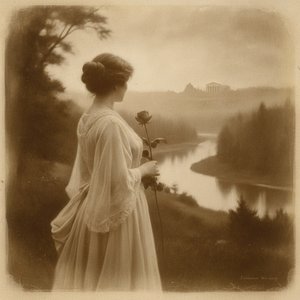
Explore the profound history of Pictorialism, the revolutionary movement that elevated photography to a fine art. Uncover how visionaries used painterly techniques and soft focus to transcend mere documentation, imbuing the lens with the emotional depth of classical masterpieces.

 設置イメージを確認
 送る
送る シェア
シェア
 詳細情報
詳細情報 ガイドを表示

 画像をダウンロード
 似ている作品
 X線調査
X線調査 スライドショー
 Q&A
Q&A 統計情報
統計情報


 続きを読む
続きを読む






































 ガラスオプションは、110cm未満のサイズでのみご利用いただけます。


