


スピーディーな制作と多彩な仕上げオプションが魅力の、ミュージアムクオリティなジークレー・キャンバスプリント。 ( 手描き複製画を注文する デジタル画像販売へ切り替え)





























作品のオリジナル比率に合わせた、当店の規定サイズからお選びください。

額縁や壁のスペースに合わせて、ご希望の幅と高さを入力してください。プリントはカットすることは可能ですが、元の画像より大きくすることはできないため、異なる比率のサイズを選択された場合は、画像の一部が欠けることになります。印刷を開始する前に、内容を確認していただくためのデジタルモックアップをお送りいたします。このページに表示されている画像は、実際のカット後の状態を示すものではありません。実際の仕上がりはモックアップにてご確認ください。
Houqua
複製画サイズ一覧
In the quiet, dignified presence of George Chinnery’s “Houqua,” we are transported back to the year 1843, a pivotal era of cultural intersection in Southeast Asia. This masterful portrait is far more than a mere likeness of a prominent figure; it is a window into a world where British colonial influence and Chinese mercantile prestige met in a delicate dance of diplomacy and trade. The subject, Houqua, sits with an air of profound composure upon a vibrant crimson couch, his posture radiating the quiet confidence of a man accustomed to both respect and immense responsibility. As one gaz and observes the meticulously arranged interior, there is an immediate sense of being invited into a private moment of aristocratic repose, making this piece an extraordinary centerpiece for any collection that values historical depth and narrative richness.
The artistry of Chinnery shines through his sophisticated use of chiaroscuro, where the dramatic interplay of light and shadow breathes life into the textures of the scene. The artist’s training at the Royal Academy Schools in London is evident in the way he sculpts form through oil on canvas, capturing the heavy, luxurious folds of traditional Chinese attire with breathtaking precision. Every brushstroke serves to highlight the contrast between the soft glow illuminating the subject's face and the deep, velvety shadows that anchor him within his opulent surroundings. For the discerning collector or interior designer, this technique offers a visual depth that commands attention, providing a focal point that changes character depending on the lighting of the room.
Beyond the technical brilliance, “Houqua” is steeped in symbolic meaning, acting as a visual record of the burgeoning British East India Company’s presence in Asia. The choice of a vibrant red couch is not merely aesthetic; it serves as a powerful anchor for the composition, symbolizing wealth, status, and the vitality of the era's trade routes. Scattered throughout the scene are subtle yet significant nods to Chinese artistic conventions—a vase brimming with delicate blossoms and strategically placed bowls that suggest a refined, cosmopolitan lifestyle. These elements weave a story of cultural exchange, where European oil painting techniques were used to document and romanticize the splendor of the Orient.
The emotional impact of the work lies in its ability to evoke a sense of nostalgia and reverence for a lost age of elegance. There is a palpable stillness in Houqua’s gaze, a meditative quality that invites the viewer to contemplate the complexities of history and the individual lives shaped by global shifts. Whether placed in a grand library, a sophisticated study, or a curated gallery space, a high-quality reproduction of this painting brings with it an atmosphere of intellectual curiosity and timeless grace. It is an investment not just in art, but in a piece of history that continues to resonate with the themes of identity, prestige, and the enduring beauty of human connection.
ジョージ・チナリー作「Houqua」のX線解析ページは、X線写真のような表示を含む、作品画像の11層にわたる光学レイヤーをスライドして閲覧できるインタラクティブ・ビューアです。
ジョージ・チナリー作「Houqua」はメトロポリタン美術館, New York, United States of Americaに展示されています。なお、美術館の掲載情報は複製画ではなく、原画に関するものです。
ジョージ・チナリー作「Houqua」はパブリックドメイン(著作権消滅)です。著作権の保護期間は、1852年に亡くなった作家の没年から起算されます。


1774 - 1852 , イギリス

ジョルジュ・ブラックの傑作25選。キュビスムを代表する画家、その革新的な色彩と技法に迫ります。名画から知られざる逸品まで、美術史に残る作品群をWahooArt.comで鑑賞。お部屋を彩るアートプリントも多数ご用意。今すぐオンラインでコレクションをご覧ください。
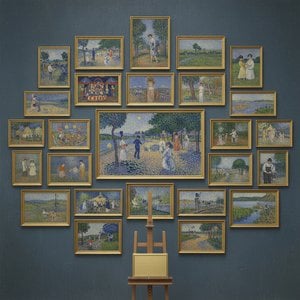
ジョルジュ・スーラの傑作25選。点描画の光と色彩、印象派から新印象派へ—WahooArtで美術史を紐解き、リビングやダイニングを彩る高品質なアートプリントを見つけましょう。セーラ作品集をオンラインで鑑賞ください。

Explore the life & work of George Hayter, Queen Victoria’s Principal Painter. Discover his iconic Victorian portraits, historical masterpieces, and lasting impact on British art history. Learn more at WahooArt.

Explore the life & art of Raja Ravi Varma, a pioneer who fused European techniques with Indian iconography. Discover his iconic paintings, lasting legacy, and influence on modern Indian art at WahooArt.

Explore the luminous world of Sir George Clausen, a leading British Impressionist painter. Discover his captivating scenes of Edwardian life, rural England & poignant war art. Learn about his legacy and find high-quality reproductions at WahooArt.
 設置イメージを表示
 シェアする
シェアする シェアする
シェアする
 詳細を見る
詳細を見る ガイドを表示

 ダウンロード
 似ている作品
 X線調査
X線調査 スライドショーを表示
 Q&A
Q&A
 統計情報
統計情報


 詳細を表示
詳細を表示









 ガラスオプションは、110cm未満のサイズでのみご利用いただけます。


