アート相談を無料で

x
手描き複製画を注文する 手描き複製画を注文する画像を 購入する 画像を 購入する シェアするシェアする
詳細を見る詳細を見る お気に入りに追加 お気に入りに追加 ダウンロードダウンロード 似ている作品似ている作品 X線X線 スライドショースライドショー

Flower Machine

Discover 'Flower Machine' by Gene Bernard Davis – a vibrant 1964 oil painting! Explore abstract expressionism & pop art influences in this large-scale, colorful striped masterpiece. Handmade reproductions available at WahooArt.com.

Explore the surreal & vibrant world of Gene Bernard Davis! Known for his 'Flower Machine' & evocative imagery, this artist blends nature & abstraction – a unique vision.

ジークレー/アートプリント

迅速な制作と多彩な仕上げオプションを備えた、ミュージアムクオリティのジークレーまたはキャンバスプリント。

P118B $10
P118H $10
P118W $10
P438Z $10
P508JH $12
P508YH $12
P805H $10
P805Z $10
P919BZ $10
P919G $10
P919XJ $10
P959ZH $10
P968JZ $12
W106C $8
W218G $10
W218JH $8
W218Y $10
W307PJ $10
W316G $10
W316PJ $8
W316Y $10
W398PJ $8
W4111J $10
W500HY $15
W500JH $15
W692G $12
W849H $8
W940BG $15
W953PJ $8

Standard
custom
CM
INCH

作品のオリジナル比率に合わせた、当店の規定サイズからお選びください。

高さ

特定のフレームやスペースに合わせて、ご自身でサイズを指定することも可能です。選択されたサイズが元の画像の比率と一致しない場合、作品をトリミングするか、鏡面反射または単色での塗りつぶしによって画像を拡張いたします。制作を開始する前に、ご確認用のデジタルモックアップをお送りいたします。
画面上のプレビューには、実際のトリミングや拡張は反映されませんのでご注意ください。最終的な構図を正確に確認できるのは、モックアップのみとなります。
カスタムサイズも承っておりますが、元の比率を維持するためには、あらかじめ用意されたリストからサイズを選択することをお勧めいたします。

世界中への配送()は、標準の4〜5週間ではなく、2週間でお届けいたします。(3 7月)

why_choose_icon
世界中へ無料エクスプレス配送
why_choose_icon
高品質なリネンキャンバス
why_choose_icon
配送時完全保険付
why_choose_icon
関税・輸入税の払い戻し保証
why_choose_icon
忠実な色彩再現保証
why_choose_icon
60日間返品保証(製造上の欠陥のみ)
why_choose_icon
100% 全額返金保証
why_choose_icon
まとめ買い割引のご案内

合計金額

-

reproduction

Flower Machine

ジークレー/アートプリント

複製画のサイズ

-

合計金額

-

作品詳細説明

The Flower Machine by Gene Bernard Davis is a captivating artwork that embodies the essence of modern art. Created in 1964, this large-scale painting measures 240 x 282 cm and is a testament to the artist's innovative style. As a leading online platform specializing in handmade oil paintings reproductions, https://WahooArt.com offers a unique perspective on this iconic piece.

Colorful Stripes and Vibrant Patterns

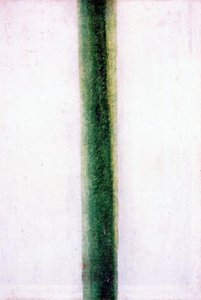
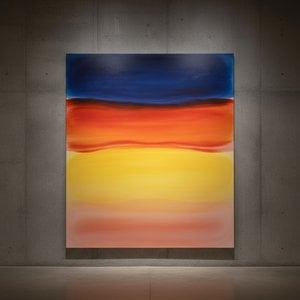
The Flower Machine features a colorful striped pattern with various colors such as red, yellow, blue, green, orange, pink, purple, black, white, and brown. This visually appealing arrangement of colors evokes feelings of joy and creativity, making it a standout piece in the world of modern art. The use of bold colors and geometric patterns is reminiscent of other notable artists, such as Piero Dorazio, who is known for his dynamic compositions like La ribambelle des gobelins.

Inspiration from Modern Art Movements

The Flower Machine draws inspiration from various modern art movements, including abstract expressionism and pop art. The painting's large scale and bold colors are characteristic of the abstract expressionist movement, while its use of geometric patterns and vibrant colors is reminiscent of pop art. Other notable artists, such as Bernard Safran, have also explored similar themes in their work, like the Buddha painting housed at the Smithsonian American Art Museum.
  • The Flower Machine is a unique piece that showcases Gene Bernard Davis' innovative style and technique.
  • The painting's use of colorful stripes and geometric patterns makes it a standout piece in the world of modern art.
  • https://WahooArt.com offers handmade oil paintings reproductions of famous artworks, including pieces by Piero Dorazio and Bernard Safran.
Discover more about the world of modern art and explore the works of renowned artists like Gene Bernard Davis, Piero Dorazio, and Bernard Safran on https://WahooArt.com. From Gene Bernard Davis' Flower Machine to other iconic pieces, our platform offers a unique perspective on the world of art.
Learn more about the Smithsonian American Art Museum and its collection of modern art pieces, including works by Bernard Safran and other notable artists.

関連作品


アーティストの略歴

Gene Bernard Davis: Pioneer of Vertical Stripe Painting

Gene Bernard Davis (1920 – 1985) stands as a singular figure in American Color Field painting, recognized primarily for his groundbreaking exploration of vertical stripe compositions—a technique that would become synonymous with the Washington Color School and profoundly influence subsequent generations of artists. Born in Brooklyn, New York, Davis’s artistic journey began modestly but swiftly ascended to prominence thanks to an unwavering dedication to color theory and a masterful manipulation of visual rhythm. Davis's formative years were marked by exposure to European avant-garde movements like Surrealism and Abstract Expressionism, particularly the work of Piet Mondrian and Josef Albers. These influences instilled in him a fascination with geometric abstraction and a belief that color could communicate emotion and intellect simultaneously—a conviction he would champion throughout his career. He pursued formal training at Yale University under Josef Albers, whose teachings on optical illusions and perceptual harmony deeply impacted Davis’s artistic sensibilities. Davis's artistic breakthrough arrived in 1953 with “Bay,” a monumental canvas executed in shades of blue that immediately established him as a visionary innovator. This piece exemplifies his signature style—a deliberate layering of horizontal and vertical stripes, meticulously calibrated to create an illusion of depth and movement. The stripe pattern itself wasn’t merely decorative; it was conceived as a tool for investigating the fundamental principles of color perception and exploring the relationship between pigment and surface texture. Subsequent works continued this exploration, delving into variations of blue, yellow, and red—often juxtaposed in striking combinations that captivated audiences and critics alike. His most celebrated achievement is arguably “Peeping Wall,” created in 1956. This artwork, characterized by its densely packed vertical stripes, embodies Davis’s commitment to pushing the boundaries of color abstraction. The piece's subtle shifts in hue and tonal variation contribute to a mesmerizing visual experience—one that invites contemplation on themes of perception, illusion, and the transformative power of artistic vision. It solidified his reputation as one of the foremost practitioners of Color Field painting and cemented his place within the canon of 20th-century art history. Davis’s legacy extends beyond his individual paintings; he served as an influential mentor to younger artists and championed a humanist approach to abstraction—one that prioritized emotional resonance alongside intellectual rigor. He instilled in them the importance of experimentation, observation, and a willingness to embrace unexpected discoveries. Gene Bernard Davis's unwavering pursuit of artistic excellence ensured that his contribution to Color Field painting would endure for decades to come, inspiring countless artists to explore the expressive potential of color and geometric form.
gene bernard davis

gene bernard davis

1920 - 1985

基本情報

  • Artistic Movement Or Style: Color Field Painting
  • Artists Or Movements Influenced By This Artist: ['Washington Color School']
  • Artists Who Influenced This Artist:
    • Barnett Newman
    • Helen Frankenthaler
  • Date Of Birth: 1920
  • Date Of Death: 1985
  • Full Name: Gene Bernard Davis
  • Nationality: American
  • Notable Artworks:
    • Bay
    • Peeping Wall
    • Two Part Blue
  • Place Of Birth: New York City, USA