x


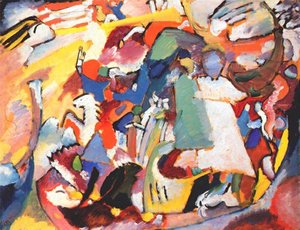
 PaintingCubism
 1975Modern
 87.0 x 114.0 cm
 Pinacoteca Universidad de Colima
迅速な制作と多彩な仕上げオプションを備えた、ミュージアムクオリティのジークレーまたはキャンバスプリント。 ( 手描きの絵画を購入 画像を購入)





























作品のオリジナル比率に合わせた、当店の規定サイズからお選びください。

特定のフレームやスペースに合わせて、ご自身でサイズを指定することも可能です。選択されたサイズが元の画像の比率と一致しない場合、作品をトリミングするか、鏡面反射または単色での塗りつぶしによって画像を拡張いたします。制作を開始する前に、ご確認用のデジタルモックアップをお送りいたします。
画面上のプレビューには、実際のトリミングや拡張は反映されませんのでご注意ください。最終的な構図を正確に確認できるのは、モックアップのみとなります。
カスタムサイズも承っておりますが、元の比率を維持するためには、あらかじめ用意されたリストからサイズを選択することをお勧めいたします。

The dance
複製画のサイズ

In the grand tapestry of Mexican modernism, few artists managed to weave together the structural rigor of European avant-garde with the soulful warmth of regional tradition as masterfully as Gabriel Portly Del Toro. Born in 1927 in the culturally rich landscape of Colima, Mexico, his life and work served as a bridge between the monumental social realism of the muralist movement and the fragmented, rhythmic beauty of Cubism. His artistic journey was not merely a pursuit of aesthetic perfection but a profound exploration of identity, where the geometric precision of modern art met the sun-drenched, folkloric essence of his homeland.
Portillo del Toro’s early years were deeply rooted in the textures of Colima, an environment that nurtured his initial appreciation for indigenous art forms and local folklore. This foundational connection to Mexican heritage would later become the heartbeat of his compositions. Seeking to refine this raw, intuitive talent, he pursued formal studies at the Universidad Nacional Autónoma de México (UNAM). It was within these hallowed halls that he encountered the towering shadows of legends like Diego Rivera and José Clemente Orozco. While he absorbed their commitment to art as a vehicle for national consciousness, Portillo del Toro chose a different path—one that moved away from strictly didactic social realism toward a more lyrical, abstract language of form and color.
As his style matured, the influence of Cubism became the defining architectural element of his oeuvre. Inspired by the revolutionary techniques of Picasso and Braque, he embraced the fragmentation of perspective, allowing him to depict multiple viewpoints within a single plane. Yet, unlike the often austere or intellectualized Cubism of Europe, Portillo del Toro infused his geometric compositions with a vibrant, pulsating energy. He utilized bold, deliberate strokes to define shapes, yet his brushwork remained fluid, breathing life into every canvas so that even the most structured forms seemed to vibrate with movement.
His subject matter often returned to the serene and the pastoral, finding extraordinary beauty in the everyday rhythms of Mexican life. His paintings frequently act as windows into sun-soaked moments, where the boundaries between humanity and nature dissolve:
Beyond the individual beauty of his canvases, Gabriel Portillo del Toro’s significance lies in his role as a transitional figure in Mexican art history. He proved that the revolutionary spirit of the muralists could be translated into a more personal, decorative, and abstract vocabulary without losing its cultural soul. His monumental murals, which adorned public spaces across Mexico, solidified his reputation as an artist capable of commanding large-scale narratives, while his smaller paintings offered a more intimate dialogue with the viewer.
Through his death in 2013, a significant chapter of Mexican modernism closed, yet his legacy remains vibrant. His work continues to resonate with collectors and scholars because it refuses to be categorized solely as either traditional or abstract. Instead, it exists in that magical, liminal space where the geometric precision of the modern age meets the eternal, sun-drenched spirit of Mexico. To look upon a Portillo del Toro painting is to witness a lasting dialogue between form and feeling, a legacy of color that continues to illuminate the history of Latin American art.

1927 - 2013 , Mexico

Find joy & inspiration! Explore 10 iconic artworks – Van Gogh, Monet, Renoir & more – that radiate happiness. Discover the stories behind these masterpieces and bring uplifting art into your home with museum-quality reproductions from WahooArt.com.
ルノワールの傑作25選🎨 印象派の光と色彩が輝く世界へ。絵画の背景、技法、そして時代を超えて愛される理由を紐解きます。WahooArtで高品質な複製画やインテリアアートを見つけ、お部屋に芸術的な彩りを✨ Explore the full collection online!

Explore the exquisite costume studies of Albert Kretschmer (1825-1891). Discover his detailed illustrations, influence on art history & connection to early Expressionism. Learn about collecting this remarkable artist's work.

Explore the life & art of Sir Nathaniel Dance-Holland, a leading Georgian portraitist. Discover his masterful technique, influential patrons, and lasting impact on 18th-century British society. A guide for discerning collectors.
アンリ・マティスの傑作25選🎨 色彩と情熱が織りなす世界を旅する。フォーヴィスム代表の巨匠、マティスの絵画の魅力と歴史を紐解きます。WahooArtで高品質なアートプリントや複製画を見つけ、インテリアに芸術的な輝きを✨ Explore the full collection online


最新の美術ニュース、限定オファー、そしてインテリアのアイデアをいち早くお届けします。
お客様のプロジェクトについてお聞かせください。当社の美術専門家が、お客様に合わせた3つのパーソナライズされた芸術提案をご提供いたします。
あなたにぴったりの3作品を無料で厳選いたします


 プレビュー
プレビュー
 シェアする
シェアする シェアする
シェアする
 詳細を見る
詳細を見る

 ダウンロード
 似ている作品
 X線調査
X線調査 スライドショー
 詳細を見る
詳細を見る









 ガラスオプションは、110cm未満のサイズでのみご利用いただけます。