

当社のアーティストが、お客様のご希望のサイズと額縁に合わせて、キャンバスに手描きで制作する油彩画です。 ( プリント版に切り替え デジタル画像販売へ切り替え)





























作品のオリジナル比率に合わせた、当店の規定サイズからお選びください。

特定のフレームやスペースに合わせて、ご希望のサイズをご入力いただけます。選択されたサイズが元の画像の比率と異なる場合、アートワークをトリミングするか、手描きで要素を追加して絵画を拡張いたします。デジタルモックアップ を制作し、制作開始前にご確認(承認)をいただきます。
画面上のプレビューは、実際のトリミングや拡張を正確に反映しているものではありません。最終的な構図は、モックアップによってのみ正確にご確認いただけます。
カスタムサイズもご利用いただけますが、元の比率を維持するためには、あらかじめ用意されたリストからサイズを選択することをお勧めいたします。

LA PELEUSE DE POMME
複製画サイズ一覧
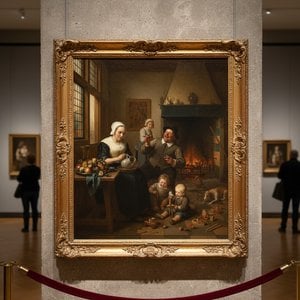
Gabriel Metsu’s “La Peleuse de Pomme,” painted circa 1660, stands as a quintessential example of Dutch Golden Age genre painting—a movement dedicated to portraying scenes from everyday life with remarkable accuracy and subtle psychological depth. More than just a depiction of an apple peeling ritual, this artwork encapsulates the values of industriousness, domestic harmony, and quiet contemplation that defined the era’s artistic sensibilities.
Painted during the height of the Dutch Golden Age (approximately 1640-1700), “La Peleuse de Pomme” reflects a broader artistic preoccupation with capturing the nuances of human experience within familiar surroundings. Metsu’s work draws inspiration from Nicolaes Maes, a fellow painter known for his similarly realistic depictions of domestic interiors and portraits. This stylistic convergence underscores the prevailing artistic conventions of the period—a commitment to portraying believable figures and environments against muted backgrounds.
Beyond its visual realism, “La Peleuse de Pomme” carries symbolic weight. The apple itself represents abundance and nourishment – a tangible reminder of the fruits of labor and the comforts of home. Simultaneously, the woman’s focused activity embodies industriousness and self-sufficiency—values highly esteemed in Dutch society during this era. Ultimately, Metsu's painting evokes a feeling of quiet contentment and contemplative observation, inviting viewers to appreciate the beauty found within the commonplace.
Gabriel Metsu (1629-1667) remains an enigmatic figure in Dutch art history. Despite producing relatively few paintings—only 14 survive—Metsu’s oeuvre demonstrates unparalleled skill in capturing psychological realism and conveying subtle emotional nuances. His dedication to meticulous observation and masterful technique cemented his place as one of the most influential artists of his time, ensuring “La Peleuse de Pomme” continues to resonate with audiences today.


1629 - 1667 , オランダ

Explore the Dutch Golden Age of painting! Discover key artists like Vermeer & ter Borch, their innovative techniques, and the rich cultural context behind these Baroque masterpieces. Learn about collecting & appreciating this iconic art period.

Discover the breathtaking beauty of Dutch Golden Age landscapes. Explore the mastery of light, chiaroscuro, and 17th-century realism through an expert art history lens, celebrating the enduring legacy of the Dutch Masters for discerning collectors and art lovers.

Explore the Dutch Golden Age of painting with WahooArt. Discover Rembrandt, Vermeer & other Masters. Learn about key characteristics, iconic artworks, and lasting influence. Expert insights for collectors & enthusiasts.

オランダ黄金時代の10大傑作を紐解く!レンブラント、フェルメール…バロック絵画の魅力と時代背景を深く探求。WahooArtで、至高のアートコレクションと空間演出のヒントを見つけよう。高品質なアートプリントで、お部屋を華やかに。
Explore the captivating world of Dutch Golden Age genre painting! Discover realistic depictions of daily life, masterful artists like Ostade & Metsu, and hidden symbolism. Learn about this influential art movement with WahooArt.

 設置イメージを確認
 送る
送る シェア
シェア
 詳細情報
詳細情報 ガイドを表示

 画像をダウンロード
 似ている作品
 X線調査
X線調査 スライドショー
 統計情報
統計情報

 続きを読む
続きを読む









 ガラスオプションは、110cm未満のサイズでのみご利用いただけます。


