迅速な制作と多彩な仕上げオプションを備えた、ミュージアムクオリティのジークレーまたはキャンバスプリント。 ( 手描きの絵画を購入 デジタル画像販売へ切り替え)





























作品のオリジナル比率に合わせた、当店の規定サイズからお選びください。

特定のフレームやスペースに合わせて、ご自身でサイズを指定することも可能です。選択されたサイズが元の画像の比率と一致しない場合、作品をトリミングするか、鏡面反射または単色での塗りつぶしによって画像を拡張いたします。制作を開始する前に、ご確認用のデジタルモックアップをお送りいたします。
画面上のプレビューには、実際のトリミングや拡張は反映されませんのでご注意ください。最終的な構図を正確に確認できるのは、モックアップのみとなります。
カスタムサイズも承っておりますが、元の比率を維持するためには、あらかじめ用意されたリストからサイズを選択することをお勧めいたします。

Thomas Ender
複製画のサイズ
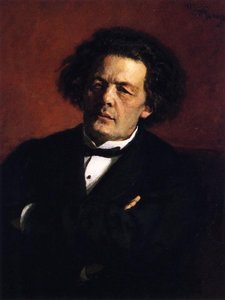
To stand before a portrait by Friedrich Ritter von Amerling is to step directly into the refined atmosphere of early nineteenth-century Vienna. This depiction of Thomas Ender, executed in 1831, transcends a mere likeness; it is a carefully constructed meditation on character and societal standing. The subject himself commands attention with an air of profound seriousness. Clad in the sober elegance of a black suit and tie, he holds a pipe—an accoutrement that has become as much a symbol in portraiture as the sitter himself. His gaze, directed outward toward the viewer, is not confrontational, but rather deeply contemplative, inviting us to peer into the quiet depths of his thoughts.
Amerling’s technical prowess shines through every visible brushstroke. The choice of oil on canvas allowed him to achieve a rich, velvety texture that lends an undeniable depth to the composition. Observe how the light plays across the contours of his face; it is not uniform, but rather selectively applied, highlighting certain planes and drawing the eye precisely where the artist intended. This adherence to academic realism, while maintaining an inherent grace, showcases Amerling’s ability to balance meticulous detail with an almost effortless elegance. The background elements—the visible clock on the wall, for instance—are subtly integrated, grounding the figure in a specific moment of time without ever distracting from the central narrative embodied by Ender.
The year 1831 places this work squarely within a period of significant cultural transition in Austria. Amerling, deeply rooted in the traditions of Viennese art, captured not just faces, but the very essence of the educated, established gentleman of the era. The inclusion of secondary figures in the periphery adds a layer of narrative complexity, suggesting that Ender exists within a larger social ecosystem—a world of polite society and intellectual exchange. These surrounding elements serve to contextualize the main subject, reminding us that even moments of intense personal thought occur against the backdrop of community life.
The pipe itself carries weight in this portraiture; it suggests habit, reflection, and perhaps a measured approach to life’s complexities. Coupled with his steady, thoughtful expression, the painting evokes a sense of quiet dignity. For the modern admirer, owning or displaying a reproduction of this piece is not merely an act of decoration, but an embrace of history itself—a connection to the enduring values of craftsmanship, intellectual depth, and refined taste that defined the Romantic era’s artistic zenith. It offers the viewer a moment of pause, urging them to consider their own inner contemplations.


1803 - 1887 , オーストリア

Explore the exquisite world of Victorian Realism. Discover how 19th-century masters captured unparalleled detail and emotion through oil painting, and learn to curate these timeless masterpieces for your luxury interior collection.

Discover the profound allure of oil on canvas. Explore the mastery of impasto textures, the science of pigment longevity, and expert guides to selecting museum-quality reproductions that elevate your collection with timeless elegance and tactile depth.


 プレビュー
プレビュー
 シェアする
シェアする シェアする
シェアする
 詳細を見る
詳細を見る

 ダウンロード
 似ている作品
 X線調査
X線調査 スライドショー
 統計情報
統計情報


 詳細を見る
詳細を見る









 ガラスオプションは、110cm未満のサイズでのみご利用いただけます。