
 73.0 x 98.0 cm
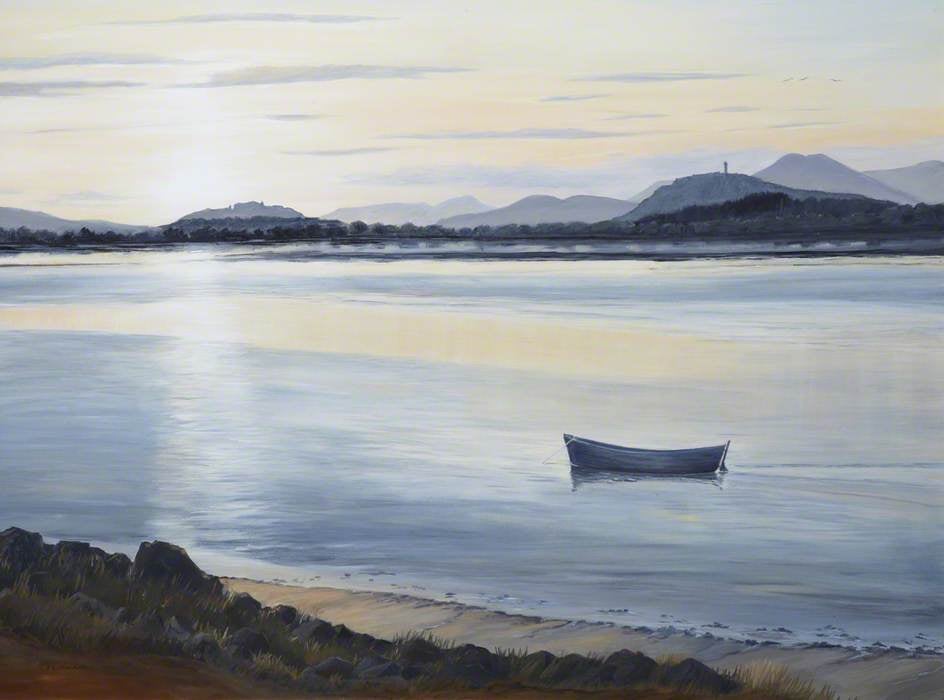
 Scottish Police College
当社のアーティストが、お客様のご希望のサイズと額縁に合わせて、キャンバスに手描きで制作する油彩画です。 ( プリント版に切り替え デジタル画像販売へ切り替え)
作品のオリジナル比率に合わせた、当店の規定サイズからお選びください。

特定のフレームやスペースに合わせて、ご希望のサイズをご入力いただけます。選択されたサイズが元の画像の比率と異なる場合、アートワークをトリミングするか、手描きで要素を追加して絵画を拡張いたします。デジタルモックアップ を制作し、制作開始前にご確認(承認)をいただきます。
画面上のプレビューは、実際のトリミングや拡張を正確に反映しているものではありません。最終的な構図は、モックアップによってのみ正確にご確認いただけます。
カスタムサイズもご利用いただけますが、元の比率を維持するためには、あらかじめ用意されたリストからサイズを選択することをお勧めいたします。

Stirling from River Forth
複製画サイズ一覧

Frieda E Marshall, a name synonymous with the atmospheric beauty of the British Isles, invites viewers into a world where history and nature converge through a delicate lens. Born circa 1950, Marshall has dedicated her artistic journey to capturing the soul of Scotland, particularly its rugged Highlands and storied landmarks. Her early fascination with the landscape was rooted in the majestic presence of sites such as Tulliallan Castle and Inverness Castle, locations that would eventually evolve from mere subjects into recurring motifs within her profound oeuvre. Through her work, the passage of time feels suspended, allowing the viewer to witness the enduring grandeur of a land shaped by both geological force and human heritage.
The mastery of Marshall’s technique lies in her ability to bridge the gap between meticulous realism and emotional resonance. Utilizing a command over both watercolor and oil paints, she employs subtle tonal variations to breathe life into her canvases. Her approach is never one of grand, sweeping gestures that overwhelm the eye; instead, she favors carefully observed perspectives that honor the quiet essence of her subjects. This method allows for a deep immersion into the textures of the Scottish terrain, where the soft light of dawn or the deepening shadows of dusk can be felt as much as they are seen. Her work is characterized by:
To understand the depth of Marshall’s aesthetic, one must look toward the traditions of mid-20th-century British landscape painting. Her artistic sensibilities were profoundly shaped by the legacies of masters such as Constable and Albert Pinkham Ryder. From Constable, she inherited a reverence for capturing the fleeting qualities of light and atmosphere, ensuring that her landscapes are never static but rather pulsing with environmental change. From the more emotive influences like Ryder, she draws a capacity to imbue even the most realistic depictions with a sense of palpable emotion and mystery.
This lineage is evident in her treatment of iconic structures like Dumbarton Rock and Linlithgow Palace. She does not merely document these architectural marvels; she seeks to convey their historical weight. By layering textures and manipulating light, Marshall transforms stone and mortar into vessels of memory, inviting the observer to contemplate the centuries of history embedded within the Scottish landscape. Her work serves as a bridge between the classical tradition of landscape observation and a more modern, emotive interpretation of place.
Over several decades of steady artistic development, Marshall has produced a prolific body of work that celebrates the enduring charm of Scotland. Her paintings, such as the serene Dunfermline Abbey, North Park, demonstrate an unwavering commitment to portraying the peace found within nature's quiet corners. Each piece acts as a window into a world where the historical and the natural are inextricably linked, creating a sense of continuity that resonates with collectors and art enthusiasts alike.
The significance of her contribution to contemporary landscape art lies in her ability to ground the viewer in the physical reality of the world while simultaneously lifting them into a state of contemplation. Through her meticulous attention to detail and her devotion to the subtle shifts of color and light, Frieda E Marshall has created a visual language that honors the past while remaining vibrantly present. Her landscapes remain more than just depictions of scenery; they are immersive experiences of heritage, beauty, and the timeless spirit of the Scottish wilds.

 設置イメージを確認
 送る
送る シェア
シェア
 詳細情報
詳細情報 ガイドを表示

 画像をダウンロード
 似ている作品
 X線調査
X線調査 スライドショー
 統計情報
統計情報 続きを読む
続きを読む






































 ガラスオプションは、110cm未満のサイズでのみご利用いただけます。


