

スピーディーな制作と多彩な仕上げオプションが魅力の、ミュージアムクオリティなジークレー・キャンバスプリント。 ( 手描きの複製画を注文する デジタル画像販売へ切り替え)





























作品のオリジナル比率に合わせた、当店の規定サイズからお選びください。

額縁や壁のスペースに合わせて、ご希望の幅と高さを入力してください。プリントはカットすることは可能ですが、元の画像より大きくすることはできないため、異なる比率のサイズを選択された場合は、画像の一部が欠けることになります。印刷を開始する前に、内容を確認していただくためのデジタルモックアップをお送りいたします。このページに表示されている画像は、実際のカット後の状態を示すものではありません。実際の仕上がりはモックアップにてご確認ください。
Weeping Coconuts
複製画サイズ一覧
In the quiet, evocative depths of Frida Kahlo’s 1951 masterpiece, "Weeping Coconuts", we encounter a world where the boundaries between the organic and the emotional dissolve. This painting is far more than a mere study of tropical fruit; it is a profound, surrealist meditation on the human condition. At first glance, the viewer is met with a vibrant still life, yet a closer gaze reveals a haunting transformation. The coconuts, rendered with a startlingly anthropomorphic quality, appear to possess eyes and mouths that weep, turning a mundane bowl of fruit into a vessel for profound grief. This unsettling imagery serves as a window into Kahlo’s inner landscape, where the physical pain of her lifelong medical struggles meets an unyielding spiritual strength.
The technique employed in this work showcases Kahlo’s mastery of oil on board. Her brushwork is a delicate balance of meticulous precision and expressive fluidity. She layers colors to create a luminous surface, allowing light to dance across the textures of the fruit, from the rough, earthy husiness of the coconuts to the smooth, bright skins of apples and oranges. This interplay of light and shadow does not merely define form; it breathes life into the inanimate. For collectors and lovers of fine art, this technical brilliance offers a captivating visual experience that commands attention, making it a centerpiece capable of anchoring any sophisticated interior with its depth and complexity.
To understand "Weeping Coconuts" is to understand the cultural and personal tapestry of Frida Kahlo. The painting is steeped in the symbolism of Mexicanidad, where elements of nature are often imbued with political and social significance. The coconut, a symbol of fertility and abundance in many Latin American traditions, is here presented in a state of vulnerability. By imbuing these fruits with the ability to mourn, Kahlo bridges the gap between the external world and her internal reality. The presence of skulls within the composition further reinforces the memento mori tradition, reminding the viewer of the cyclical nature of life, death, and the persistence of memory.
The emotional impact of the piece lies in its ability to transform suffering into something beautiful and enduring. As Kahlo navigated her final years, often accompanied by intense physical agony, her art became a way to transmute pain into a legacy of resilience. For an interior designer or a discerning collector, bringing a reproduction of this work into a space introduces a narrative of profound strength. It is a conversation piece that invites contemplation, offering a sense of soulful gravity and a reminder that even in our most vulnerable moments, there is a capacity for transformative beauty.
フリーダ・カーロ作「Weeping Coconuts」のDarkなパレットは、そのMelancholicな情緒的トーンと見事に調和しています。色彩は、作品が感情を伝えるための重要な要素の一つです。
Darkの色彩を纏ったフリーダ・カーロ作「Weeping Coconuts」は、Living Roomに飾るのがおすすめです。その色使いこそが、この提案の理由のひとつです。
「Weeping Coconuts」の全体的な明るさはdeep_shadowで、輝度はDarkです。

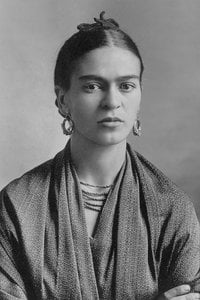
1907 - 1954 , メキシコ

Embark on a profound journey through Frida Kahlo's most iconic masterpieces. Discover the deep symbolism, Mexican heritage, and resilient spirit behind her legendary works in this expert art-historical exploration designed for true art enthusiasts.

Discover the profound allure of oil on canvas. Explore the mastery of impasto textures, the science of pigment longevity, and expert guides to selecting museum-quality reproductions that elevate your collection with timeless elegance and tactile depth.

 設置イメージを確認
 送る
送る シェア
シェア
 詳細情報
詳細情報 ガイドを表示

 画像をダウンロード
 似ている作品
 X線調査
X線調査 スライドショー
 統計情報
統計情報

 続きを読む
続きを読む









 ガラスオプションは、110cm未満のサイズでのみご利用いただけます。


