
迅速な制作と多彩な仕上げオプションを備えた、ミュージアムクオリティのジークレーまたはキャンバスプリント。 ( 手描きの絵画を購入 デジタル画像販売へ切り替え)





























作品のオリジナル比率に合わせた、当店の規定サイズからお選びください。

特定のフレームやスペースに合わせて、ご自身でサイズを指定することも可能です。選択されたサイズが元の画像の比率と一致しない場合、作品をトリミングするか、鏡面反射または単色での塗りつぶしによって画像を拡張いたします。制作を開始する前に、ご確認用のデジタルモックアップをお送りいたします。
画面上のプレビューには、実際のトリミングや拡張は反映されませんのでご注意ください。最終的な構図を正確に確認できるのは、モックアップのみとなります。
カスタムサイズも承っておりますが、元の比率を維持するためには、あらかじめ用意されたリストからサイズを選択することをお勧めいたします。

untitled (6964)
複製画のサイズ
In the profound and hauntingly beautiful untitled (6964), Frida Kahlo invites us into a psychological landscape where the boundaries between reality and dream dissolve. The painting presents a striking portrait of a woman—widely recognized as the artist herself—whose unwavering gaze pierces through the canvas to confront the viewer with an intensity that is both vulnerable and indomitable. Set against an ambiguous, lush backdrop that suggests the verdant depths of a tropical jungle or the isolated shores of a mysterious island, the composition focuses our attention on her solitary presence. This deliberate framing does more than just capture a likeness; it creates an intimate space for introspection, drawing the observer into a silent dialogue with the subject's inner world.
The mastery of Kahlo’s technique is evident in every meticulous brushstroke. Utilizing oil on canvas, she achieves a textural richness that breathes life into the foliage and skin alike. Her approach to Surrealism does not rely on the nonsensical, but rather on a heightened realism infused with fantastical elements to explore emotional truths. The color palette is a sophisticated study in contrasts; earthy tones of deep greens, rich browns, and warm ochres ground the piece in a naturalistic setting, yet these muted hues are punctuated by sudden, vibrant splashes of color. Whether found in the delicate details of her necklace or the subtle plumage of the birds that haunt the periphery of the frame, these accents serve to underscore the thematic tension between the stillness of the portrait and the wild, untamed energy of the environment.
To understand the emotional weight of this work, one must look toward the turbulent historical context of Kahlo’s own life. Painted in the wake of a lifetime defined by physical agony—most notably the devastating bus accident of 1925—the artwork serves as a testament to the transformative power of art. As Surrealism emerged from the global anxieties following World War I, Kahlo utilized the movement to grapple with her own trauma, turning her physical limitations into a source of boundless creative strength. The painting is not merely a depiction of a person, but a map of survival.
Every element within the frame is laden with symbolic significance. The woman’s direct, unblinking stare represents a profound courage, a refusal to look away from the complexities of suffering and existence. The presence of birds, positioned subtly within the composition, adds a layer of ethereal mystery, perhaps acting as messengers between the conscious and the subconscious realms. For collectors and interior designers alike, this piece offers more than just aesthetic beauty; it provides a focal point of immense character and intellectual depth. A high-quality reproduction of this masterpiece brings into a space a sense of timelessness and a powerful reminder of the human spirit's ability to find beauty amidst the most profound shadows.

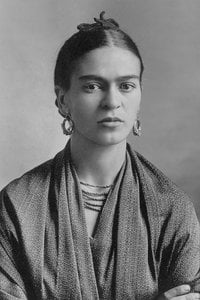
1907 - 1954 , メキシコ

Explore the profound impact of Mexican Muralism, a visual revolution born from social struggle. Delve into the monumental works of Rivera, Orozco, and Siqueiros, uncovering how these powerful frescoes redefined identity and ignited a lasting legacy of resistance in art history.

Embark on a profound journey through Frida Kahlo's most iconic masterpieces. Discover the deep symbolism, Mexican heritage, and resilient spirit behind her legendary works in this expert art-historical exploration designed for true art enthusiasts.

Embark on a journey through the subconscious with our expert guide to Surrealism. Discover the profound symbolism of masters like Dalí and Ernst, exploring how dreamlike imagery reshaped art history and continues to inspire collectors and enthusiasts worldwide.

Embark on a visual journey through the soul of Mexican art. Explore the profound legacy of muralism, folk traditions, and revolutionary masters like Rivera and Orozco in this deep cultural exploration of color, symbolism, and identity.

Discover the timeless elegance of hand-painted botanical art. From Impressionist florals to Victorian realism, elevate your luxury interiors with museum-quality oil reproductions and bespoke commissions curated by WahooArt's master artists.


 プレビュー
プレビュー
 シェアする
シェアする シェアする
シェアする
 詳細を見る
詳細を見る

 ダウンロード
 似ている作品
 X線調査
X線調査 スライドショー
 統計情報
統計情報

 詳細を見る
詳細を見る









 ガラスオプションは、110cm未満のサイズでのみご利用いただけます。


