設置イメージを確認 ARで壁に飾るイメージを見る プリント版に切り替え 手描きの複製画を注文する 送る
詳細情報 ガイドを表示 お気に入りに追加 画像をダウンロード 似ている作品 X線調査 スライドショー Q&A 統計情報

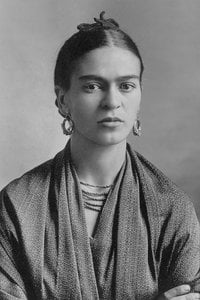
Self-Portrait 4

A surreal self-portrait by Frida Kahlo featuring a woman with a pencil mustache and multiple clocks, capturing the artist’s iconic style and poignant exploration of identity and pain. Discover this captivating artwork and bring its unique beauty into your space.

メキシコを代表する芸術家フリーダ・カーロ。自画像を通して、肉体的苦痛やアイデンティティを探求した作品は、鮮やかな色彩と象徴的な表現が特徴。 彼女の絵画は、女性の経験や文化への影響も示し、現代アートに多大な足跡を残しました。

ウェブ上のプレビューを遥かに凌駕する、印刷に最適なファイルをご提供します。当サイトで販売しているすべてのデジタル画像は、弊社のデータベース内にある高解像度のマスターデータ(通常、幅5,000〜15,000ピクセル)から作成されています。そのため、大判印刷やタイトなクロップ、細部まで緻密な再現も、安心してお楽しみいただけます。

当スタジオから送り出される画像は、すべて丁寧に加工されています。デジタルエキスパートが原画と照らし合わせて色調を精査し、必要に応じて補正を行った上で、プロ仕様のリタッチツールを用いて鮮明さと細部を向上させます。その際、アーティストの筆致やスタイルに忠実であることを常に追求しています。その結果、単なるスキャン画像にフィルターをかけたようなものではなく、まるで本物の絵画を見ているかのような仕上がりを実現しています。

仕上がりをご確認いただいてから完了となります。専門スタッフが、ご確認用の画像を72時間以内にメールでお送りいたします。もしご満足いただけない場合は、修正や改善のご要望を承るほか、品質が基準に満たない場合には返金も可能です。

出版社、デザインスタジオ、ギャラリー、そして印刷所から信頼される品質です。

デジタル画像

個人での鑑賞、印刷、クリエイティブなプロジェクトにご利用いただける高解像度ファイルをダウンロードできます。 ( プリント版に切り替え 手描きの複製画を注文する)

合計金額

¥ 3932.05

デジタル画像のご注文に付随する特典

プロフェッショナルなデジタル配信を、確かな品質で。

WahooArt.com を選ぶことは、単に画像を手に入れることではありません。プロの手によって精密に仕上げられ、満足保証が付いた高品質なデジタルアートワークを受け取ることを意味します。ご注文いただいた際に自動的に付随する内容は、以下の通りです:

メールですぐにお届け

ご注文から72時間以内に、高解像度のデジタル画像ファイルをメールでお送りいたします。お手元に届き次第、すぐにご利用いただけます。

AI技術で最適化されたデジタルファイル

お客様の作品は、高度なAI技術と専門家による手作業を組み合わせてプロフェッショナルに最適化されており、細部のディテール、鮮明さ、そして正確な色再現性を最大限に引き出しています。

一生涯無料の再送サービス

ファイルを誤って削除したり、紛失してしまったりしましたか?ご安心ください。いつでも無料で再送いたします。

輸入手数料は、いつでも一切かかりません

関税や手数料、配送料を気にすることなく、お気に入りのアートワークをすぐにお楽しみいただけます。デジタルダウンロードは常に免税です。

正確な色彩の保証

プロ仕様のツールとカラーマネジメント技術を用いることで、デジタル画像が元の色を最大限に忠実に再現することを保証いたします。

100日間満足保証

ご購入いただいたデジタル画像にご満足いただけない場合は、100日以内であれば、理由を問わず修正または100%の返金対応をさせていただきます。

100% 返金保証

ご満足いただけない場合は、デジタルファイルを受け取ってから100日以内であれば、理由を問わず全額返金いたします。

まとめ買い割引

3枚購入で10%OFF、5枚購入で15%OFF、10枚以上のご購入で20%OFF。クリエイティブなプロジェクトやギャラリー、エージェンシーに最適です。

作品情報

  • Year: 1954
  • Movement: Surrealism
  • Medium: Painting
  • Influences: Mexican Folk Art
  • Subject or theme: Identity, Pain

A Surreal Reflection: Unpacking Frida Kahlo’s “Self-Portrait 4”

Frida Kahlo's "Self-Portrait 4," painted in an unknown date, is a powerfully evocative work that plunges the viewer into the intensely personal and often unsettling world of one of art history’s most compelling figures. This particular self-portrait transcends mere representation; it’s a meticulously constructed tableau of pain, resilience, and a profound engagement with time itself. The subject, Frida herself, sits poised before us in a simple white dress, her gaze direct and unwavering – a characteristic feature of her oeuvre that demands an immediate connection.

  • The Iconography of Time: The presence of multiple clocks is undeniably the most striking element of the painting. Positioned strategically around Frida—one prominently on her right, another subtly in the upper left corner, and a smaller one near the bottom right – they immediately evoke themes of mortality, memory, and the relentless passage of time. This preoccupation with temporality was deeply rooted in Kahlo’s own life experiences, marked by chronic illness, surgeries, and periods of profound isolation. The clocks aren't simply decorative; they are potent symbols of her struggle to control her physical and emotional state within the constraints of a life often defined by suffering.
  • Surrealism and Personal Narrative: Kahlo’s work is frequently categorized as surrealist, though she herself resisted this label. Instead, it's more accurate to describe it as intensely personal symbolism. The inclusion of an airplane in the upper portion of the canvas adds another layer of complexity, suggesting a yearning for escape, a desire to transcend earthly limitations, or perhaps a commentary on the rapidly changing world around her. This juxtaposition of domesticity (the clock) with the expansive possibilities of flight creates a dynamic tension that is central to Kahlo’s artistic vision.

Technique and Materials: A Window into the Artist's Process

Executed in Kahlo’s signature style, “Self-Portrait 4” likely employs oil paints on canvas – a medium she favored throughout her career. Her meticulous brushwork is evident in the detailed rendering of Frida’s features, particularly her expressive eyes and the subtle textures of her dress. The use of color is restrained, dominated by muted tones that contribute to the painting's melancholic mood. Kahlo’s technique was characterized by a deliberate layering of paint, creating a rich impasto effect that adds depth and texture to the surface. This tactile quality invites close observation and encourages viewers to engage with the artwork on a physical level.

  • Mirroring Pain: The pencil mustache, a recurring motif in Kahlo’s self-portraits, is often interpreted as a symbol of her masculine side, her strength, or even a defiant gesture against societal expectations.
  • Precision and Detail: Kahlo's attention to detail—from the folds of her dress to the reflection in the clocks—demonstrates her commitment to capturing not just an image but also a feeling, a state of being.

Historical Context and Frida’s Legacy

"Self-Portrait 4" was created during a period of intense personal and artistic growth for Kahlo. Following her devastating bus accident in 1925, which left her with lifelong physical limitations and emotional trauma, she began to channel her pain and experiences into her art. Her work became a powerful form of self-expression, allowing her to confront her suffering head-on and to reclaim agency over her own narrative. Kahlo’s unflinching honesty and vulnerability have resonated deeply with audiences for decades, establishing her as an icon of female empowerment and artistic innovation.

  • A Voice for the Marginalized: Kahlo's work challenged conventional notions of beauty and femininity, offering a raw and authentic portrayal of a woman’s life.
  • Enduring Influence: Her influence can be seen in contemporary artists who continue to explore themes of identity, trauma, and resilience through their own creative practices.

Emotional Impact and Artistic Value

"Self-Portrait 4" is more than just a beautiful painting; it’s a profound meditation on the human condition. The artwork's unsettling yet captivating atmosphere invites viewers to contemplate questions of mortality, identity, and the nature of suffering. Its enduring power lies in its ability to connect with our deepest emotions and to remind us of the importance of embracing vulnerability and finding strength in adversity. This hand-painted reproduction offers a unique opportunity to own a piece of art history – a tangible connection to one of the 20th century’s most significant artistic voices.

よくあるご質問

フリーダ・カーロ作「Self-Portrait 4」 のプリントを購入するにはどうすればよいですか?

フリーダ・カーロ作「Self-Portrait 4」のプリントをご希望の方は、こちらのファインアートプリントページよりご注文いただけます:コットンキャンバスまたはアーカイブ品質のキャンバスペーパーに施されたファインアートプリント。

注文前にフリーダ・カーロ作「Self-Portrait 4」をプレビューすることはできますか?

「Self-Portrait 4」のプレビューページでは、ご注文前に作品をプレビューいただけます。

フリーダ・カーロ作「Self-Portrait 4」の明るさはどのように感じられますか?

フリーダ・カーロ作「Self-Portrait 4」の視覚的な明るさはbrightです。設置する空間の光の加減に合わせて調整することが可能です。


アーティスト・プロフィール

激動の人生と魂を映す絵画:フリーダ・カーロ

フリーダ・カーロ。メキシコの美術史において、そして世界中の人々の心に深く刻まれたその名は、単なる画家という枠を超え、苦難を乗り越え、自己を表現し続けた一人の女性の象徴として輝いている。1907年、メキシコシティ郊外のコヨアカンで生まれたフリーダは、幼少期から病と事故に見舞われながらも、その経験を糧に独自の芸術世界を築き上げていった。父ウィルヘルム・カーロが撮影した写真や、母マティルデ・カルデロン・イ・ゴンサレスとの愛情深い関係は、彼女の人生における重要な支柱となった。しかし、6歳でのポリオ罹患、そして18歳という若さで経験した自動車事故は、その後の人生を大きく左右することとなる。事故による重傷は、彼女に生涯にわたる身体的な苦痛と医療行為をもたらしたが、同時に絵を描くことへの情熱を燃え上がらせたのだ。「私はしばしば孤独だから、自分自身を描く。」フリーダの言葉が示すように、自画像は彼女の作品の中心であり、その魂の奥底を見つめ、自己の内面を探求する手段となった。

メキシコ文化と苦悩を織り交ぜた芸術

フリーダの絵画は、メキシコの伝統的な民俗文化から大きな影響を受けている。鮮やかな色彩、象徴的なモチーフ、そして力強い表現力は、彼女の作品を特徴づける要素だ。1929年に結婚したディエゴ・リベラとの激しい愛と別れ、数回の流産や手術といった個人的な苦悩もまた、彼女の芸術に深く反映されている。特に自画像においては、身体的な痛みや精神的な葛藤を率直かつ大胆に表現しており、その真摯な姿勢は見る者の心を強く揺さぶる。
  • 「棘のネックレスとハチドリ」では、肉体的苦痛を象徴する茨のネックレスが、希望を象徴するハチドリとの対比によって描かれ、複雑な感情が表現されている。
  • 「断片化された柱」は、事故による脊椎損傷を直接的に表し、身体的な苦痛と精神的な強さを同時に伝えている。
彼女の作品には、メキシコの伝統的な宗教画や民俗芸術の影響が見て取れる一方で、シュルレアリスムの要素も取り入れられており、その独自の表現は多くの人々を魅了してきた。

ディエゴ・リベラとの愛と芸術的影響

フリーダとディエゴの関係は、メキシコ美術界における一大ロマンスとして知られている。二人は互いに才能を認め合い、刺激しあいながら、芸術家としての道を歩み続けた。1929年の結婚から、その後の数十年間にわたって、二人の関係は愛と憎しみ、信頼と裏切りが入り混じった複雑なものであった。ディエゴの浮気や政治的な活動への関与は、フリーダに大きな苦痛を与えたが、同時に彼女の芸術的成長を促す原動力にもなった。ディエゴは、フリーダの作品に対する批評眼を持ち、彼女の才能を積極的に後押しした。また、メキシコ革命後のナショナリズムの高まりの中で、ディエゴが推進するメキシコ文化への回帰も、フリーダの芸術に影響を与えたと考えられる。1930年代には、ディエゴと共にアメリカ合衆国を訪れ、そこで経験した異文化との出会いもまた、彼女の作品に新たな視点をもたらした。

世界的な評価と現代への遺産

フリーダ・カーロは生前、メキシコ国内では一定の評価を受けていたものの、国際的にはそれほど知られていなかった。しかし、1970年代以降、フェミニズム運動の高まりとともに、彼女の作品は世界中で再評価され、その芸術的価値と社会的意義が広く認識されるようになった。1983年にヘイデン・ヘラーによって書かれた伝記は、フリーダの人生と芸術をより多くの人々に知らしめ、彼女をアイコンとして確立させた。今日、フリーダ・カーロは、メキシコを代表するアーティストの一人としてだけでなく、女性の自己表現、苦難からの再生、そして文化的なアイデンティティの探求という普遍的なテーマを体現する存在として、世界中の人々から愛され、尊敬されている。彼女の作品は、今もなお、私たちに勇気と希望を与え続けている。コヨアカンにある青い家(ラ・カーサ・アズール)は、フリーダの生家であり、現在では博物館として一般公開されており、多くの人々が訪れてその芸術と人生に触れている。
フリーダ・カーロ

フリーダ・カーロ

1907 - 1954 , メキシコ

略歴

  • フルネーム: マグダレナ・カルメン・フリーダ・カーロ・イ・カルデロン
  • 主な作品:
    • 二重のフリーダ
    • 茨のネックレスとハチドリの自画像
    • 壊れた柱
    • ヘンリー・フォード病院
  • 出生地: コヨアカン、メキシコシティ、メキシコ
  • 国籍: メキシコ人
  • 影響を与えたアーティストまたは運動:
    • キアノ美術
    • フェミニストアーティスト
  • 影響を受けたアーティスト:
    • メキシコ民芸家
    • ヨーロッパのルネサンス画家
  • 死亡年月日: 1954年7月13日
  • 生年月日: 1907年7月6日
  • 芸術運動またはスタイル: シュルレアリスム、フォークアート