
迅速な制作と多彩な仕上げオプションを備えた、ミュージアムクオリティのジークレーまたはキャンバスプリント。 ( 手描きの絵画を購入 デジタル画像販売へ切り替え)





























作品のオリジナル比率に合わせた、当店の規定サイズからお選びください。

特定のフレームやスペースに合わせて、ご自身でサイズを指定することも可能です。選択されたサイズが元の画像の比率と一致しない場合、作品をトリミングするか、鏡面反射または単色での塗りつぶしによって画像を拡張いたします。制作を開始する前に、ご確認用のデジタルモックアップをお送りいたします。
画面上のプレビューには、実際のトリミングや拡張は反映されませんのでご注意ください。最終的な構図を正確に確認できるのは、モックアップのみとなります。
カスタムサイズも承っておりますが、元の比率を維持するためには、あらかじめ用意されたリストからサイズを選択することをお勧めいたします。

La máscara
複製画のサイズ
To gaze upon Frida Kahlo's “La Máscara” is to enter a profound dialogue with vulnerability and the multifaceted nature of identity. Painted during the transformative years between 1945 and 1953, this work transcends simple portraiture to become an unflinching exploration of the human psyche. The composition centers on a figure characterized by striking purple hair, whose downward gaze suggests a heavy, palpable distress. As she clutches a ring upon her finger, the viewer is drawn into a moment of quiet, intense introspection. It is not merely a depiction of a woman in sorrow, but a masterful encapsulation of Kahlo’s ability to use the canvas as a mirror for her own internal landscape, where every brushstroke serves to unveil the layers of a soul navigating through profound existential weight.
The technical execution of the piece reflects the artist's mastery over Surrealist echoes and meticulous detail. Kahlo, while often resisting the rigid labels of the Surrealist movement, utilized dreamlike imagery and symbolic representation to bypass realistic boundaries. In “La Máscara,” she employs a deliberate oil paint application that captures subtle tonal variations and rich textural nuances, lending the surface a quality that feels simultaneously fragile and intensely expressive. Her signature style—marked by bold outlines and a flattened perspective—creates an unsettling yet captivating atmosphere. The palette is a sophisticated study in contrasts; muted, earthy tones provide a somber foundation, which is then punctuated by vibrant, electric splashes of purple, mirroring the emotional volatility of her subject matter.
Beyond its aesthetic allure, “La Máscara” is deeply rooted in the historical and personal context of Kahlo’s life. Painted during a period marked by significant physical hardship following a devastating bus accident that shattered her pelvis, the artwork serves as a conduit for processing trauma. The painting breathes with the influence of Mexican folklore and mythology, particularly themes of metamorphosis and duality. The downward gaze of the subject symbolizes an acceptance of suffering and a deep dive into the self, while the ring acts as a poignant personal detail, perhaps hinting at connections, commitments, or the cyclical nature of loss. For collectors and enthusiasts, the piece offers a window into the Mexicayotl movement's spirit, blending autobiographical truth with a universal exploration of pain and endurance.
For those looking to bring a sense of profound depth and conversation-starting elegance to an interior space, a high-quality reproduction of “La Máscara” offers more than just decoration. It provides an emotional anchor. Whether placed in a curated gallery setting or as a focal point in a modern living space, the painting’s ability to evoke empathy and wonder makes it an invaluable acquisition for anyone who appreciates art that speaks to the resilience of the human spirit. It is a piece that does not merely hang on a wall; it breathes life into the room, inviting all who see it to contemplate the beautiful, complex masks we all wear.

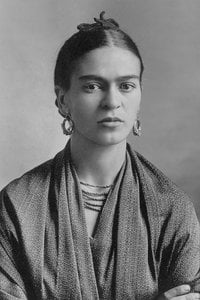
1907 - 1954 , メキシコ

Embark on a profound journey through Frida Kahlo's most iconic masterpieces. Discover the deep symbolism, Mexican heritage, and resilient spirit behind her legendary works in this expert art-historical exploration designed for true art enthusiasts.

Embark on a visual journey through the soul of Mexican art. Explore the profound legacy of muralism, folk traditions, and revolutionary masters like Rivera and Orozco in this deep cultural exploration of color, symbolism, and identity.

Explore the profound impact of Mexican Muralism, a visual revolution born from social struggle. Delve into the monumental works of Rivera, Orozco, and Siqueiros, uncovering how these powerful frescoes redefined identity and ignited a lasting legacy of resistance in art history.


 プレビュー
プレビュー
 シェアする
シェアする シェアする
シェアする
 詳細を見る
詳細を見る

 ダウンロード
 似ている作品
 X線調査
X線調査 スライドショー
 統計情報
統計情報

 詳細を見る
詳細を見る









 ガラスオプションは、110cm未満のサイズでのみご利用いただけます。


