

スピーディーな制作と多彩な仕上げオプションが魅力の、ミュージアムクオリティなジークレー・キャンバスプリント。 ( 手描き複製画を注文する デジタル画像販売へ切り替え)





























作品のオリジナル比率に合わせた、当店の規定サイズからお選びください。

額縁や壁のスペースに合わせて、ご希望の幅と高さを入力してください。プリントはカットすることは可能ですが、元の画像より大きくすることはできないため、異なる比率のサイズを選択された場合は、画像の一部が欠けることになります。印刷を開始する前に、内容を確認していただくためのデジタルモックアップをお送りいたします。このページに表示されている画像は、実際のカット後の状態を示すものではありません。実際の仕上がりはモックアップにてご確認ください。
Lost
複製画サイズ一覧
Frederick McCubbin's "Lost," painted in 1886, isn’t merely a depiction of the Australian outback; it’s a profound meditation on vulnerability, isolation, and the enduring pull of the wilderness. The painting immediately arrests the viewer with its muted palette – ochre yellows, dusty browns, and slate greys dominate, creating an atmosphere thick with both heat and impending storm. At the heart of the composition stands a young girl, her posture suggesting a hesitant step forward, a tentative exploration into a landscape that simultaneously offers beauty and threatens to swallow her whole. She’s not actively lost in the traditional sense; rather, she embodies a state of being adrift, a poignant symbol of innocence confronting the vastness and indifference of nature.
McCubbin's style is firmly rooted in the Heidelberg School movement, yet “Lost” transcends simple landscape painting. He employs a loose, expressive brushstroke – a hallmark of Impressionism – to capture not just the visual appearance of the scene but also its emotional resonance. The trees, rendered with a subtle blend of greens and browns, seem to lean inwards, creating a sense of enclosure and unease. The distant horizon is deliberately blurred, emphasizing the girl’s isolation and the overwhelming scale of the Australian interior. Notice how McCubbin masterfully uses light; it's diffused and melancholic, casting long shadows that heighten the painting’s somber mood.
The genesis of “Lost” is inextricably linked to a real-life tragedy: the disappearance of Clara Crosbie, a twelve-year-old girl, in the Yarra Valley in 1885. Local newspapers reported on her ordeal extensively, and McCubbin was deeply affected by the story. While the precise inspiration remains debated – some believe he directly painted from memory of the event, others suggest it sparked a broader contemplation of childhood vulnerability within the harsh Australian landscape – the painting undeniably carries the weight of this local legend. The girl’s attire—a simple dress and shawl—and her posture evoke a sense of quiet desperation, mirroring the accounts of Clara's ordeal.
Beyond the specific story, “Lost” taps into broader Australian folklore surrounding the bush – tales of lost children, dangerous wildlife, and the unforgiving nature of the land. It’s a narrative deeply embedded in the national psyche, reflecting anxieties about settlement, survival, and the relationship between humanity and the natural world. The painting speaks to a fundamental tension: the allure of the outback's beauty juxtaposed with its inherent dangers.
The symbolism within “Lost” is layered and subtly powerful. The girl herself represents innocence, vulnerability, and perhaps even a lost connection to childhood. Her solitary figure against the vast landscape underscores the insignificance of human existence in the face of nature’s immensity. The trees, traditionally symbols of strength and resilience, here seem almost menacing, guarding secrets and offering no comfort. Even the distant, hazy horizon suggests an uncertain future, a sense of being perpetually adrift.
McCubbin's masterful use of color and composition contributes significantly to the painting’s emotional impact. The muted tones evoke feelings of melancholy, loneliness, and quiet contemplation. The lack of vibrant colors reinforces the sense of isolation and vulnerability. “Lost” isn’t a visually dramatic work; its power lies in its understated portrayal of human emotion within a stark and unforgiving landscape. It invites viewers to contemplate their own relationship with nature, their place in the world, and the enduring mysteries of the Australian bush.
Reproductions of “Lost” capture the essence of McCubbin’s original vision while retaining a remarkable level of detail. When selecting a high-quality reproduction, consider the medium—canvas prints offer the most authentic representation of the painting's texture and color palette. The scale is also important; larger reproductions allow for a more immersive experience, drawing viewers into the painting’s evocative atmosphere. “Lost” would be an exceptional addition to any interior space, serving as a poignant reminder of Australia’s rich artistic heritage and the enduring beauty—and inherent challenges—of its landscape.
「Lost」の色調は、Earthyなパレットで構成されています。この分類は、主要な色相のグループを表しています。
フレデリック・マッカビン作「Lost」の色調は、Balanced Softな彩度を持っています。彩度とは、色の鮮やかさや落ち着きの度合いを表すものです。
フレデリック・マッカビン作「Lost」の真作は国立ギャラリー・オブ・ビクトリア, Melbourne, Australiaに所蔵されています。複製画(レプリカ)を用いることで、ご自宅でも作品をお楽しみいただけます。


1855 - 1917 , オーストラリア

Master the art of curation with our expert guide to collecting high-end stylistic reproductions. Discover how hand-painted oil masterpieces and bespoke commissions bring historical prestige and unparalleled texture to luxury interiors and professional design projects.
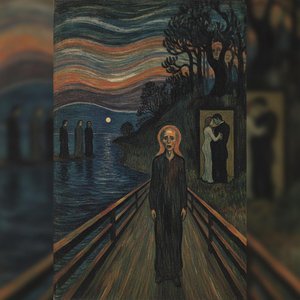
Journey through the raw emotion of Expressionism with our curated guide to Edvard Munch's top 25 masterpieces. Explore the stories behind his most iconic works and find museum-quality art reproductions for your collection. Discover all masterpieces on WahooArt.com.

Master the secrets of chiaroscuro, sfumato, and symbolism through expert analysis. Explore the profound power of light and shadow today.

Explore the profound emotional depth of German Romanticism and Caspar David Friedrich. Discover the sublime power of the soul today.
 設置イメージを表示
 シェアする
シェアする シェアする
シェアする
 詳細を見る
詳細を見る ガイドを表示

 ダウンロード
 似ている作品
 X線調査
X線調査 スライドショーを表示
 Q&A
Q&A
 統計情報
統計情報


 詳細を表示
詳細を表示









 ガラスオプションは、110cm未満のサイズでのみご利用いただけます。


