

スピーディーな制作と多彩な仕上げオプションが魅力の、ミュージアムクオリティなジークレー・キャンバスプリント。 ( 手描きの複製画を注文する デジタル画像販売へ切り替え)





























作品のオリジナル比率に合わせた、当店の規定サイズからお選びください。

額縁や壁のスペースに合わせて、ご希望の幅と高さを入力してください。プリントはカットすることは可能ですが、元の画像より大きくすることはできないため、異なる比率のサイズを選択された場合は、画像の一部が欠けることになります。印刷を開始する前に、内容を確認していただくためのデジタルモックアップをお送りいたします。このページに表示されている画像は、実際のカット後の状態を示すものではありません。実際の仕上がりはモックアップにてご確認ください。
Camel's Hump
複製画サイズ一覧
“Camel’s Hump,” painted in 1912 by Frederick McCubbin, is more than just a depiction of a mountain; it's a profound meditation on the evolving relationship between humanity and the vast, untamed landscapes of Australia. This iconic work, now housed within the National Gallery of Victoria, offers a captivating glimpse into the Heidelberg School’s artistic philosophy – a movement that sought to capture the essence of Australian life through direct observation and a deeply felt connection with the bush.
The painting immediately draws the eye with its harmonious composition. A meandering river snakes through a verdant valley, flanked by rolling hills culminating in the imposing silhouette of Camel’s Hump itself. The artist masterfully employs atmospheric perspective – softening distant details and utilizing subtle gradations of color to create a sense of depth and vastness. McCubbin's technique is distinctly Impressionistic, characterized by loose brushstrokes and an emphasis on capturing fleeting moments of light and shadow. He eschews meticulous detail in favor of conveying the overall mood and feeling of the scene – a quiet reverence for the natural world.
The choice of subject matter is particularly revealing. Camel’s Hump, with its distinctive twin peaks, has long held a place in Australian folklore and Indigenous storytelling. The Abenaki people, who first encountered the mountain, named it “Moziozagan,” meaning “moose’s shoulder,” reflecting its resemblance to a resting moose. Later European settlers adopted variations of this name – “The Resting Lion” and eventually, “Camel’s Hump” – highlighting the ongoing process of cultural interpretation and naming within Australia's evolving identity. McCubbin’s painting serves as a visual record of this landscape, imbued with a sense of both familiarity and mystery.
Beyond its local significance, Camel’s Hump represents a broader theme in McCubbin’s work: the pioneering spirit of Australia and the challenges faced by those who sought to carve out a life amidst the wilderness. The presence of a lone figure on the riverbank – likely a stockman or settler – subtly suggests this human element within the vast landscape, inviting contemplation about the individual's place in the Australian narrative.
The painting’s muted palette—dominated by earthy greens, browns, and blues—evokes a sense of tranquility and solitude. The light, diffused and soft, contributes to this feeling of peaceful contemplation. However, beneath the surface serenity lies a subtle undercurrent of melancholy – a recognition of the harsh realities of life in the bush and the enduring power of nature. McCubbin’s work often explores themes of isolation, loss, and the struggle for survival, reflecting the experiences of many early Australian settlers.
“Camel’s Hump” is not simply a landscape painting; it's a poignant portrait of a nation in transition. It encapsulates the Heidelberg School’s commitment to portraying authentic Australian life while simultaneously offering a profound reflection on the relationship between humanity and its environment. The work continues to resonate with viewers today, reminding us of the enduring beauty and complexity of the Australian bush.
フレデリック・マカビン作「Camel's Hump」の制作年は1912年です。
いいえ、作品は国外に保管されています。フレデリック・マカビンの出生国はオーストラリアであり、「Camel's Hump」の真作を収蔵している美術館はAustraliaにあります。
フレデリック・マカビン作「Camel's Hump」のX線解析ページは、X線写真のような表示を含む、作品画像の11層にわたる光学レイヤーをスライドして閲覧できるインタラクティブ・ビューアです。


1855 - 1917 , オーストラリア

Explore the captivating world of Frederick Goodall (1822–1904), a celebrated Victorian artist renowned for his detailed genre paintings and evocative Egyptian scenes. Discover his life, legacy & find high-quality reproductions at WahooArt.

Explore the luminous landscapes of John Frederick Kensett, a master of Luminism and key figure in the Hudson River School. Discover his serene paintings & enduring legacy with WahooArt.
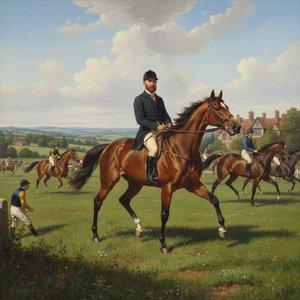
Explore the life & work of John Frederick Herring Sr., a leading Victorian equestrian artist. Discover his masterpieces, patronage, techniques & investment potential. Expert insights for collectors.
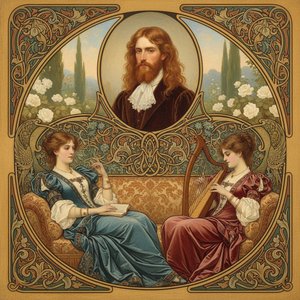
Explore the captivating world of Frederick Morgan, a key figure in Victorian Aestheticism. Discover his beautiful paintings, recurring themes, and lasting legacy with our expert analysis. Learn more today!

Explore the captivating Orientalist paintings of John Frederick Lewis! Discover his mastery of detail, genre scenes & influence on 19th-century British art. Learn about his life, techniques & legacy at WahooArt.

 設置イメージを確認
 送る
送る シェア
シェア
 詳細情報
詳細情報 ガイドを表示

 画像をダウンロード
 似ている作品
 X線調査
X線調査 スライドショー
 統計情報
統計情報


 続きを読む
続きを読む









 ガラスオプションは、110cm未満のサイズでのみご利用いただけます。


