

このページに掲載されている作品は著作権法によって保護されており、当社の許可なく同一の複製物を制作または販売することは法律で禁じられています。この保護は、以下のような国際条約に基づき執行されます。 ベルヌ条約 および、以下の条項に定められたものを含む各国の法律により、 米国著作権法 第17編。
敬意を払った法的な代替手段として、私たちはオリジナルにインスピレーションを与えられた、カスタムの手描きアートワークを提供しています。私たちの熟練したプロのアーティストは、元の作品が持つスタイル、情緒、そして芸術的なエッセンスを注意深く研究し、独自の創作物でありながら、同じ感性を呼び起こすような、新しくユニークな作品を作り上げます。
この手法は、著作権で保護された作品の複製や複写を伴わないため、著作権法に完全に準拠しています。これは単なる模倣ではなく、創造的な再解釈です。元の作品からインスピレーションを受けつつも、それとは異なる、全く新しい絵画を生み出すものです。
当社のアーティストが、お客様のご希望のサイズと額縁に合わせて、キャンバスに手描きで制作する油彩画です。 ( プリント版に切り替え デジタル画像販売へ切り替え)
作品のオリジナル比率に合わせた、当店の規定サイズからお選びください。

フレームや壁のスペースに合わせて、ご希望の幅と高さを入力してください。本作品は手描きのため、異なる比率のサイズをご希望の場合、絵画の周囲を少し広げて描くか、あるいは端を少しカットして調整することが可能です。お客様のご要望に合わせます。制作を開始する前に、仕上がりを確認するためのデジタルモックアップをお送りいたします。このページに表示されている画像は完成品の実物ではなく、あくまでモックアップによるイメージです。
Lionel Hampton
複製画サイズ一覧
「Lionel Hampton」のプレビューページでは、ご注文前に作品をプレビューいただけます。
「Lionel Hampton」に似た作品は、作品の似ている作品ページに掲載されています。
Frederick James Brown作「Lionel Hampton」は、Vividな色彩の強さを備えています。

Frederick James Brown (1945-2012) wasn’t merely a painter; he was a chronicler of the American spirit, a visual storyteller weaving together threads of history, spirituality, urban life, and the profound resonance of music. His canvases pulsated with color and energy, capturing not just likenesses but the very essence of his subjects – primarily jazz and blues musicians, alongside figures from religious and historical narratives. Born in Chicago and later establishing himself as a New York City-based artist, Brown’s work evolved over decades, reflecting a deep engagement with both the past and the present, resulting in a uniquely powerful and enduring body of art.
Brown's artistic journey began with a strong influence from European Expressionism, particularly the bold brushstrokes and emotional intensity of artists like Willem de Kooning, who became a mentor. This early exposure shaped his approach to color and form, encouraging him to prioritize feeling over strict representation. However, Brown quickly developed his own distinctive style, blending elements of abstraction with figurative portraiture. He wasn’t interested in simply replicating his subjects; instead, he sought to distill their spirit, their energy, and the stories they embodied onto the canvas. This is particularly evident in his numerous portraits of jazz legends like Lionel Hampton, where the musicians aren't just depicted, but seem to vibrate with the music they created.
Brown’s work consistently grappled with themes of history, religion, and narrative. He frequently incorporated historical figures – including portraits inspired by Frederick Douglass, a towering figure in the fight for abolition – into his compositions, suggesting connections between past struggles and contemporary realities. His fascination with religious iconography is also deeply interwoven throughout his oeuvre. The influence of Puritanism, stemming from his own upbringing, informed his use of symbolism and his exploration of moral questions. This isn’t to say that Brown's work is overtly didactic; rather, he invites viewers to contemplate the complexities of faith, justice, and human experience through carefully constructed visual narratives.
The urban landscapes that appear in many of his paintings – often rendered with a vibrant, almost chaotic energy – reflect his deep connection to New York City. These scenes aren’t simply depictions of buildings and streets; they are windows into the soul of a city teeming with life, struggle, and resilience. Brown masterfully captured the dynamism of urban environments, conveying both their beauty and their inherent contradictions.
Perhaps most renowned for his portraits of jazz and blues musicians, Brown elevated these figures to iconic status. He didn’t simply paint faces; he painted souls. His subjects – including luminaries like Charles Mingus, Nina Simone, and Dizzy Gillespie – are rendered with an astonishing level of detail and emotional depth. Brown's portraits capture the intensity of their performances, the weight of their experiences, and the profound impact they had on American culture. The use of bold colors, dynamic compositions, and expressive brushstrokes creates a sense of movement and energy that perfectly reflects the music these artists created.
Consider his painting of Lionel Hampton, featured prominently in WahooArt’s collection. The vibrant palette—a riot of reds, yellows, and blues—mirrors the joyous sound of Hampton's music. The composition itself is dynamic, suggesting movement and improvisation, mirroring the spontaneous nature of jazz performance. It’s a testament to Brown’s ability to translate musical experience into visual form.
Frederick James Brown’s work has been exhibited in major museums worldwide, including the Metropolitan Museum of Art, the Smithsonian American Art Museum, and the Kemper Museum of Contemporary Art. His paintings are held in prestigious collections, a testament to their enduring quality and artistic merit. His influence extends beyond the art world; he was recognized for his contributions to American culture and his commitment to social justice. Brown’s legacy lies not only in his stunning artwork but also in his ability to connect with viewers on an emotional level, prompting reflection on themes of history, faith, and the human spirit.
Brown's passing in 2012 left a void in the art world, but his work continues to resonate with audiences today. His paintings serve as powerful reminders of the rich cultural heritage of America and the enduring power of music to inspire and uplift.

1945 -

ジェームズ・マクニール・ホイストラーの至高の25選。ノクターン、印象派、美しい色彩に満ちた作品群を紐解きます。WahooArtで高品質なアートプリントとインテリアをお楽しみください。名画の世界へ – WahooArt.com

Experience art's raw power! Explore 10 iconic paintings – Van Gogh, Kahlo & more – that define 'bold'. Discover the stories behind these expressive masterpieces and find museum-quality reproductions for your home at WahooArt.com.

Explore 10 iconic paintings bathed in captivating sandy brown tones! From Rembrandt to Monet, discover the stories behind these timeless masterpieces & find museum-quality art reproductions for your home. Explore the full collection on WahooArt.com.
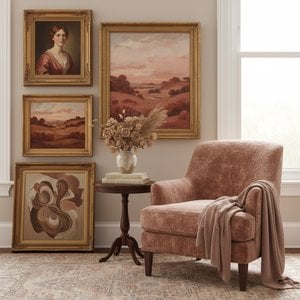
Explore 10 iconic paintings bathed in captivating rosy brown tones! From Rembrandt to Titian, discover the stories behind these masterpieces & their warm color palettes. Find museum-quality art reproductions and decor inspiration at .
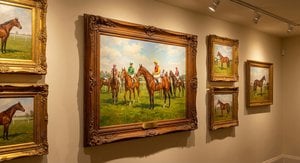
Explore 25 iconic Sir Alfred Munnings paintings! Discover the beauty of British Impressionism, equine art & rural England. Find museum-quality reproductions and elevate your home decor with WahooArt. Explore the full collection online.

 設置イメージを確認
 送る
送る シェア
シェア
 詳細情報
詳細情報 ガイドを表示

 画像をダウンロード
 似ている作品
 X線調査
X線調査 スライドショー
 統計情報
統計情報

 続きを読む
続きを読む






































 ガラスオプションは、110cm未満のサイズでのみご利用いただけます。


