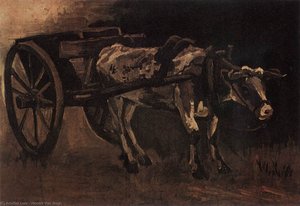
当社のアーティストが、お客様のご希望のサイズと額縁に合わせて、キャンバスに手描きで制作する油彩画です。 ( プリント版に切り替え デジタル画像販売へ切り替え)





























作品のオリジナル比率に合わせた、当店の規定サイズからお選びください。

特定のフレームやスペースに合わせて、ご希望のサイズをご入力いただけます。選択されたサイズが元の画像の比率と異なる場合、アートワークをトリミングするか、手描きで要素を追加して絵画を拡張いたします。デジタルモックアップ を制作し、制作開始前にご確認(承認)をいただきます。
画面上のプレビューは、実際のトリミングや拡張を正確に反映しているものではありません。最終的な構図は、モックアップによってのみ正確にご確認いただけます。
カスタムサイズもご利用いただけますが、元の比率を維持するためには、あらかじめ用意されたリストからサイズを選択することをお勧めいたします。

The Sentinel
複製画のサイズ
Frederic Remington's 1907 oil painting, *The Sentinel*, isn’t merely a depiction of a lone figure against a rugged landscape; it’s a profound meditation on solitude, vigilance, and the enduring spirit of the American West. Painted during a pivotal moment in the nation’s westward expansion, this work captures a palpable sense of unease and quiet strength, reflecting both the romanticized ideals of frontier life and the inherent dangers lurking within its vastness. The painting immediately draws the eye to the central figure – a weathered man, his face etched with years spent under the relentless sun, standing beside a massive wagon wheel. His posture is one of unwavering watchfulness, his hand instinctively resting near a rifle, suggesting a constant readiness against an unseen threat.
Frederic Remington (1861–1909) was arguably the most influential artist of his time to capture the essence of the American West. Born in New York, he developed a fascination with military themes and frontier life through childhood stories and his family's connections to the Remington Arms Company. Unlike many artists who simply painted picturesque landscapes, Remington sought to document the realities of the West – its cowboys, Native Americans, soldiers, and the challenges they faced. *The Sentinel* exemplifies this approach; it’s not a glamorous portrait of heroism but rather a realistic portrayal of a man tasked with guarding against an unknown danger in a harsh environment. His work was deeply rooted in observation and research, often involving extensive travel and immersion in the lives of those he depicted.
Remington's style is characterized by bold brushstrokes, rich colors, and a dynamic sense of movement. He employed a technique known as “lost-edge” blending, creating an illusion of depth and texture that lends itself perfectly to capturing the ruggedness of the landscape and the weathered appearance of his subjects. The painting’s composition—the stark contrast between the dark wagon wheel and the muted tones of the background—immediately establishes a sense of drama and foreboding.
The symbolism within *The Sentinel* is layered and open to interpretation. The wagon, with its enormous wheels, represents both progress and confinement – a symbol of westward expansion but also a reminder of the limitations imposed by the landscape. The man’s rifle isn't simply a tool for defense; it embodies his responsibility, his vigilance, and perhaps even a sense of isolation. The dark, shadowed background hints at an unseen threat, suggesting the dangers inherent in frontier life – not just from external enemies but also from the loneliness and hardship of existence.
Notably, the figure’s posture and gaze are directed towards the horizon, implying a constant awareness of the vastness surrounding him. This reinforces the theme of isolation—a feeling deeply embedded within the American West experience. The painting subtly evokes a sense of melancholy, reflecting the sacrifices made in pursuit of opportunity and the price paid for venturing into uncharted territory.
*The Sentinel* remains one of Frederic Remington’s most iconic works, celebrated for its evocative depiction of the American West. Reproductions offer a remarkable way to bring this powerful image into any space, allowing viewers to experience the painting's dramatic composition and emotional depth. When selecting a reproduction, consider the quality of materials used – archival inks on museum-quality canvas will ensure that the colors remain vibrant for generations to come. This artwork serves as a poignant reminder of a bygone era—a testament to the resilience, determination, and inherent loneliness of those who shaped the American West.


1861 - 1909 , アメリカ合衆国

Explore the profound artistry of black and white photography. From historical mastery to the interplay of light and shadow, discover how monochrome captures timeless emotion and form through a sophisticated lens of art history.

Explore the profound emotional depth of documentary photography art. Discover how collectors curate powerful historical narratives through museum-quality black and white prints and fine art reproductions that preserve humanity's most resilient moments.

Elevate your most cherished memories with WahooArt’s bespoke service. We transform your personal photos into breathtaking, hand-painted black & white oil masterpieces. Experience museum-quality craftsmanship and timeless elegance for your private collection. Discover the art of legacy.


 プレビュー
プレビュー
 シェアする
シェアする シェアする
シェアする
 詳細を見る
詳細を見る

 ダウンロード
 似ている作品
 X線調査
X線調査 スライドショー
 統計情報
統計情報


 詳細を見る
詳細を見る









 ガラスオプションは、110cm未満のサイズでのみご利用いただけます。