Oil On CanvasWallArtAmerican West Painting
 1889
1889 86.0 x 124.0 cm
 Amon Carter Museum of American Art
オンラインプレビューをはるかに凌ぐ、高解像度で鮮明なデジタル画像をご購入いただけます。
各ファイルは、社内の専門家が高度なツールと熟練した手作業によるレタッチを用いて、細心の注意を払って準備されています。すべての画像において、卓越した鮮明度、正確な色彩再現性、そして繊細なディテールを保証いたします。
最終ファイルは、プロフェッショナルな編集・印刷環境ですぐにご利用いただけるよう最適化された状態で、72時間以内にメールにてお届けいたします。これは、一流のデザインスタジオ、出版社、ギャラリーから信頼されているものと同等の品質です。
個人での鑑賞、印刷、クリエイティブなプロジェクト用に、高解像度ファイルをダウンロードできます。 ( プリント版に切り替え 手描きの絵画を購入)
WahooArt.com を選ぶことは、単に画像を手に入れることではありません。それは、プロの手によって精密に仕上げられ、満足保証が付いた高品質なデジタルアートワークを受け取ることを意味します。ご注文いただいた際に自動的に付随する内容は、以下の通りです:

ご注文から72時間以内に、高解像度のデジタル画像ファイルがメールでお手元に届きます。すぐにそのままご利用いただけます。

お客様の作品は、高度なAIツールと専門家による手作業の編集を組み合わせてプロフェッショナルに最適化されており、細部のディテール、鮮明さ、そして正確な色再現性を最大限に引き出しています。

ファイルを誤って削除したり、紛失してしまったりしましたか?ご安心ください。いつでも無料で再送いたします。

関税や手数料、配送料を気にすることなく、お気に入りのアートワークをすぐにお楽しみいただけます。デジタルダウンロードは常に免税です。

プロ仕様のツールとカラーマネジメント技術を用いることで、デジタル画像が元の色を最大限に忠実に再現することを保証いたします。

ご購入いただいたデジタル画像にご満足いただけない場合は、100日以内であれば、理由を問わず修正または100%の返金対応をさせていただきます。

ご満足いただけない場合は、デジタルファイルを受け取ってから100日以内であれば、理由を問わず全額返金いたします。

3枚購入で10%OFF - 5枚購入で15%OFF - 10枚以上購入で20%OFF。クリエイティブなプロジェクト、ギャラリー、エージェンシーに最適です。
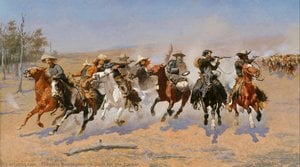
Frederic Remington’s “An Indian Trapper,” painted in 1889, isn't merely a portrait; it’s a carefully constructed narrative of the fading frontier and the complex relationship between European settlers and Native Americans. Born in Canton, New York, in 1861 – a place far removed from the landscapes he would immortalize – Remington initially sought a military career but found his true calling in capturing the spirit of the American West through art. This particular painting, created after his travels to Alberta, Canada, reflects a period of profound change and increasing tension as the vast territories were rapidly being claimed by white settlers.
The scene unfolds with remarkable detail against a backdrop of rugged, snow-dusted mountains – a quintessential vista of the Canadian Rockies. At the center stands a Native American man, identified often as a Cree or Blackfoot warrior, mounted on horseback and expertly maneuvering his mount through the challenging terrain. His attire—a traditional headdress, buckskin clothing, and a rifle slung across his back—immediately anchors him within this specific cultural context. Remington’s meticulous rendering of the horse, its powerful muscles straining with effort, underscores the vital role of animals in Native American life and their mastery of the wilderness.
Remington was a master of realism, meticulously documenting the details of his subjects – from the weathered texture of the man’s clothing to the intricate patterns of the headdress. However, “An Indian Trapper” transcends simple representation; it’s imbued with a romantic sensibility characteristic of Remington's work. The dramatic lighting—a strong contrast between light and shadow—heightens the sense of adventure and emphasizes the rugged beauty of the landscape. Notice how the artist uses loose brushstrokes to convey movement and energy, particularly in the horse’s stride and the man’s determined posture.
The painting's composition is carefully balanced, drawing the viewer’s eye across the scene. The figure dominates the foreground, while the distant mountains create a sense of scale and emphasize the vastness of the territory. Remington employed oil paints on canvas, utilizing layering techniques to achieve depth and texture. His use of color—earth tones punctuated by flashes of white snow—further enhances the painting’s realism and evokes the harsh beauty of the Western landscape.
“An Indian Trapper” is more than just a depiction of an individual; it's a visual statement about the era. The title itself suggests a figure caught between two worlds – a skilled hunter and tracker, yet also a participant in a rapidly changing society. The painting was initially conceived during Remington’s sketching expedition to Alberta, where he sought to document the lives of Native Americans before they were largely displaced by settlers. It's important to note that Remington’s portrayal, while detailed, has been subject to criticism for potentially perpetuating stereotypes about Native American culture.
However, considering the context of the late 19th century, when westward expansion was accelerating and Native American tribes were facing increasing pressure, “An Indian Trapper” offers a valuable glimpse into a vanishing way of life. The painting’s inclusion in *Harper's Monthly Magazine* in 1891 further cemented its place as a significant representation of the West during that period, sparking debate and discussion about the future of Native American communities.
Looking at “An Indian Trapper” today, one is struck by its powerful sense of adventure and resilience. The figure’s determined gaze and confident posture convey a spirit of independence and mastery over his environment. The painting evokes a feeling of both admiration for the Native American warrior and a poignant awareness of the impending loss of their traditional way of life. It remains a compelling testament to Frederic Remington's skill as an artist and his enduring fascination with the American West – a landscape forever shaped by conflict, exploration, and transformation.


1861 - 1909 , アメリカ合衆国


 プレビュー
プレビュー
 シェアする
シェアする シェアする
シェアする
 詳細を見る
詳細を見る ガイド
ガイド

 ダウンロード
 似ている作品
 X線調査
X線調査 スライドショー
 統計情報
統計情報 詳細を見る
詳細を見る