設置イメージを確認 ARで壁に飾るイメージを見る 手描きの複製画を注文する デジタル画像販売へ切り替え 送る
詳細情報 ガイドを表示 お気に入りに追加 画像をダウンロード 似ている作品 X線調査 スライドショー 統計情報

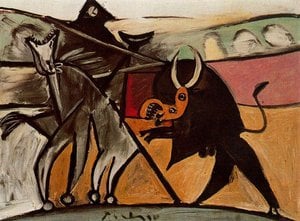
Two Sheep

Franz Marc's "Two Sheep" captures the spirit of German Expressionism with vibrant colors and dynamic movement. Explore this iconic painting depicting animals and a human figure, reflecting Marc’s spiritual quest through nature.

マルクはドイツ表現主義を代表する画家。動物を象徴的に描いた「青い馬の塔」など、鮮やかな色彩と精神性を融合させた作品が特徴。 ブルーライダーグループの創設者として、近現代美術に大きな影響を与えました。

ジークレー/アートプリント

スピーディーな制作と多彩な仕上げオプションが魅力の、ミュージアムクオリティなジークレー・キャンバスプリント。 ( 手描きの複製画を注文する デジタル画像販売へ切り替え)

Corner sample of the P118B picture frame: 成型ポリスチレン, 5 cm wide and 3 cm thick
P118B ¥10
Corner sample of the P118H picture frame: 成型ポリスチレン, 5 cm wide and 3 cm thick
P118H ¥10
Corner sample of the P118W picture frame: 成型ポリスチレン, 5 cm wide and 3 cm thick
P118W ¥10
Corner sample of the P438Z picture frame: 成型ポリスチレン, 5.5 cm wide and 3.5 cm thick
P438Z ¥10
Corner sample of the P508JH picture frame: 成型ポリスチレン, 7 cm wide and 3.5 cm thick
P508JH ¥12
Corner sample of the P508YH picture frame: 成型ポリスチレン, 7 cm wide and 3.5 cm thick
P508YH ¥12
Corner sample of the P805H picture frame: 成型ポリスチレン, 5 cm wide and 3.5 cm thick
P805H ¥10
Corner sample of the P805Z picture frame: 成型ポリスチレン, 5 cm wide and 3.5 cm thick
P805Z ¥10
Corner sample of the P919BZ picture frame: 成型ポリスチレン, 7 cm wide and 3.5 cm thick
P919BZ ¥10
Corner sample of the P919G picture frame: 成型ポリスチレン, 7 cm wide and 3.5 cm thick
P919G ¥10
Corner sample of the P919XJ picture frame: 成型ポリスチレン, 7 cm wide and 3.5 cm thick
P919XJ ¥10
Corner sample of the P959ZH picture frame: 成型ポリスチレン, 5 cm wide and 3 cm thick
P959ZH ¥10
Corner sample of the P968JZ picture frame: 成型ポリスチレン, 6 cm wide and 4 cm thick
P968JZ ¥12
Corner sample of the W106C picture frame: 天然木, 5 cm wide and 3 cm thick
W106C ¥8
Corner sample of the W218G picture frame: 天然木, 5 cm wide and 3 cm thick
W218G ¥10
Corner sample of the W218JH picture frame: 天然木, 5 cm wide and 3 cm thick
W218JH ¥8
Corner sample of the W218Y picture frame: 天然木, 5 cm wide and 3 cm thick
W218Y ¥10
Corner sample of the W307PJ picture frame: 天然木, 6 cm wide and 3 cm thick
W307PJ ¥10
Corner sample of the W316G picture frame: 天然木, 6 cm wide and 3 cm thick
W316G ¥10
Corner sample of the W316PJ picture frame: 天然木, 6 cm wide and 3 cm thick
W316PJ ¥8
Corner sample of the W316Y picture frame: 天然木, 6 cm wide and 3 cm thick
W316Y ¥10
Corner sample of the W398PJ picture frame: 天然木, 5 cm wide and 3 cm thick
W398PJ ¥8
Corner sample of the W4111J picture frame: 天然木, 6.5 cm wide and 3.5 cm thick
W4111J ¥10
Corner sample of the W500HY picture frame: 天然木, 7 cm wide and 5 cm thick
W500HY ¥15
Corner sample of the W500JH picture frame: 天然木, 7 cm wide and 5 cm thick
W500JH ¥15
Corner sample of the W692G picture frame: 天然木, 8 cm wide and 4 cm thick
W692G ¥12
Corner sample of the W849H picture frame: 天然木, 5 cm wide and 3 cm thick
W849H ¥8
Corner sample of the W940BG picture frame: 天然木, 7.5 cm wide and 4.5 cm thick
W940BG ¥15
Corner sample of the W953PJ picture frame: 天然木, 6 cm wide and 3.5 cm thick
W953PJ ¥8

標準サイズ
カスタムサイズ
CM
INCH

作品のオリジナル比率に合わせた、当店の規定サイズからお選びください。

横幅
高さ

額縁や壁のスペースに合わせて、ご希望の幅と高さを入力してください。プリントはカットすることは可能ですが、元の画像より大きくすることはできないため、異なる比率のサイズを選択された場合は、画像の一部が欠けることになります。印刷を開始する前に、内容を確認していただくためのデジタルモックアップをお送りいたします。このページに表示されている画像は、実際のカット後の状態を示すものではありません。実際の仕上がりはモックアップにてご確認ください。

世界中への配送()は、標準の4〜5週間ではなく、2週間でお届けいたします。(25 10月)

世界中へ無料エクスプレス配送
高品質なリネンキャンバス
配送時完全保険付
関税・輸入税の払い戻し保証
忠実な色彩再現の保証
100日間返品保証(製造上の欠陥がある場合のみ)
100% 全額返金保証
まとめ買い割引のご案内

合計金額

¥ 10712

Two Sheep

ジークレー/アートプリント

複製画サイズ一覧

-

合計金額

¥ 10712

作品情報

  • Title: Two Sheep
  • Artistic style: Vibrant colors, abstraction
  • Notable elements: Animal forms, movement
  • Artist: Franz Marc

アート・クイズ

各質問の正解は1つだけです。

問題 1:
Franz Marc’s ‘Two Sheep’ primarily reflects which artistic movement?
問題 2:
The prominent use of bright, saturated colors in ‘Two Sheep’ is most characteristic of which artistic approach?
問題 3:
Considering the context of Franz Marc's life and work, what is a likely interpretation of the animals’ gaze in ‘Two Sheep’?
問題 4:
Based on the image description, what is a key element contributing to the painting’s sense of movement and energy?
問題 5:
Franz Marc was a key figure in which artistic circle?

A Moment of Serene Intensity: Franz Marc's "Two Sheep"

Franz Marc’s “Two Sheep,” painted in 1913, isn’t merely a depiction of animals; it’s a profound exploration of the spiritual essence of life as perceived through the lens of early Expressionism. This work, rendered with Marc's signature vibrant palette and deeply emotive brushwork, transcends simple representation to become a meditation on instinct, connection, and the inherent beauty found within the natural world. The painting immediately draws the viewer in with its bold use of color – deep blues and greens dominate, punctuated by earthy browns and ochres—creating an atmosphere both tranquil and subtly charged.

The composition itself is deceptively simple. Two sheep stand side-by-side, their forms rendered with a loose, almost childlike quality that speaks to Marc’s desire to strip away the complexities of human perception and access a more primal understanding. They gaze outwards, seemingly lost in contemplation or perhaps anticipating an unseen event. The inclusion of a solitary figure in the background, partially obscured by the landscape, adds a layer of mystery – is this a shepherd observing his flock, or a representation of humanity’s relationship with nature? The sheep's posture and direct gaze invite us to share their silent awareness, fostering a sense of empathy and connection.

The Roots of Expressionism: Marc’s Spiritual Quest

Franz Marc’s artistic journey was deeply intertwined with his spiritual beliefs. Initially influenced by his father’s landscape painting, he later found himself grappling with questions of faith and existence, a period that profoundly shaped his work. His encounter with Vincent van Gogh's expressive use of color proved particularly transformative, igniting within him a desire to capture not just the appearance of things but also their underlying emotional resonance. Marc sought to translate this inner experience onto canvas, believing that art could serve as a conduit for spiritual insight – a way to access and communicate the fundamental truths of life.

The painting’s context within the broader artistic landscape is crucial to understanding its significance. “Two Sheep” was created during a period of intense experimentation and innovation in German art, particularly within the circle of Der Blaue Reiter (The Blue Rider). This group, comprised of artists like Wassily Kandinsky and August Macke, sought to break free from traditional academic conventions and explore new ways of representing the world. Marc’s work exemplifies this spirit of rebellion, prioritizing emotional expression over realistic depiction. The use of flattened perspective, simplified forms, and intense color harmonies are hallmarks of Expressionism, aiming to evoke a specific mood or feeling rather than simply mirroring reality.

Color as Soul: Marc's Palette and Technique

Marc’s mastery lies not just in his subject matter but also in his extraordinary command of color. He employed a technique known as “color-forms,” where shapes are defined primarily by their hue rather than precise outlines. This approach creates an almost dreamlike quality, blurring the boundaries between objects and imbuing them with symbolic weight. The blues and greens evoke feelings of serenity, introspection, and connection to nature – while the earthy tones ground the scene in a sense of earthly reality.

His brushwork is equally expressive, characterized by loose, gestural strokes that convey movement and energy. Marc wasn’t interested in meticulously rendering every detail; instead, he prioritized capturing the essence of his subjects—their spirit, their vitality. The painting feels alive, imbued with a sense of quiet intensity. The layering of colors creates depth and luminosity, drawing the viewer into the scene and inviting them to contemplate the sheep's silent world.

A Legacy of Spiritual Vision

“Two Sheep” remains a powerful testament to Franz Marc’s artistic vision. It is more than just a painting of animals; it’s an invitation to connect with the deeper rhythms of nature and to contemplate the mysteries of existence. Reproductions of this work, meticulously crafted by WahooArt.com, offer a remarkable opportunity to experience the emotional depth and spiritual resonance of Marc's masterpiece in your own home or studio. The vibrant colors and expressive brushwork are faithfully reproduced, allowing you to immerse yourself in the artist’s unique perspective and appreciate the enduring beauty of this iconic work.

よくあるご質問

フランツ・マルク作「Two Sheep」 の複製画は、どこに飾るのが最適でしょうか?

フランツ・マルク作「Two Sheep」のLandscape形式は、Living Roomに飾る際におすすめです。作品の形式と空間の調和が、複製画を配置する際の指針となります。

フランツ・マルク作「Two Sheep」の色味の強さはどの程度ですか?

「Two Sheep」の彩度はBalancedです。彩度とは、色の鮮やかさの度合いを表します。

「Two Sheep」の色彩は、どの程度鮮やかですか?

フランツ・マルク作「Two Sheep」の色調は、Balanced Softな彩度を持っています。彩度とは、色の鮮やかさや落ち着きの度合いを表すものです。


アーティストについて

Franz Marc (1880-1916): Pioneer of German Expressionism and the Soulful Vision of Color

Franz Moritz Wilhelm Marc, geboren 1880 in München, war ein Maler dessen kurze und intensiv fokussierte künstlerische Karriere den Verlauf des deutschen Expressionismus nachhaltig veränderte. Seine Geschichte ist eine tiefgreifende Suche nach spiritueller Erkenntnis übersetzt in eine lebendige visuelle Sprache – eine Anfrage nach dem Verständnis der Essenz des Lebens durch die Reinheit, die er in der Natur fand, insbesondere im Tierreich. Ursprünglich beeinflusst von seinem Vater Wilhelm Marc, einem Landschaftsmaler, verfolgte Franzs künstlerischer Weg nicht sofort einen bestimmten Kurs. Er erwog kurz Theologie und kämpfte mit Fragen des Glaubens und der Existenz, bevor er sich schließlich dem Kunststudium am Münchner Akademie der Schönen Künste widmete. Diese frühen Erkundigungen in religiöse Gedanken würden tief in seinem Werk verwurzelt bleiben und ihn davon überzeugen, dass Kunst ein Kanal für spirituelle Erfahrung sein könne. Seine akademische Ausbildung verschaffte ihm technische Grundlagen, aber Begegnungen mit den Werken Vincent van Goghs während Besuchen von Paris entzündeten tatsächlich seine künstlerische Vision. Van Goghs emotionale Verwendung von Farbe und rohe Ausdruckskraft berührten Marc tief und befreiten ihn von konventionellen Techniken und führten ihn auf einen subjektiveren und emotional aufgeladenen Stil zurück.

Die Blaue Reiter und eine Neue Künstlerische Sichtweise

Marcs künstlerische Entwicklung war nicht einsam; sie blühte im dynamischen Kontext des frühen 20. Jahrhunderts in München auf. Er experimentierte mit verschiedenen Künstlergruppen, darunter die Neue Künstlervereinigung München, bevor er 1911 gemeinsam mit Wassily Kandinsky *Der Blaue Reiter* (Die Blaue Reiter) gründete. Dies war nicht nur eine Gruppe oder eine Ausstellungsserie; es war eine philosophische und künstlerische Revolution. *Der Blaue Reiter* suchte über reine Darstellung hinaus und strebte danach, innere spirituelle Wahrheiten durch Abstraktion und symbolische Farbe auszudrücken. Das gleichnamige Magazin wurde zu einer Plattform für die Verbreitung dieser Ideen und präsentierte nicht nur seine eigene Arbeit sondern auch die anderer aufgeschlossener Künstler und erforschte vielfältige kulturelle Einflüsse von Volkskunst bis hin zur primitiven Skulptur. Marcs Beiträge zu diesem Zeitraum waren entscheidend. Er ließ sich von der Darstellung von Landschaften als statische Szenen abweichen und konzentrierte sich stattdessen auf Tiere – Pferde, Hirsche, Füchse – als Gefäß für spirituelle Energie. Diese waren nicht einfach Tierporträts; sie waren symbolische Darstellungen von Unschuld, Harmonie und einer Verbindung zur Natur, die er glaubte, dass die Menschheit durch gesellschaftliche Beschränkungen und intellektualisierung verloren hatte. Die Einflüsse Robert Delaunay’s Erforschung abstrakter Formen und lebhafter Farben förderten Marc zusätzlich zu einer Vereinfachung und verstärkten emotionalen Ausdruck in seinem Werk. Gemälde wie *Der Tiger* (1912) und *Rothirsch* (1912) verkörpern diese Verschiebung und zeigen eine kraftvolle Verwendung von Farbe und einen zunehmenden Fokus auf die inhärenten Eigenschaften seiner dargestellten Objekte statt einer realistischen Darstellung.

Symbolismus, Farbe und Die Essenz Des Seins

Marcs künstlerischer Stil ist sofort erkennbar für seine besondere Verwendung von Farbe und Form. Er verwendete Farbe nicht deskriptiv; stattdessen erfüllte er sie mit symbolischem Inhalt. Blau repräsentierte Spiritualität und Männlichkeit, Gelb bedeutete Freude und Weiblichkeit und Rot verkörperte Gewalt und Materie. Diese waren keine zufälligen Entscheidungen sondern eine sorgfältig konstruierte Methode, um spezifische emotionale und philosophische Ideen auszudrücken. Seine Tiere sind nicht einfach Objekte; sie sind Verkörperungen dieser Konzepte. Die Vereinfachung von Formen – Figuren auf ihre wesentliche Gestalt reduzierend – verstärkte zusätzlich die zugrunde liegende spirituelle Essenz, die er einfangen wollte. *Der Tiger* (1912) und *Rothirsch* (1912) sind Beispiele für diesen Ansatz und zeigen eine beeindruckende Verwendung von Farbe und einen zunehmenden Fokus auf die inhärenten Eigenschaften seiner dargestellten Objekte statt einer realistischen Darstellung. Er glaubte, dass Tiere eine inhärente Reinheit und Verbindung zur Natur besaßen, die Menschen durch gesellschaftliche Beschränkungen und intellektualisierung verloren hatten. Durch ihre Darstellung mit großer Ehrfurcht und symbolischer Gewichtung suchte Marc darauf hinzuweisen, dass die Menschheit diese Harmonie wiedergefunden hatte und eine tiefere Wertschätzung für die natürliche Welt inspiriert. Sein Werk war nicht darauf ausgelegt, *was* er sah sondern *wie* er fühlte – eine tief persönliche und spirituelle Reaktion auf seine Umgebung.

Ein Tragischer Tod Und Ein Dauerhaftes Erbe

Der Ausbruch des Ersten Weltkriegs im Jahr 1914 veränderte Marcs Leben und künstlerische Entwicklung dramatisch. Trotz seines Versuchs, aufgrund seines Status als Künstler von der Wehrpflicht auszusteigen, wurde er eingezogen und diente als Kavallerieoffizier. Die Schrecken des Krieges trafen ihn tief ein, doch auch inmitten des Chaos setzte er sich weiterhin dem Malen zu und fand Trost und Bedeutung in seiner Kunst. Tragisch starb Franz Marc am 4. März 1916 im Zuge eines Gefechts bei Verdun unerwartet und wurde damit für die Kunstwelt zu einem Verlust von großer Tragweite. Sein früheres Leben wurde plötzlich unterbrochen, doch auch inmitten des Chaos setzte er sich weiterhin dem Malen zu und fand Trost und Bedeutung in seiner Kunst. Er starb am 4. März 1916 im Zuge eines Gefechts bei Verdun unerwartet und wurde damit für die Kunstwelt zu einem Verlust von großer Tragweite. Sein Werk wird bis heute gefeiert und inspiriert Generationen von Künstlern und begeistert Publikum mit seiner tiefen Emotion und seinem spirituellen Nachhall. Marcs Gemälde werden in wichtigen Museen auf der ganzen Welt ausgestellt, darunter das Lenbachhaus in München, das eine umfangreiche Sammlung seiner Werke beherbergt. Er wird nicht nur als Pionier des deutschen Expressionismus sondern auch als visionärer Künstler erinnert, der sich wagte, die tiefgreifende Verbindung zwischen Kunst, Spiritualität und der Natur zu erforschen – ein Erbe, das weiterhin Ehrfurcht und Kontemplation hervorruft.
フランツ・マルク

フランツ・マルク

1880 - 1916 , ドイツ

アーティスト情報

  • Artistic Movement Or Style: ドイツ表現主義
  • Artists Or Movements Influenced By This Artist: ['抽象芸術」「ブルーライダー']
  • Artists Who Influenced This Artist: ['ゴッホ」「デラウイネ']
  • Date Of Birth: 2月8日
  • Date Of Death: 3月4日
  • Full Name: Franz Moritz Wilhelm Marc
  • Nationality: ドイツ人
  • Notable Artworks: ['タイガー」「赤鹿」「青馬の塔']
  • Place Of Birth: ミュンヘン、ドイツ
テーマ、スタイル、特徴別に分類された作品を探索しましょう。