

 Oil On CanvasWallArtGerman Expressionism
 1911High Medieval
 140.0 x 190.0 cm
当社のアーティストが、お客様のご希望のサイズと額縁に合わせて、キャンバスに手描きで制作する油彩画です。 ( Switch to Print Switch to Digital Image)





























作品のオリジナル比率に合わせた、当店の規定サイズからお選びください。

特定のフレームやスペースに合わせて、ご希望のサイズをご入力いただけます。選択されたサイズが元の画像の比率と異なる場合、アートワークをトリミングするか、手描きで要素を追加して絵画を拡張いたします。デジタルモックアップ を制作し、制作開始前にご確認(承認)をいただきます。
画面上のプレビューは、実際のトリミングや拡張を正確に反映しているものではありません。最終的な構図は、モックアップによってのみ正確にご確認いただけます。
カスタムサイズもご利用いただけますが、元の比率を維持するためには、あらかじめ用意されたリストからサイズを選択することをお勧めいたします。

The Yellow Cow
複製画のサイズ
Franz Marc's "The Yellow Cow," painted in 1911 and currently residing within the hallowed halls of the Solomon R. Guggenheim Museum, is more than just a depiction of an animal; it’s a profound meditation on life, spirituality, and the interconnectedness of all things. This large oil-on-canvas work, measuring 140 x 190 cm, exemplifies the heart of German Expressionism – a movement that sought to capture not merely what was seen, but what *felt* within the soul. Marc, a key figure alongside Wassily Kandinsky in the influential group Der Blaue Reiter, used vibrant color and abstracted forms to convey an emotional intensity rarely witnessed before.
The painting immediately draws the eye to its central subject: a cow, rendered not with photographic realism but with a simplified, almost geometric quality. Its yellow hue – a deliberate choice by Marc – is imbued with symbolic weight; representing warmth, joy, and even sensuality within his artistic vocabulary. The cow appears to be suspended in mid-leap, defying gravity and seemingly emerging from the lush, stylized landscape that surrounds it. This isn’t a pastoral scene of quiet contentment, but rather an energetic tableau brimming with life force.
Marc's masterful technique is evident in his bold brushstrokes and the layering of colors. He employed a technique known as “Farbsymbolik,” or color symbolism, where each hue carried specific emotional and spiritual meaning. The blues of the trees and sky aren’t merely representational; they evoke a sense of the divine, while the yellows and reds contribute to an overall feeling of vitality and earthly connection. Notice how the artist uses contrasting colors – the bright yellow of the cow against the cooler tones of the background – to heighten the painting's dynamism.
The abstracted forms further emphasize this symbolic intent. Marc wasn’t interested in creating a realistic representation of nature; instead, he sought to capture its essence—its spirit. The trees, for instance, are simplified into undulating shapes that seem to merge with the background, blurring the boundaries between subject and environment. This technique reflects the Expressionist desire to move beyond objective observation and delve into subjective experience.
"The Yellow Cow" was created during a period of immense artistic ferment in Germany. The early 20th century witnessed a growing disillusionment with traditional art forms, coupled with a yearning for spiritual renewal. Expressionism emerged as a direct response to this cultural shift, offering a means of expressing inner turmoil and profound emotions through unconventional imagery. Marc’s work aligns perfectly with this movement's core tenets – a rejection of academic conventions in favor of raw emotional honesty.
Furthermore, the painting resonates within the broader context of early 20th-century interest in folklore and mythology. Animals were often seen as symbols of primal forces and spiritual wisdom, and Marc’s cow embodies this archetype—a creature connected to both the earthly realm and the unseen world. The dreamlike quality of the scene suggests a journey into the subconscious, inviting viewers to contemplate their own relationship with nature and spirituality.
"The Yellow Cow" remains a powerfully evocative work of art, continuing to inspire artists and captivate audiences over a century after its creation. Its bold colors, simplified forms, and symbolic depth offer a glimpse into the soul of Franz Marc—a man deeply committed to exploring the spiritual dimensions of existence through his art. Reproductions of this masterpiece allow you to bring this profound vision into your own space, fostering contemplation and adding a touch of timeless beauty to any setting.

1880 - 1916 , ドイツ
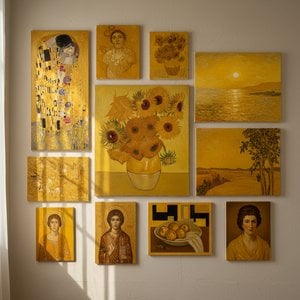
Explore 10 iconic paintings bathed in golden yellow ochre! From Van Gogh's sunflowers to Monet’s haystacks, discover the stories behind these masterpieces. Find museum-quality art reproductions & elevate your home decor on .

Immerse yourself in golden light! Explore 10 famous paintings dominated by 'Chrome Yellow', from Van Gogh’s Sunflowers to Monet's Haystacks. Discover the stories behind these iconic Impressionist & Post-Impressionist masterpieces and find museum-quality art reproductions at WahooArt.com.

Explore the profound world of Franz Marc's Expressionist paintings. Discover his spiritual connection to animals, innovative use of color, and lasting impact on modern art history. Learn more at WahooArt.

Explore 10 defining German Expressionism masterpieces – from Munch's 'The Scream' to Kandinsky’s abstracts. Discover the artists, stories & bold colors behind this powerful art movement. Find museum-quality reproductions at WahooArt.com.
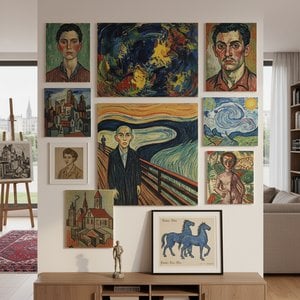
表現主義の心を揺さぶる10選。ムンク、キルヒナーら巨匠の傑作を紐解き、色彩とエモーションの世界へ。WahooArt.comで、時代を超越したアートをあなたの空間に取り入れませんか?高品質な複製絵画やインテリアアイデアが満載。

 プレビュー
プレビュー
 シェアする
シェアする シェアする
シェアする
 詳細を見る
詳細を見る

 ダウンロード
 似ている作品
 X線調査
X線調査 スライドショー
 Stats
Stats 詳細を見る
詳細を見る









 ガラスオプションは、110cm未満のサイズでのみご利用いただけます。


