
迅速な制作と多彩な仕上げオプションを備えた、ミュージアムクオリティのジークレーまたはキャンバスプリント。 ( 手描きの絵画を購入 デジタル画像販売へ切り替え)





























作品のオリジナル比率に合わせた、当店の規定サイズからお選びください。

特定のフレームやスペースに合わせて、ご自身でサイズを指定することも可能です。選択されたサイズが元の画像の比率と一致しない場合、作品をトリミングするか、鏡面反射または単色での塗りつぶしによって画像を拡張いたします。制作を開始する前に、ご確認用のデジタルモックアップをお送りいたします。
画面上のプレビューには、実際のトリミングや拡張は反映されませんのでご注意ください。最終的な構図を正確に確認できるのは、モックアップのみとなります。
カスタムサイズも承っておりますが、元の比率を維持するためには、あらかじめ用意されたリストからサイズを選択することをお勧めいたします。

Grazing Horses I
複製画のサイズ
Franz Marc's "Grazing Horses I," painted in 1910, isn’t merely a depiction of horses; it’s an immersion into the artist’s deeply felt spiritual connection with the natural world. Born in Munich in 1880, Marc was profoundly influenced by his father’s landscape painting and, crucially, by Vincent van Gogh's expressive use of color and emotion. This early exposure laid the groundwork for a career dedicated to capturing not just appearances but the very essence of life—particularly as revealed through the eyes of animals. Marc sought to transcend the limitations of representational art, aiming instead to convey an inner experience, a feeling of unity with nature’s rhythms and mysteries. The painting exemplifies this ambition, moving beyond simple observation towards a powerfully symbolic representation.

“Grazing Horses I” firmly resides within the Post-Impressionist movement, a period characterized by artists’ deliberate departure from strict realism in favor of subjective emotional expression. Marc masterfully employs this approach through his bold color choices and dynamic brushstrokes. The horses are rendered in varying shades of blue—a deliberate symbolic gesture, as Marc often associated blue with masculinity and spirituality – contrasting sharply against the vibrant greens of the pasture. These colors aren’t blended smoothly; instead, they're applied with thick, visible strokes that convey a sense of movement and energy. The artist’s hand is clearly present in each mark, imbuing the painting with a raw, almost tactile quality. This technique, combined with the flattened perspective, creates an immediate and emotionally resonant experience for the viewer.
Beyond its striking colors, “Grazing Horses I” is rich in symbolic meaning. The presence of two sports balls—a seemingly incongruous detail – has been interpreted as representing the encroachment of modern society upon the tranquility of the natural world. They serve as a subtle commentary on the artist’s anxieties about the changing landscape and the loss of connection with nature. Furthermore, Marc's consistent use of color to represent specific qualities—blue for masculinity, yellow for femininity – adds layers of interpretation. The horses themselves, often depicted in isolation or small groups, can be seen as symbols of vulnerability and the fleeting beauty of life. The composition invites contemplation on themes of spirituality, solitude, and the relationship between humanity and the animal kingdom.
Franz Marc’s work, including “Grazing Horses I,” profoundly influenced subsequent generations of artists, particularly within the burgeoning field of Expressionism. His association with the Blaue Reiter group—a circle of artists dedicated to exploring spiritual themes through art—further cemented his legacy as a pioneer of modern art. Today, Marc's paintings continue to inspire and resonate with viewers, offering a glimpse into an artist’s deeply felt connection to nature and his unwavering belief in the power of art to convey profound emotional truths. A reproduction of “Grazing Horses I” from WahooArt.com offers a beautiful opportunity to experience this artistic vision firsthand, bringing Marc's evocative world into your home or studio.

1880 - 1916 , ドイツ
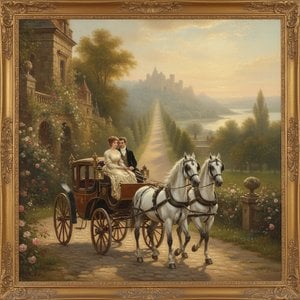
Embark on a visual journey through the romantic world of horse carriage art. Discover the mastery of equestrian oil paintings, from Impressionist textures to classical realism, and learn how to bring timeless elegance into your home with museum-quality reproductions.
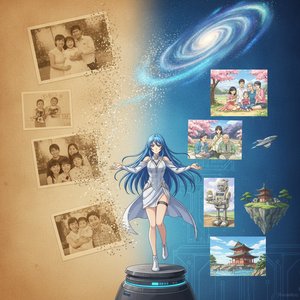
Step into the spotlight with WahooArt's AI-driven transformation. Turn your photos into stunning, hand-painted anime oil masterpieces. Experience the perfect fusion of cutting-edge technology and museum-grade craftsmanship to create a timeless pop-culture legacy for your home.
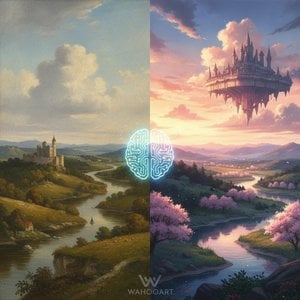
Transform your photos into high-octane action anime masterpieces with WahooArt. Our expert artists blend AI innovation with traditional oil painting to create premium, hand-painted pop culture legacies for your home. Experience museum-quality craftsmanship and a 100% satisfaction guarantee.


 プレビュー
プレビュー
 シェアする
シェアする シェアする
シェアする
 詳細を見る
詳細を見る

 ダウンロード
 似ている作品
 X線調査
X線調査 スライドショー
 統計情報
統計情報
 詳細を見る
詳細を見る









 ガラスオプションは、110cm未満のサイズでのみご利用いただけます。


