
 Oil On CanvasWallArtBaroque
 Early Modern
 111.0 x 198.0 cm
 リヒテンシュタイン美術館
迅速な制作と多彩な仕上げオプションを備えた、ミュージアムクオリティのジークレーまたはキャンバスプリント。 ( 手描きの絵画を購入 デジタル画像販売へ切り替え)





























作品のオリジナル比率に合わせた、当店の規定サイズからお選びください。

特定のフレームやスペースに合わせて、ご自身でサイズを指定することも可能です。選択されたサイズが元の画像の比率と一致しない場合、作品をトリミングするか、鏡面反射または単色での塗りつぶしによって画像を拡張いたします。制作を開始する前に、ご確認用のデジタルモックアップをお送りいたします。
画面上のプレビューには、実際のトリミングや拡張は反映されませんのでご注意ください。最終的な構図を正確に確認できるのは、モックアップのみとなります。
カスタムサイズも承っておりますが、元の比率を維持するためには、あらかじめ用意されたリストからサイズを選択することをお勧めいたします。

The Lioness
複製画のサイズ
In the grand theater of the Flemish Baroque, where drama often erupts in violent clashes of predator and prey, Frans Snyders offers us a rare, breathtaking pause. The Lioness is not merely a study of wildlife; it is an intimate encounter with the quietude that exists even within the most formidable of creatures. As we gaze upon this oil on canvas, we find ourselves transported to a rugged, sun-drenched landscape where time seems to have slowed to the rhythm of a resting breath. The lioness lies draped across the earth, her powerful frame relaxed, her mouth slightly parted in a state of profound repose. This is not the ferocity of the hunt, but the heavy, peaceful slumber of a queen at rest, inviting the viewer into a shared moment of stillness.
The composition masterfully balances the weight of the subject with the airy expanse of its environment. Snyders utilizes a naturalistic backdrop of weathered rocks and parched earth to ground the scene in a tangible reality. Scattered throughout this terrain, small birds and subtle hints of distant wildlife flicker like living punctuation marks against the landscape, adding layers of life and movement to the periphery of our focus. This careful arrangement creates a sense of immense depth, drawing the eye from the textured fur of the lioness into the hazy, atmospheric reaches of the wild, making the painting feel less like a static image and more like a window into a living, breathing ecosystem.
To behold The Lioness is to witness the pinnacle of Snyders’ technical virtuosity. The artist employs a meticulous technique that celebrates the tactile essence of the natural world. One can almost feel the coarse grit of the stones and the warmth of the sun-baked dirt beneath the predator's weight. His brushwork is nothing short of extraordinary; through subtle gradations of light and shadow, he renders the lioness’s coat with such precision that individual strands of fur catch the light, suggesting a soft, golden luster. This interplay of light—the way it grazes the curve of her flank and settles into the shadows of her resting limbs—imbues the work with a sculptural quality that is characteristic of the finest Baroque masters.
The color palette is a sophisticated symphony of earth tones. Deep umbers, warm ochres, and muted greens harmonize to create an atmosphere that feels both ancient and eternal. This restrained use of color ensures that the viewer’s attention remains fixed on the subject's physical presence and the subtle emotional shifts within the scene. For the discerning collector or interior designer, this painting offers a profound sense of organic luxury. It possesses a quiet strength that can anchor a room, providing a sophisticated focal point that speaks of elegance, natural history, and an appreciation for the untamed beauty of our world.
Frans Snyders occupied a prestigious position in the Antwerp art scene, often working alongside legends like Peter Paul Rubens. While he was celebrated for his ability to depict the chaotic abundance of market scenes and the high-stakes drama of hunting parties, The Lioness reveals a more contemplative side of his genius. It serves as a testament to his ability to find the sublime within the biological. In an era where art often sought to demonstrate power through conquest, Snyders captures power through presence.
For those seeking to bring the spirit of the Golden Age into a contemporary space, a high-quality reproduction of this masterpiece offers more than just decoration; it offers a narrative. Whether placed in a stately library, a modern study, or an elegantly appointed living area, The Lioness acts as a bridge between the historical grandeur of the 17th century and the aesthetic sensibilities of today. It is a piece that invites contemplation, sparking conversations about the delicate balance of nature and the enduring allure of the wild.


1579 - 1657 , ベルギー

Step into the drama of the Baroque era. Explore 10 iconic masterpieces, from Caravaggio’s chiaroscuro to Bernini’s grandeur. Discover the stories behind these timeless works and find museum-quality art reproductions for your decor. Explore the full collection on WahooArt.com.

Explore the dramatic brilliance of the Flemish Baroque movement. Discover how masters like Peter Paul Rubens utilized chiaroscuro and dynamic composition to redefine art history through light, shadow, and unparalleled emotion.
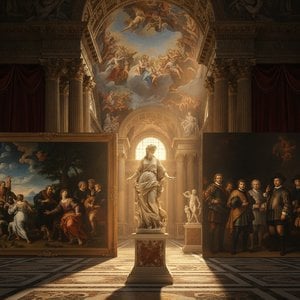
Step into the drama of the Baroque era. Explore 10 iconic masterpieces featuring breathtaking chiaroscuro and legendary artists. Find inspiration for your collection with museum-quality art reproductions at WahooArt.com. Discover all masterpieces on WahooArt.com


 プレビュー
プレビュー
 シェアする
シェアする シェアする
シェアする
 詳細を見る
詳細を見る ガイド
ガイド

 ダウンロード
 似ている作品
 X線調査
X線調査 スライドショー
 統計情報
統計情報 詳細を見る
詳細を見る









 ガラスオプションは、110cm未満のサイズでのみご利用いただけます。


