
迅速な制作と多彩な仕上げオプションを備えた、ミュージアムクオリティのジークレーまたはキャンバスプリント。 ( 手描きの絵画を購入 デジタル画像販売へ切り替え)





























作品のオリジナル比率に合わせた、当店の規定サイズからお選びください。

特定のフレームやスペースに合わせて、ご自身でサイズを指定することも可能です。選択されたサイズが元の画像の比率と一致しない場合、作品をトリミングするか、鏡面反射または単色での塗りつぶしによって画像を拡張いたします。制作を開始する前に、ご確認用のデジタルモックアップをお送りいたします。
画面上のプレビューには、実際のトリミングや拡張は反映されませんのでご注意ください。最終的な構図を正確に確認できるのは、モックアップのみとなります。
カスタムサイズも承っておりますが、元の比率を維持するためには、あらかじめ用意されたリストからサイズを選択することをお勧めいたします。

Still-life
複製画のサイズ
In the soft, amber glow of a bygone era, Frans David Oerder captures a moment of profound stillness that transcends the mere arrangement of fruit. His 1900 masterpiece, Still-life, invites the viewer into a sanctuary of domestic tranquility, where the passage of time seems to pause entirely. The composition is anchored by a heavy, metallic bowl, its gilded rim catching a whisper of light, acting as a vessel for nature's bounty. Scattered around this central focal point are apples and oranges, their skins rendered with such tactile precision that one can almost sense the cool smoothness of the fruit against the rugged, weathered grain of the wooden table. This is not merely a study of objects, but an exploration of light, weight, and the quiet dignity found in the everyday.
The technique employed by Oerder reveals the disciplined hand of a master trained in the prestigious Rotterdam Academy. Through a sophisticated use of chiaroscuro, he breathes life into the shadows, allowing the deep tones of the wooden surface to provide a dramatic stage for the vibrant citrus hues. The artist utilizes a delicate balance of textures—the cold, reflective sheen of the metal bowl contrasting against the organic, matte surfaces of the fruit and the earthy, porous quality of the timber. This interplay of light and shadow creates an extraordinary sense of three-dimensional depth, pulling the observer into the scene and making the arrangement feel as though it occupies a tangible, breathable space within the room.
Beyond its visual splendor, the painting carries the weight of historical and symbolic resonance. Created at the turn of the century, a period of immense transition, this work evokes the enduring traditions of the Dutch Masters, specifically the vanitas themes that celebrate life's fleeting beauty through the depiction of perishable goods. The presence of ripe fruit serves as a poignant reminder of nature's cycles—of growth, peak maturity, and eventual decay. For the discerning collector or interior designer, this piece offers more than just aesthetic appeal; it provides an emotional anchor. Whether placed in a sun-drenched breakfast nook or a sophisticated, moody study, a high-quality reproduction of this work brings a sense of timelessness and classical elegance, transforming any space into a gallery of contemplative beauty.


1867 - 1944 , Netherlands

Embark on a visual journey through history's most opulent masterpieces. Explore the breathtaking beauty of Baroque banquets and fruit still lifes, celebrating themes of abundance and luxury through the lens of timeless classical art expertise.
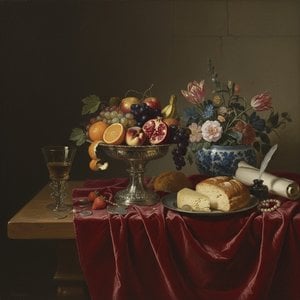
Embark on a sophisticated journey through the history of still life art. From Dutch Golden Age masterpieces to Baroque opulence, explore the profound symbolism and timeless beauty of the world's most exquisite table compositions.

Explore the profound beauty of fruit arrangement masterpieces. From Dutch Golden Age opulence to Baroque chiaroscuro, discover the art history, symbolism, and timeless elegance of classical still life paintings for the discerning collector.

Embark on a sophisticated journey through art history with our exploration of still life masterpieces. Discover the profound symbolism behind classical paintings of drinks and fruit, curated for the true connoisseur seeking timeless elegance and academic depth.
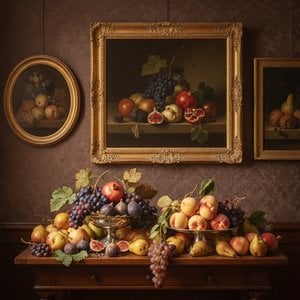
Discover the profound beauty of fruit still life paintings. Explore the rich symbolism, Baroque mastery, and timeless allure of nature's bounty through an art-historical lens, perfect for collectors and enthusiasts of classical fine art.


 プレビュー
プレビュー
 シェアする
シェアする シェアする
シェアする
 詳細を見る
詳細を見る

 ダウンロード
 似ている作品
 X線調査
X線調査 スライドショー
 統計情報
統計情報


 詳細を見る
詳細を見る









 ガラスオプションは、110cm未満のサイズでのみご利用いただけます。


