


スピーディーな制作と多彩な仕上げオプションが魅力の、ミュージアムクオリティなジークレー・キャンバスプリント。 ( 手描き複製画を注文する デジタル画像販売へ切り替え)





























作品のオリジナル比率に合わせた、当店の規定サイズからお選びください。

額縁や壁のスペースに合わせて、ご希望の幅と高さを入力してください。プリントはカットすることは可能ですが、元の画像より大きくすることはできないため、異なる比率のサイズを選択された場合は、画像の一部が欠けることになります。印刷を開始する前に、内容を確認していただくためのデジタルモックアップをお送りいたします。このページに表示されている画像は、実際のカット後の状態を示すものではありません。実際の仕上がりはモックアップにてご確認ください。
Lady with Fan
複製画サイズ一覧
Frank Duveneck's "Lady with Fan," painted in 1873, is more than just a portrait; it’s a carefully constructed tableau of melancholy and introspection. This intimate scene, rendered in the artist’s signature Impressionistic style, captures a moment suspended between awareness and withdrawal – a young man lost in thought, partially shielded by the delicate grace of a fan. The painting immediately draws the viewer into its somber atmosphere, achieved through a muted color palette dominated by deep blues, browns, and greys, punctuated by subtle highlights that suggest an unseen light source. Duveneck masterfully employs loose brushstrokes, creating a textured surface that invites close examination, revealing the physicality of his technique – thick impastoed layers of oil paint build up the form, lending a tactile quality to the figure’s clothing and face.
The composition itself is subtly arresting. The subject, positioned slightly off-center, avoids direct confrontation, fostering a sense of quiet observation rather than dramatic engagement. His gaze is averted, lost in contemplation, while the fan, held delicately in his hand, becomes a potent symbol – perhaps representing fleeting beauty, a momentary distraction from deeper emotions, or even a veiled attempt to conceal vulnerability. The details are meticulously observed: the subtle lines etched around the eyes, the slight downturn of the mouth, all contribute to an expression of restrained sadness. Duveneck’s skill lies not in idealized representation but in capturing the nuances of human feeling, revealing a depth of emotion beneath a surface of composure.
Frank Duveneck's life was marked by both artistic triumph and profound personal tragedy. Born in Covington, Kentucky, in 1848, he experienced early loss – the death of his father at a young age profoundly shaping his outlook. This formative experience, coupled with his stepfather’s influence and his own burgeoning artistic talent, instilled within him a resilience and sensitivity that would permeate his work. Duveneck's training initially involved church decoration, providing him with invaluable technical skills, but he quickly gravitated towards portraiture, developing a distinctive style influenced by Frans Hals and the Munich School – characterized by its directness, emotional intensity, and vibrant use of color.
The 1870s witnessed a shift in American art away from the rigid conventions of the Hudson River School, and Duveneck was at the forefront of this movement. He embraced Impressionistic techniques, prioritizing capturing fleeting moments of light and atmosphere over meticulous detail. His work resonated with a growing sense of individualism and emotional honesty, reflecting the changing social landscape of late 19th-century America. His decision to move to Europe, particularly Munich, allowed him to refine his technique and connect with other progressive artists, further solidifying his place within this evolving artistic dialogue.
“Lady with Fan” is a testament to Duveneck’s mastery of oil paint. The painting's rich texture is achieved through the application of thick, layered impasto – a technique that not only adds visual interest but also emphasizes the physicality of the paint itself. The artist skillfully manipulated light and shadow to create a sense of depth and volume, using subtle gradations of tone to define the figure’s form and clothing. The loose brushstrokes, characteristic of Impressionism, contribute to the painting's atmospheric quality, conveying a sense of movement and immediacy.
Duveneck’s choice of materials – traditional oil paints on canvas – speaks to his commitment to craftsmanship and his desire to create works that would endure over time. The pigments he employed were carefully selected to achieve the desired color palette and luminosity, while the canvas provided a stable surface for his expressive brushwork. The layering technique allows for adjustments and corrections as the painting progressed, demonstrating Duveneck’s deliberate and considered approach to his art.
Beyond its technical merits, “Lady with Fan” is rich in symbolic meaning. The fan itself is a key element, suggesting both elegance and a potential for distraction – a delicate barrier between the subject and the outside world. The muted color palette reinforces the painting’s melancholic mood, while the averted gaze invites contemplation about the inner life of the figure. It's a portrait that doesn’t offer easy answers but instead prompts viewers to engage with their own emotions and interpretations.
Ultimately, “Lady with Fan” is a poignant meditation on solitude, introspection, and the complexities of human emotion. Duveneck’s ability to capture such subtle nuances within a single image speaks volumes about his artistic talent and his profound understanding of the human condition. A reproduction of this evocative work offers a glimpse into a bygone era, inviting us to pause and reflect on the beauty and melancholy inherent in quiet moments.
「Lady with Fan」には、専用の閲覧統計ページがあります。このページでは、その作品およびアーティストの他の作品の月間訪問者数を、国別・言語別の内訳とともにグラフで表示しています。
「Lady with Fan」は、1873年にOil On Canvas技法を用いて制作されました。技法と制作年は、原画がどのような手法で、いつ描かれたかを示すものです。
フランク・デュベネック作「Lady with Fan」はRealismに属しています。このムーブメントは、本作の様式的な背景を形作るものです。

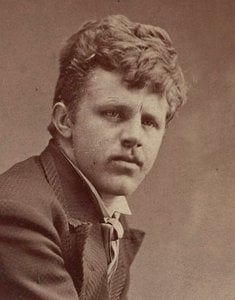
1848 - 1919 , アメリカ合衆国

Explore the ethereal beauty of Impressionist landscapes. Discover how masters like Monet captured fleeting light through color and texture, and learn to curate these timeless, luminous masterpieces for your home collection.
 設置イメージを表示
 シェアする
シェアする シェアする
シェアする
 詳細を見る
詳細を見る ガイドを表示

 ダウンロード
 似ている作品
 X線調査
X線調査 スライドショーを表示
 Q&A
Q&A
 統計情報
統計情報


 詳細を表示
詳細を表示









 ガラスオプションは、110cm未満のサイズでのみご利用いただけます。


