
オンラインプレビューをはるかに凌ぐ、高解像度で鮮明なデジタル画像をご購入いただけます。
各ファイルは、社内の専門家が高度なツールと熟練した手作業によるレタッチを駆使し、細心の注意を払って仕上げています。すべての画像において、卓越した鮮明度、正確な色彩再現性、そして繊細なディテールをお約束いたします。
最終ファイルは、プロフェッショナルな編集・印刷環境ですぐにご利用いただけるよう最適化された状態で、72時間以内にメールにてお届けいたします。これは、一流のデザインスタジオ、出版社、ギャラリーから信頼されているものと同等の品質です。
個人での鑑賞、印刷、クリエイティブなプロジェクトにご利用いただける高解像度ファイルをダウンロードできます。 ( プリント版に切り替え 手描きの複製画を注文する)
WahooArt.com を選ぶことは、単に画像を手に入れることではありません。プロの手によって精密に仕上げられ、満足保証が付いた高品質なデジタルアートワークを受け取ることを意味します。ご注文いただいた際に自動的に付随する内容は、以下の通りです:

ご注文から72時間以内に、高解像度のデジタル画像ファイルをメールでお送りいたします。お手元に届き次第、すぐにご利用いただけます。

お客様の作品は、高度なAI技術と専門家による手作業を組み合わせてプロフェッショナルに最適化されており、細部のディテール、鮮明さ、そして正確な色再現性を最大限に引き出しています。

ファイルを誤って削除したり、紛失してしまったりしましたか?ご安心ください。いつでも無料で再送いたします。

関税や手数料、配送料を気にすることなく、お気に入りのアートワークをすぐにお楽しみいただけます。デジタルダウンロードは常に免税です。

プロ仕様のツールとカラーマネジメント技術を用いることで、デジタル画像が元の色を最大限に忠実に再現することを保証いたします。

ご購入いただいたデジタル画像にご満足いただけない場合は、100日以内であれば、理由を問わず修正または100%の返金対応をさせていただきます。

ご満足いただけない場合は、デジタルファイルを受け取ってから100日以内であれば、理由を問わず全額返金いたします。

3枚購入で10%OFF、5枚購入で15%OFF、10枚以上のご購入で20%OFF。クリエイティブなプロジェクトやギャラリー、エージェンシーに最適です。

In the vast, textured landscapes of contemporary abstraction, few names resonate with as much profound authority as Frank Bowling. Born in 1934 in the riverside town of Bartica, British Guiana, Bowling’s journey is one of remarkable movement—not just across continents, but through the very layers of paint and medium itself. His arrival in Britain as a young man marked the beginning of a career that would fundamentally reshape the trajectory of post-war British art. As a pioneer of color field painting and lyrical abstraction, Bowling did not merely paint surfaces; he constructed worlds that evoke the geological, the cartographic, and the deeply psychological.
Bowling’s formative years in the United Kingdom saw him immersed in the rigorous creative environments of the Regent Street Polytechnic and the Chelsea School of Art. By 1959, his talent earned him a prestigious scholarship to the Royal College of Art, placing him at the heart of a revolutionary generation. Alongside luminaries such as David Hockney and R.B. Kitaj, Bowling was part of a cohort that challenged the boundaries of British experimentalism. It was during this period that the echoes of American Abstract Expressionism—the monumental legacies of Mark Rothko and Barnative Newman—began to resonate within his work, inspiring a fascination with vast, immersive canvases that prioritize emotional resonance over representational clarity.
The mid-1960s heralded the emergence of Bowling’s most iconic contribution to the art world: the 'Map' series. These groundbreaking works eschewed traditional imagery in favor of a complex, fluid language of color and texture. In these paintings, the artist utilized the technique of pouring diluted paint onto canvas, allowing pigments to bleed, stain, and coalesce into shapes that suggest continents, oceans, and shifting borders. This approach transformed the canvas into a living topography, where the boundaries between land and sea, or self and other, become beautifully blurred.
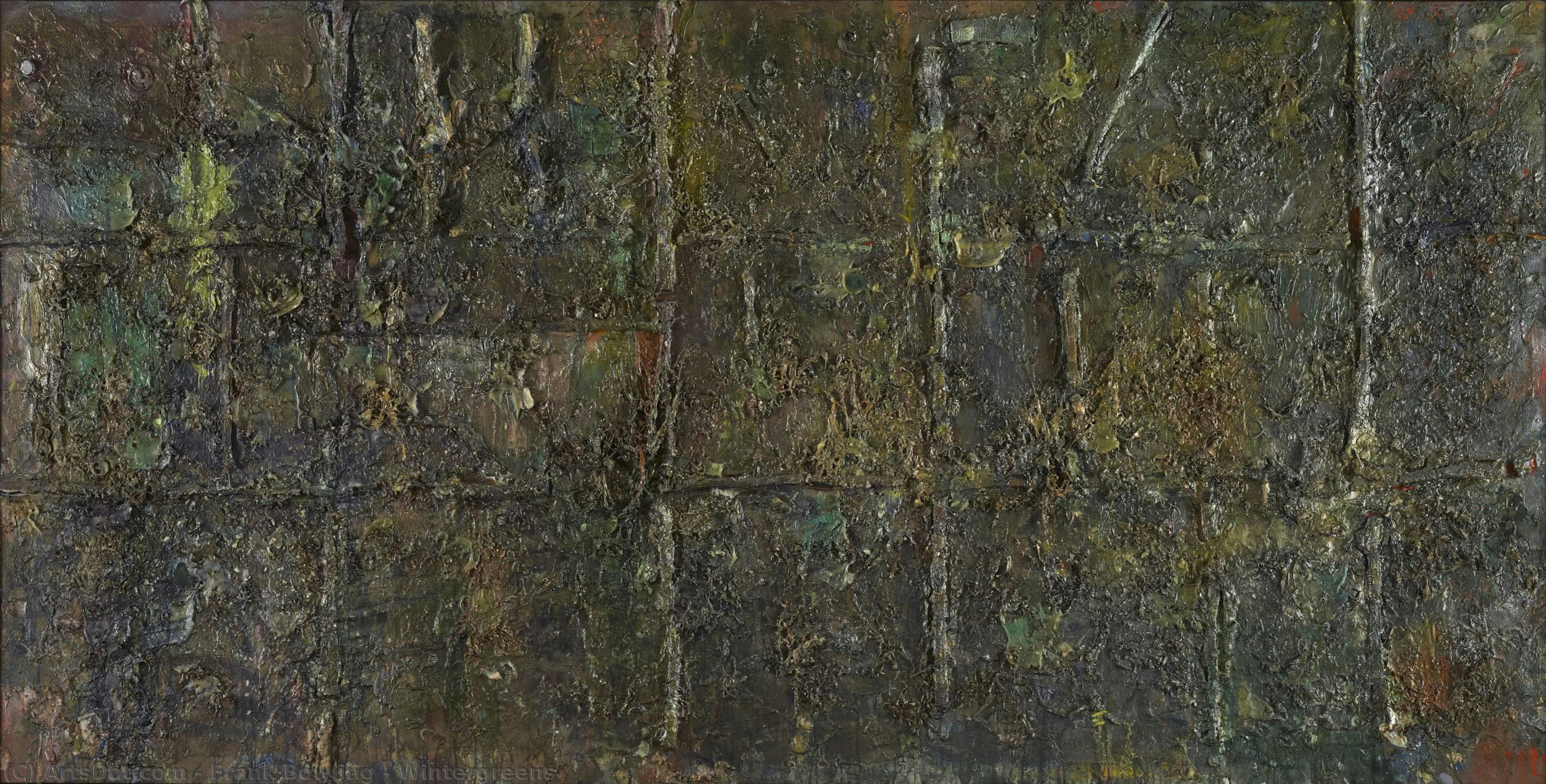
What truly distinguishes Bowling’s technique is his daring exploration of materiality. He famously incorporated industrial substances such as asphalt and resin into his compositions, creating heavy, tactile surfaces that possess a physical weight and geological presence. This use of non-traditional media was more than a stylistic choice; it was a deliberate gesture against the polished aesthetic conventions of his era. Through these rugged textures, Bowling explored themes of globalization, cultural displacement, and the anxieties of a post-colonial world, making his work as much about political identity as it is about formal beauty.
The historical significance of Frank Bowling extends far beyond the aesthetic realm. As one of the most distinguished Black artists to emerge from the post-war British art school system, his success represents a pivotal moment in the diversification of the British canon. His career has been defined by a series of monumental achievements that have cemented his status as a modern master:
Today, Frank Bowling remains a singular figure whose work continues to breathe and evolve. Whether through the vibrant energy of pieces like 'Who’s Afraid of Barney Newman' or the atmospheric depth of 'Wintergreens', he invites the viewer into a space where color is not just seen, but felt. His legacy is etched into the very fabric of modern art—a testament to the power of abstraction to navigate the complexities of the human experience.

1934 - , Guyana

 設置イメージを確認
 送る
送る シェア
シェア
 詳細情報
詳細情報 ガイドを表示

 画像をダウンロード
 似ている作品
 X線調査
X線調査 スライドショー
 統計情報
統計情報

 続きを読む
続きを読む


