Oil On CanvasWallArtRococo
 1723
1723 184.0 x 151.0 cm
 ウォールスコレクション
オンラインプレビューをはるかに凌ぐ、高解像度で鮮明なデジタル画像をご購入いただけます。
各ファイルは、社内の専門家が高度なツールと熟練した手作業によるレタッチを用いて、細心の注意を払って準備されています。すべての画像において、卓越した鮮明度、正確な色彩再現性、そして繊細なディテールを保証いたします。
最終ファイルは、プロフェッショナルな編集・印刷環境ですぐにご利用いただけるよう最適化された状態で、72時間以内にメールにてお届けいたします。これは、一流のデザインスタジオ、出版社、ギャラリーから信頼されているものと同等の品質です。
WahooArt.com を選ぶことは、単に画像を手に入れることではありません。それは、プロの手によって精密に仕上げられ、満足保証が付いた高品質なデジタルアートワークを受け取ることを意味します。ご注文いただいた際に自動的に付随する内容は、以下の通りです:

ご注文から72時間以内に、高解像度のデジタル画像ファイルがメールでお手元に届きます。すぐにそのままご利用いただけます。

お客様の作品は、高度なAIツールと専門家による手作業の編集を組み合わせてプロフェッショナルに最適化されており、細部のディテール、鮮明さ、そして正確な色再現性を最大限に引き出しています。

ファイルを誤って削除したり、紛失してしまったりしましたか?ご安心ください。いつでも無料で再送いたします。

関税や手数料、配送料を気にすることなく、お気に入りのアートワークをすぐにお楽しみいただけます。デジタルダウンロードは常に免税です。

プロ仕様のツールとカラーマネジメント技術を用いることで、デジタル画像が元の色を最大限に忠実に再現することを保証いたします。

ご購入いただいたデジタル画像にご満足いただけない場合は、100日以内であれば、修正または100%の返金(理由を問う必要はありません)をさせていただきます。

ご満足いただけない場合は、デジタルファイルを受け取ってから100日以内であれば、理由を問わず全額返金いたします。

3枚購入で10%OFF - 5枚購入で15%OFF - 10枚以上購入で20%OFF。クリエイティブなプロジェクト、ギャラリー、エージェンシーに最適です。
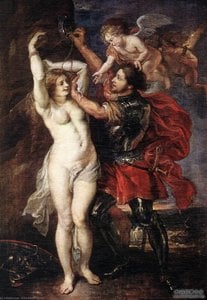
François Lemoyne's “Perseus and Andromeda,” painted in 1723, isn’t merely a depiction of a classical myth; it’s a vibrant, dynamic tableau brimming with the energy and theatricality characteristic of the Rococo period. Housed within the Wallace Collection in London, this oil on canvas offers a captivating glimpse into the artistic sensibilities of a master craftsman – Lemoyne himself – who sought to elevate mythological narratives beyond simple illustration, imbuing them with dramatic intensity and emotional resonance. The painting immediately draws the viewer in with its scale—184 x 151 cm—and its masterful composition, which expertly balances action, light, and shadow to create a scene of both perilous rescue and triumphant victory.
At first glance, the scene unfolds with arresting clarity. Perseus, positioned powerfully on the left, is rendered in robust detail: his muscular form clad in flowing robes, a shield held firmly in his right hand and a gleaming sword grasped by his left. His expression is one of focused determination, conveying the weight of his heroic task – slaying the monstrous Cetus that threatened to engulf Andromeda. Opposite him, Andromeda stands poised on the rocky coastline, her posture suggesting both vulnerability and nascent gratitude as she awaits rescue. The sea monster itself—a terrifying amalgamation of scales, claws, and serpentine form—looms large in the lower left corner, a potent symbol of chaos and impending doom. The background, a dramatic expanse of clear blue sky beneath a rugged coastline, provides a vital stage for this epic confrontation.
Lemoyne’s style is undeniably Rococo, yet it's infused with the grandeur and theatricality often associated with Baroque art. The vibrant color palette—rich reds, oranges, and browns contrasted against cool blues and greens—creates a sense of opulent drama. Notice how Lemoyne skillfully employs chiaroscuro – the dramatic interplay of light and shadow – to sculpt the figures and landscape, adding depth and volume to the scene. The brushwork is remarkably smooth, indicative of a meticulous approach that prioritizes detail and polished finish. This technique allows for an almost photographic realism within the context of a stylized narrative.
The composition itself is meticulously crafted, utilizing a diagonal thrust from the monstrous Cetus to Perseus’s descent, guiding the viewer's eye through the scene with compelling momentum. Linear perspective subtly recedes into the distance, anchoring the figures within a believable landscape while simultaneously creating an illusion of depth. The artist’s attention to detail is particularly evident in the rendering of the rocky coastline and the intricate scales of the sea monster – elements that contribute significantly to the painting's overall impact.
Beyond its aesthetic merits, “Perseus and Andromeda” is rich in symbolic meaning. The story itself speaks volumes about themes of heroism, courage, and divine intervention. Perseus’s act of slaying the monster represents a triumph over adversity, while his rescue of Andromeda embodies the concept of salvation. The sea monster, Cetus, serves as a potent symbol of danger, chaos, and the forces that threaten human existence. The painting subtly suggests the role of fate and divine favor in shaping human destiny – Perseus’s success is not solely due to his own strength but also to the intervention of the gods.
Furthermore, Andromeda's pose—a mixture of vulnerability and acceptance—evokes a powerful emotional response. She represents not only a damsel in distress but also a symbol of resilience and hope. The painting’s enduring appeal lies in its ability to resonate with universal themes of courage, sacrifice, and the triumph of good over evil – themes that continue to captivate audiences centuries after its creation.


1688 - 1737 , フランス


 プレビュー
プレビュー
 プリントを購入
 シェアする
シェアする シェアする
シェアする
 詳細を見る
詳細を見る

 ダウンロード
 似ている作品
 X線調査
X線調査 スライドショー
 詳細を見る
詳細を見る