
オンラインプレビューをはるかに凌ぐ、高解像度で鮮明なデジタル画像をご購入いただけます。
各ファイルは、社内の専門家が高度なツールと熟練した手作業によるレタッチを用いて、細心の注意を払って準備されています。すべての画像において、卓越した鮮明度、正確な色彩再現性、そして繊細なディテールを保証いたします。
最終ファイルは、プロフェッショナルな編集・印刷環境ですぐにご利用いただけるよう最適化された状態で、72時間以内にメールにてお届けいたします。これは、一流のデザインスタジオ、出版社、ギャラリーから信頼されているものと同等の品質です。
個人での鑑賞、印刷、クリエイティブなプロジェクト用に、高解像度ファイルをダウンロードできます。 ( プリント版に切り替え 手描きの絵画を購入)
WahooArt.com を選ぶことは、単に画像を手に入れることではありません。それは、プロの手によって精密に仕上げられ、満足保証が付いた高品質なデジタルアートワークを受け取ることを意味します。ご注文いただいた際に自動的に付随する内容は、以下の通りです:

ご注文から72時間以内に、高解像度のデジタル画像ファイルがメールでお手元に届きます。すぐにそのままご利用いただけます。

お客様の作品は、高度なAIツールと専門家による手作業の編集を組み合わせてプロフェッショナルに最適化されており、細部のディテール、鮮明さ、そして正確な色再現性を最大限に引き出しています。

ファイルを誤って削除したり、紛失してしまったりしましたか?ご安心ください。いつでも無料で再送いたします。

関税や手数料、配送料を気にすることなく、お気に入りのアートワークをすぐにお楽しみいただけます。デジタルダウンロードは常に免税です。

プロ仕様のツールとカラーマネジメント技術を用いることで、デジタル画像が元の色を最大限に忠実に再現することを保証いたします。

ご購入いただいたデジタル画像にご満足いただけない場合は、100日以内であれば、理由を問わず修正または100%の返金対応をさせていただきます。

ご満足いただけない場合は、デジタルファイルを受け取ってから100日以内であれば、理由を問わず全額返金いたします。

3枚購入で10%OFF - 5枚購入で15%OFF - 10枚以上購入で20%OFF。クリエイティブなプロジェクト、ギャラリー、エージェンシーに最適です。

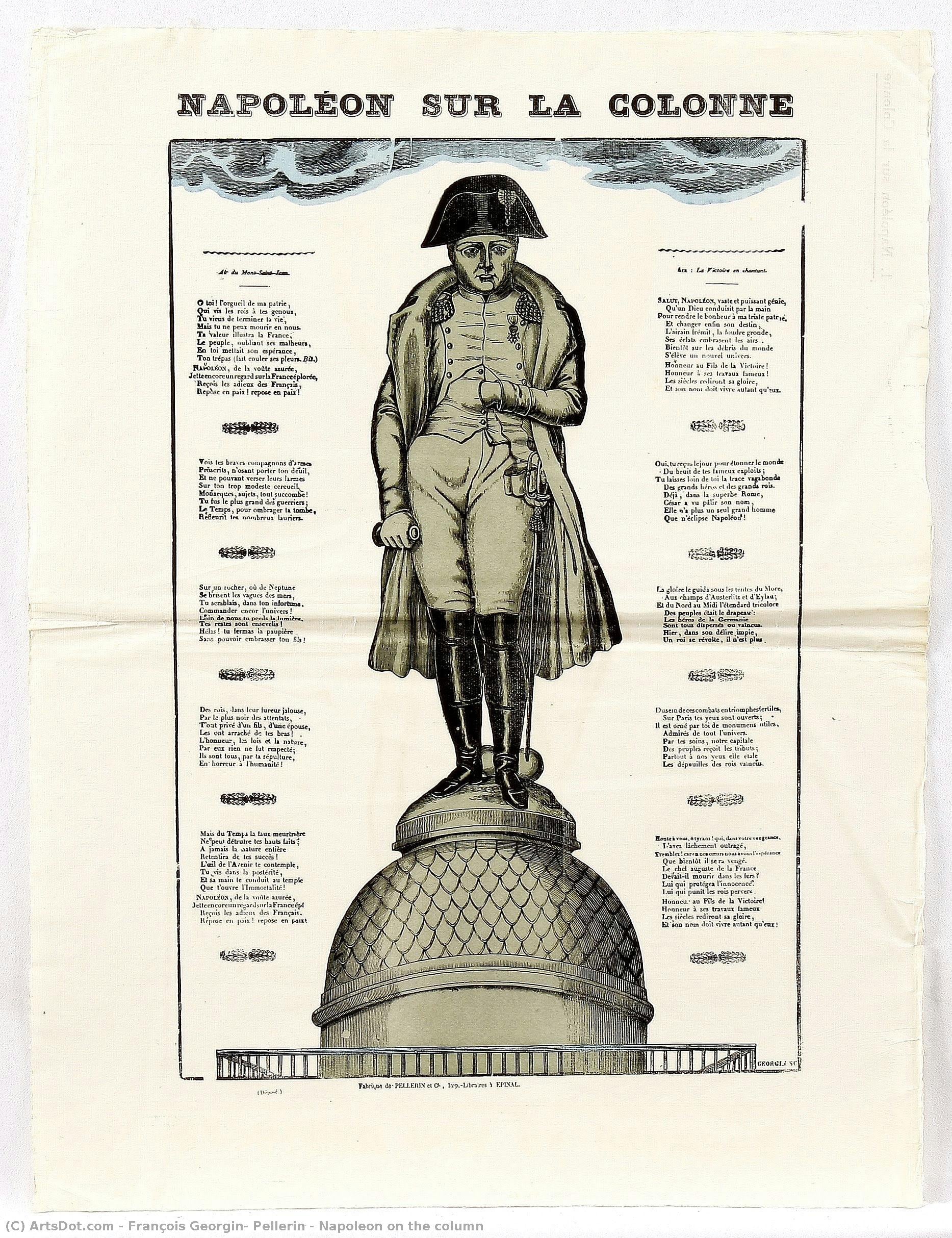
In the heart of nineteenth-century France, a period defined by the sweeping shadows of empire and the romantic fervor of revolution, the name François Georgin emerged as a vital chronicler of history. Born in 1801 in Épinay-sur-Seine, Georgin did not merely observe the tumultuous era of Napoleon Bonaparte; he translated its grandeur, its violence, and its triumphs into a visual language accessible to the masses. His journey into the soul of French printmaking began in the storied town of Epinal, a place where the air was thick with the scent of ink and the rhythmic tapping of woodcut artisans. Under the tutelage of Jean-Charles Pellerin, a master manufacturer of images, Georgin mastered the delicate alchemy of transforming simple woodblocks into vibrant, narrative windows onto the world.
The apprenticeship within Pellerin’s workshop was far more than a technical education; it was an immersion into a tradition of storytelling that blended folk art with historical documentation. Georgin learned to manipulate the medium of woodcut and linoleum, discovering how bold lines could command attention and how a carefully applied palette of crimson, gold, and black could evoke the heat of battle or the solemnity of a monument. This technical foundation allowed him to participate in the creation of the famous Epinal prints, which became a cultural phenomenon across Europe. His work was characterized by an almost theatrical intensity, where every carved groove served to heighten the drama of the Napoleonic epoch.
Georgin’s oeuvre is inextricably linked to the legend of Napoleon. He possessed a unique ability to capture the epic scale of military campaigns while maintaining a poignant focus on the human element within the chaos. His prints, such as the evocative Napoleon Injured at Regensburg, do not merely record historical facts; they breathe life into the vulnerability and heroism of the Emperor. Through his hands, the triumphs at Austerlitz, Marengo, and Jena were rendered with a vividness that stirred national pride and shaped the collective memory of a generation. His style was one of striking contrasts, utilizing deep blacks to ground the composition and brilliant primary colors to illuminate the movement of cavalry and the glint of bayonets.
Beyond the battlefield, Georgin’s artistry touched upon the spiritual and the allegorical, demonstrating a versatility that transcended mere reportage. His ability to navigate between the gritty reality of war and the ethereal beauty of religious or symbolic subjects—such as his depictions of Notre Dame or complex allegorical maps—reveals an artist deeply attuned to the cultural zeitgeist of the Romantic era. This breadth of subject matter ensured that his prints were not only collected by those interested in military history but also cherished by a public enamored with the era's deep emotional and spiritual explorations.
The significance of François Georgin lies in his role as a bridge between high art and popular culture. While the fine arts of the academy often catered to the elite, Georgin’s work through the Pellerin tradition brought the majesty of history into the homes of the common people. He was a master of the "popular print," a medium that functioned as both news and art, providing a visual heartbeat for a nation navigating the complexities of the post-Napoleonic world.
Today, the works of Georgin remain vital pieces of historical evidence and artistic achievement. His contributions can be seen in several key areas:
As we look back upon his life, from the workshops of Epinal to the enduring legacy of his prints, François Georgin stands as a testament to the power of the image to capture the fleeting spirit of an age. His work remains a vibrant, colorful window into a time when history was carved in wood and painted in the bold colors of glory and loss.

1801 - 1863 , France

 プレビュー
プレビュー
 シェアする
シェアする シェアする
シェアする
 詳細を見る
詳細を見る ガイド
ガイド

 ダウンロード
 似ている作品
 X線調査
X線調査 スライドショー
 統計情報
統計情報
 詳細を見る
詳細を見る


